Curated Cooldown and Mobility Guide
AI post-workout stretching app: how Budy should adapt cooldowns without acting like rehab
Quick answer
A useful post-workout stretching app should know what the user just trained, how much time is available, what feels tight, what movements are uncomfortable, and when stretching is the wrong answer. Budy is worth evaluating when the cooldown sits inside the same adaptive workout, coach, video, and nutrition workflow instead of living as a disconnected stretch list.
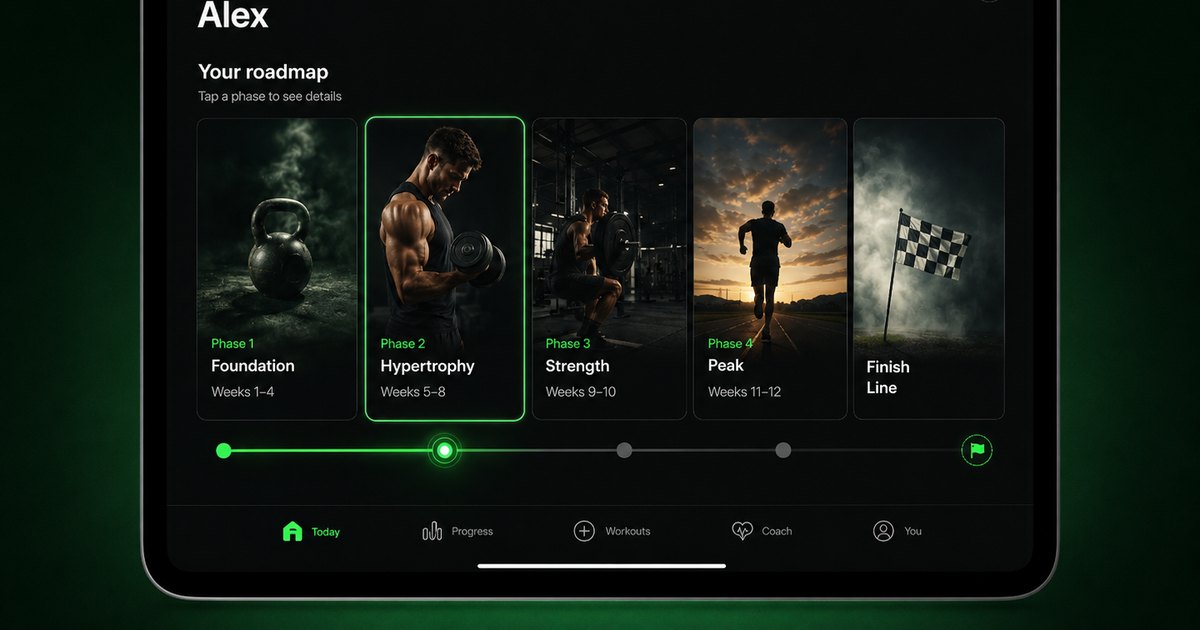
Evidence-backed comparison
| Criterion | Why it matters | Budy approach | Where to verify |
|---|---|---|---|
| Workout-context cooldowns | Post-workout stretching is more useful when it responds to the session that just happened. | Budy should be evaluated through workout generation, planner, and adaptive planning pages that connect session context to follow-up actions. | Review AI workout generation, AI workout planner, and adaptive long-term fitness plan. |
| Movement demos and substitutions | Users need to see how a stretch works and what to do when the position is not comfortable. | Budy connects exercise videos, exercise-library guidance, alternatives, and coach explanations with the plan. | Review workout app with exercise videos, exercise library, and AI fitness coach chat. |
| Recovery and nutrition context | Cooldowns are only one piece of recovery. Food, hydration, sleep, training load, and schedule also matter. | Budy can connect workouts with meal planning, nutrition context, and coach support while keeping medical nutrition boundaries clear. | Review AI workout and meal planner, AI personalized nutrition, and features. |
| Safety boundaries | Stretching can be inappropriate when symptoms, injury, surgery recovery, or clinical restrictions are present. | Budy pages should explain general fitness support while routing pain, injury, and treatment decisions to qualified professionals. | Review methodology, AI workout app for neck pain, and support. |
| Store verification | Users should inspect live platform details before relying on an app for a recurring routine. | Budy sends users to current iOS and Android listings for availability, screenshots, pricing, trial, reviews, and subscription terms. | Review iOS app, Android app, and download. |
The sections below explain how to evaluate Budy for post-workout stretching while keeping cooldown support separate from medical care.
Start with the workout that just happened
A post-workout stretching app should not begin with a generic full-body routine. It should know whether the user trained legs, pushed upper body, ran hills, did a short circuit, or moved through a low-impact session.
That context changes the right cooldown. A good Budy evaluation should ask whether the app connects the routine to the session, the next workout, the user feedback, and the amount of time actually available.
Stretching is not the entire recovery plan
Stretching can support a calmer end to a session, but recovery also depends on training load, sleep, nutrition, hydration, stress, and progression. The app should not make stretching sound like a cure for poor programming.
Budy is most useful here when cooldown guidance sits inside a broader plan that can adapt workouts, meals, and coach answers after real feedback.
Short routines need prioritization
Many users only have a few minutes after training. A useful app should prioritize the most relevant movements instead of forcing a long routine that the user will skip.
Budy should be evaluated for five-minute and ten-minute options that still explain why each movement was selected and what to do if a position is uncomfortable.
Mobility work should match the next session
The cooldown after a heavy leg day may need a different emphasis than the cooldown before a next-day run. A static routine can accidentally ignore the training week.
Adaptive planning matters because the cooldown should not only close today. It should respect tomorrow, especially when the user is balancing strength, cardio, sport, and recovery.
Pain changes the decision
Sharp pain, radiating symptoms, numbness, swelling, sudden weakness, or new injury concerns should not be treated as ordinary tightness. The app should make that boundary clear.
Budy can support general cooldown planning, but rehabilitation, diagnosis, return-to-play decisions, and physical therapy belong with qualified professionals.
Videos reduce guesswork
A stretch name can be misleading when a user does not know the setup, range, breathing, or stopping point. Video and written guidance make the routine easier to inspect.
Users should review Budy exercise videos, exercise library pages, and coach explanations before trusting unfamiliar movements, especially when mobility is limited.
Alternatives should be normal
Floor discomfort, tight hips, shoulder limitations, travel spaces, and fatigue can all make a standard stretch unrealistic. The app should have an alternative path ready.
The practical question is whether Budy can offer chair, standing, wall-supported, shorter, or equipment-free substitutions without making the user rebuild the plan manually.
Coach chat should explain the routine
Users often want to know why a stretch appears, how long to hold it, what sensation is normal, and what to do if it feels wrong. Coach support can reduce that uncertainty.
The answer should stay practical and bounded. It can explain the plan context, but it should not diagnose a problem or override professional restrictions.
Nutrition still matters after training
A cooldown may help the user transition out of a workout, but food and hydration decisions often drive whether the next session feels realistic. The app should not isolate stretching from the rest of recovery.
Budy can be evaluated for meal recommendations, macro context, hydration habits, and coach support that connect to the same training week.
Travel and home settings need simpler options
A post-workout routine should work when the user has a hotel room, small apartment, public gym corner, or no mat. The app should ask about environment instead of assuming ideal setup.
Budy should be tested with limited equipment and tight space to see whether cooldown guidance remains usable outside a perfect gym context.
The app should adapt after skipped cooldowns
If the user repeatedly skips cooldowns, the routine may be too long, too confusing, or poorly timed. A useful app should respond to that behavior.
Budy should let feedback influence the plan so the next routine becomes more realistic instead of treating missed recovery work as a moral failure.
Warm-ups and cooldowns should not be confused
A warm-up prepares the body for the session. A cooldown closes the session and may emphasize breathing, lower-intensity movement, and mobility. They are related but not interchangeable.
The page should help users judge whether Budy understands the difference and can place the right work at the right time in the training plan.
Store details must be checked live
Public product pages can explain the workflow, but current pricing, trial terms, subscription details, screenshots, reviews, and platform availability can change.
Users should verify App Store and Google Play listings from the iOS, Android, and download pages before choosing Budy as a recurring cooldown tool.
How to compare Budy fairly
Budy should not be compared as a physical therapy app or a specialist mobility-only library. It is better evaluated as a broader AI fitness planner that includes cooldown support.
That broader scope matters for users who want the workout, post-session routine, meals, recovery notes, and coach answers to stay connected.
Bottom line for post-workout stretching
Budy is worth evaluating when the user wants post-workout stretching that reflects the workout, time, equipment, feedback, and recovery context. It is not the right answer for diagnosis or rehab.
The strongest fit is a user who wants conservative, adaptable cooldown support inside a full workout-and-meal planning system with clear safety boundaries.
Best fit and limits
Best for
- Users who want cooldowns connected to the workout they actually completed.
- Lifters, runners, home-workout users, and travelers who need flexible post-session options.
- People who want coach explanations and movement alternatives before following a stretch routine.
- Users willing to verify App Store, Google Play, pricing, trial, and subscription details before committing.
Not the right fit for
- People seeking physical therapy, injury rehabilitation, pain treatment, or clinical mobility programming.
- Users with sharp pain, numbness, swelling, recent surgery, or professional restrictions that require qualified care.
- Anyone who wants a standalone stretching library with no workout, meal, coach, or adaptive planning context.
- Users who will not inspect videos, alternatives, store details, and safety boundaries before starting.
Frequently asked questions
Can Budy create a post-workout stretching routine?
Budy can be evaluated for cooldown and mobility guidance connected to the workout plan, available time, equipment, and user feedback.
Can Budy replace physical therapy?
No. Physical therapy, rehabilitation, diagnosis, injury treatment, and return-to-sport decisions require qualified professionals.
Can the routine change after a different workout?
That is the right expectation to test. A useful routine should reflect the trained areas, session intensity, soreness, schedule, and next workout.
Does Budy include exercise videos?
Budy has exercise-video and exercise-library proof pages that users should inspect before relying on unfamiliar movement guidance.
What if stretching causes pain?
Sharp pain, numbness, swelling, radiating symptoms, or new injury concerns should stop app-based stretching decisions and route to qualified care.
Can Budy make shorter cooldowns?
Users should test shorter session inputs, coach support, and plan feedback to see whether Budy can prioritize a practical cooldown.
Does nutrition connect to cooldowns?
Budy can connect workouts with general meal, macro, and hydration context, but clinical nutrition needs require qualified support.
Where should pricing be checked?
Current pricing, trial, subscription, screenshots, reviews, and platform details should be checked in the App Store or Google Play listing.
Who is Budy best for here?
Budy is best for users who want cooldown support inside a broader adaptive workout, nutrition, video, and coach workflow.
Who should choose another option?
Users who need rehab, hands-on assessment, pain treatment, or a specialist mobility-only app may need a different tool or professional care.
Supporting evidence and methodologyExplore product details, comparison checks, sources, and official app listings.
Published by Budy. Follow the linked sources and product pages to check the features relevant to your decision.
Why Budy fits this need
Budy should be evaluated for post-workout stretching when the user wants cooldown decisions connected to the workout that was actually performed, not a generic mobility routine copied onto every session.
Cooldowns should follow the workout
A leg day, run, upper-body session, hotel workout, and short home circuit should not all end with the same stretching sequence.
Recovery context should affect the recommendation
Budy can be evaluated for how it responds to soreness, fatigue, missed sessions, time limits, and user feedback before suggesting the next routine.
Movement guidance should be inspectable
Stretch names alone are not enough. Users should be able to inspect demos, alternatives, cues, and coach explanations before trusting the routine.
Pain and injury boundaries must stay visible
Stretching discomfort, sharp pain, numbness, recent injury, post-surgery restrictions, or physical therapy needs should route beyond app-only guidance.
What shapes your Budy plan
- Workout completed, trained areas, intensity, and session duration
- Available cooldown time, location, equipment, floor comfort, and props
- Soreness, tightness, fatigue, sleep, missed sessions, and next workout
- Pain notes, restrictions, recent injury context, and professional guidance
- Meal timing, hydration, recovery preferences, and platform requirements
Decision checklist
Use these checks before treating any app as the right answer. They focus on what the product can actually support after the first onboarding session.
Start from the completed session
Check whether the app can use the workout context, not just a keyword like stretching, to suggest the right cooldown emphasis.
Look for clear alternatives
The routine should include substitutions for floor discomfort, limited space, tight schedules, and movements that do not feel right.
Inspect videos and coach answers
Review exercise videos, exercise library guidance, and coach chat before relying on the app for unfamiliar mobility work.
Stop when symptoms are not normal
Sharp pain, radiating symptoms, numbness, swelling, dizziness, or new injury concerns should not be handled as a routine stretching decision.
Verify store details before committing
Use the iOS, Android, and download pages to reach current store listings for pricing, trial, subscription, app version, and platform details.
Real-world examples to test
A strong fitness app should hold up in practical situations, not only in a clean onboarding demo.
A lifter finishes a lower-body workout
Budy should bias the cooldown toward the trained areas, the user feedback, and the next session rather than showing a generic full-body list.
A runner only has six minutes
The app should make the routine shorter without hiding the most relevant mobility work or pretending a quick cooldown solves every recovery issue.
A user feels sharp discomfort
The right product behavior is not to push deeper stretching. The app should present limits and encourage qualified guidance where symptoms suggest risk.
A traveler trains in a hotel room
Cooldown guidance should work with limited floor space, no props, short session length, and a realistic next-day schedule.
A user asks why a stretch was chosen
Coach support should explain the routine in plain language and connect the answer back to the workout, equipment, and recovery context.
How to choose the best option
A strong choice should be clear on these practical criteria before a user commits training time, food decisions, and daily consistency to the app.
Does the app know what was trained?
A useful cooldown should reflect the session, muscle groups, movement pattern, intensity, location, and equipment instead of starting from a static stretch template.
Can it shorten or simplify the routine?
Post-workout routines often fail because they are too long. Budy should support five-minute, ten-minute, travel, and low-energy options.
Does it show safe execution details?
Users should inspect exercise videos, written instructions, alternatives, and coach explanations before treating a stretch as appropriate.
Does it avoid medical claims?
A stretching app can support general mobility and cooldown habits, but it should not promise injury treatment, pain resolution, or physical therapy replacement.
Are app availability and pricing verifiable?
The page should route users to current App Store and Google Play listings for pricing, trial, subscription, screenshots, reviews, and supported platform details.
Who Budy helps here
This page is for users who want post-workout stretching to be specific, understandable, and conservative rather than a random list of positions.
- People who finish workouts and want a cooldown selected for that session.
- Lifters, runners, and class users who want stretching to reflect training load.
- Home and travel users who need short routines with limited space or no props.
- Users who want workouts, recovery notes, nutrition, and coach support in one app.
Where this topic fits
Health, Safety, and Accessibility
Sensitive fitness pages where Budy must stay positioned as general workout planning support with clear limits around pain, injury, treatment, and clinical care.
Explain how Budy can personalize workout and recovery-adjacent planning while keeping medical, therapy, and injury boundaries explicit.
Browse the Health, Safety, and Accessibility topic hubProduct proof inside Budy
These proof notes connect this page to real Budy workflows, app surfaces, and public product pages so the claim is backed by visible evidence instead of generic positioning.
Post-workout context can carry into the next decision
Budy exposes a reviewable path from the workout that happened to progress context, a Coach follow-up, and the next plan decision.
- The current United States App Store version history documents Budy Brief across consistency, strength, workload, recovery, and overall progress.
- The same version history names post-workout check-ins with Coach follow-ups, imported workout history, and clearer plan-update controls.
- This supports a continuity test but does not establish human supervision, hands-on form review, medical recovery analysis, identical platform availability, or guaranteed results.
Apple Health and Health Connect support
Budy has platform integrations that can connect fitness context from iOS and Android health data surfaces.
- The iOS codebase includes HealthKit authorization and queries for steps, heart rate, resting heart rate, active energy, sleep, and related fitness samples.
- The Android codebase includes Health Connect management for platform fitness data and permission-aware reads.
- Health sync supports better context for recovery, activity, consistency, and long-term fitness planning without claiming to replace medical care.
Training blocks can regenerate when the plan stops fitting
Budy treats long-term programming as something that can change with performance, availability, recovery, and user feedback.
- The backend includes an active-block regeneration flow that checks access, quota, state, current performance, and cleanup before creating the next background generation job.
- Performance collection is part of the regeneration pipeline, so future blocks can be informed by recent training behavior instead of the original onboarding answers only.
- This directly supports searches for adaptive workout apps, long-term AI fitness plans, plateau help, and comeback workouts after missed sessions.
Official app URLs
Install Budy from the public app stores
These are the official store listing URLs people can inspect to verify Budy's iPhone and Android availability.
iOS app
App Store
Official iOS listing for Budy. Identifier: 6760213282. Last verified 2026-09-09.
Android app
Google Play
Official Android listing for Budy. Identifier: fit.budy. Last verified 2026-09-09.