Fitness-Connected Meal Planning
AI meal planner for fitness: turn targets and preferences into the next meal
Quick answer
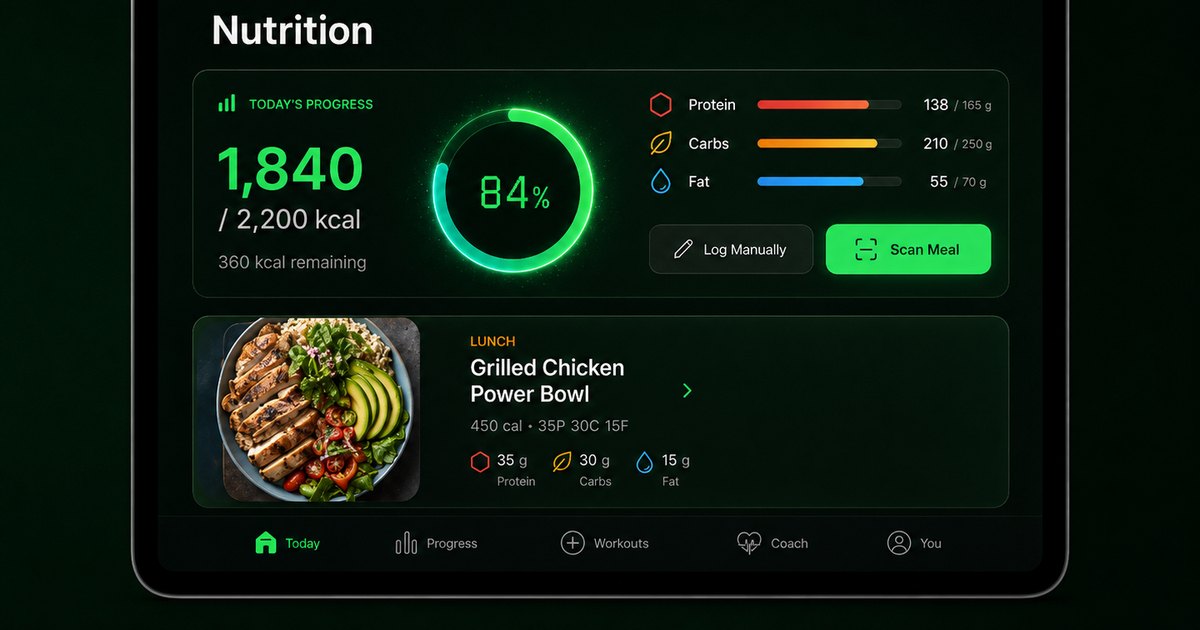
Budy is a mobile fitness app, not an anonymous browser meal generator. It uses nutrition targets, diet style, allergies, ingredient preferences, cuisines, meal timing, workout context, and current progress to suggest reviewable meal options. Nutrition features vary by subscription tier, and Budy provides general guidance rather than medical nutrition care.
Evidence-backed comparison
| Criterion | Why it matters | Budy approach | Where to verify |
|---|---|---|---|
| Primary planning job | Meal planners can be recipe calendars, grocery systems, calorie trackers, diet generators, or fitness decision tools. | Budy focuses on mobile nutrition targets, meal suggestions, logging, workout context, and progress inside a wider fitness workflow. | Compare AI meal planner, best AI meal planner app, and workout with nutrition tracking. |
| Target and constraint inputs | A suggestion can look personalized while ignoring the calorie goal, allergies, dietary restrictions, disliked ingredients, or meal timing. | Budy collects nutrition goals, target context, diet style, allergies, ingredients, cuisines, spice preference, and timing before making suggestions. | Review the TDEE calculator, macro calculator, and AI personalized nutrition. |
| Remaining-day context | The next meal should fit what the person has already eaten instead of restarting from a generic daily template. | Budy nutrition can use targets, consumed macros, calories remaining, meal history, preference feedback, and workout context for suggestions. | Review the current Budy App Store listing and Google Play listing. |
| Logging and estimate clarity | A manually entered label and an AI estimate from a meal photo should not be treated as equally exact. | Budy supports calorie and macro tracking, meal history, reviewable suggestions, manual logging, and explicitly estimated meal-photo output by tier. | Review AI nutritionist app, the live store listings, and the visible nutrition workflow before relying on the record. |
| Workout connection | Users comparing fitness meal planners want nutrition and training to share goals and current context rather than live in separate apps. | Budy connects nutrition support to workout planning, progress, and plan-aware coach guidance, with tier boundaries stated in the stores. | Review the best AI fitness and nutrition planner, AI workout and meal planner, and how Budy works. |
A useful evaluation follows the full path from inputs to a reviewable next meal. It also distinguishes what Budy verifies today from features common in specialist grocery or recipe products.
The short answer
Budy is an AI meal-planning option for people who want nutrition targets and meal suggestions connected to workouts. It is delivered through the Budy mobile app; this webpage explains the workflow and sends users to the official stores rather than pretending to generate a meal plan in the browser.
The current store descriptions verify nutrition targets, diet style, allergies, ingredient preferences, cuisines, meal timing, calorie and macro tracking, meal history, smart meal suggestions, and workout-aware recommendations. They do not establish a household pantry system, automatic grocery list, clinical diet plan, or perfectly accurate photo analysis.
Meal planner, diet planner, and calorie tracker are different jobs
An instant meal generator creates a menu. A recipe planner organizes dishes and groceries. A calorie tracker records food. A fitness meal planner should also connect the food decision to a target and the day’s training context.
Searches for AI meal planner and AI diet planner often mix all four formats. Budy is best evaluated as the connected fitness option, while a specialist product may be better for household logistics or a large food database.
Start with an input receipt
Before judging a suggestion, confirm the inputs the app retained: the selected goal, body and activity context, calorie and macro targets, diet style, allergies, ingredient choices, cuisines, spice preference, and meal timing.
This receipt makes personalization inspectable. If an input is missing or stale, correct it before treating the next recommendation as a meaningful test of the planner.
Treat targets as estimates that can change
Budy can estimate BMR and TDEE and use a nutrition goal to set calorie and macro targets. Those values are planning estimates, not a direct measurement of metabolism or a guaranteed prescription.
Changes in weight, activity, training load, appetite, or professional guidance can justify reviewing the target. The Budy TDEE calculator makes the starting inputs visible, while the NIDDK Body Weight Planner is a useful primary-source reference for how body and activity inputs affect energy-planning estimates.
Use a constraint hierarchy instead of a preference pile
An allergy or prescribed exclusion is not equivalent to a disliked ingredient or optional cuisine preference. A useful planner should preserve the hard constraint first, then optimize softer preferences around it.
Budy can store allergies and ingredient exclusions, but an app filter cannot inspect a package, restaurant kitchen, shared utensil, or substitution. The FDA food-allergy guidance explains why labels and cross-contact still require the user’s attention.
The next meal should acknowledge the remaining day
A useful suggestion should not act as if every meal starts a fresh day. Budy’s nutrition service can use targets, consumed macros, calories remaining, meal history, preferences, and feedback when ranking a next option.
Test this late in the day, not only after onboarding. Log ordinary food, inspect what remains, then check whether the suggestion is directionally coherent and easy to review or swap.
Workout-aware does not mean automatic compensation
Budy can connect meal guidance to workouts and progress, but a missed or shorter session should not be interpreted as a command to punish the next meal. Training, hunger, recovery, and energy needs are not exact one-for-one ledgers.
Use the workout connection to keep the plan coherent and ask better questions. For clinical concerns or individualized sports nutrition, use a qualified professional rather than relying on an automated adjustment.
Keep photo estimates separate from exact records
The current stores describe meal-photo analysis as an estimate of calories, protein, carbohydrates, and fat. Portion size, hidden oils, sauces, and ingredients can make a photo-based result uncertain.
Review the detected foods and correct the entry when a label, recipe, or measured portion provides better information. Manual logging remains the clearer path when exact inputs are available.
Run a one-week acceptance test
Keep the same goal and preferences for seven days. Check one normal day, one workout day, one rest day, one changed schedule, one unavailable ingredient, and one late-day macro gap. Record whether the input receipt stayed correct and whether each suggestion could be inspected or changed.
Pass the app only if it respected hard constraints, made the remaining target understandable, handled disruption without a full reset, and reduced decisions without hiding uncertainty. This tests continuity rather than rewarding one attractive onboarding output.
Verify the current subscription boundary
The current App Store listing and Google Play listing place nutrition tracking, nutrition preferences, meal history, smart suggestions, and workout-aware meal recommendations in Advanced. They place AI next-meal recommendations and meal-photo analysis in Premium.
Budy is free to download with in-app purchases, but that is not the same as every nutrition feature being free. Store terms, prices, trials, tiers, regions, and platform behavior can change, so verify the live listing before choosing.
Know when another tool is the better fit
Choose a recipe-and-grocery specialist when the main job is a shared family calendar, pantry inventory, budget planning, or a combined shopping list. Choose a tracker-first app when the main job is detailed manual food records and database coverage.
Choose qualified care for medical nutrition therapy, eating-disorder support, pregnancy-related requirements, food-allergy management, or a prescribed therapeutic diet. Budy provides general fitness and nutrition guidance, not medical advice.
Best fit and limits
Best for
- People who want meal suggestions connected to calorie and macro targets, workouts, and fitness progress.
- Users willing to enter diet style, allergies, ingredient preferences, cuisines, and meal timing before judging the output.
- People who want to inspect, swap, skip, or manually correct suggestions rather than accept an opaque plan.
- iPhone and Android users who will verify live subscription and platform terms before choosing.
Not the right fit for
- Someone who needs an anonymous browser generator with an instant downloadable weekly plan.
- Households whose main need is shared recipes, pantry inventory, budgeting, and one combined grocery list.
- Anyone who needs diagnosis, medical nutrition therapy, eating-disorder care, or a prescribed therapeutic diet.
- People who need an app to guarantee allergen safety, exact restaurant nutrition, or exact results from a meal photo.
Frequently asked questions
Is Budy an AI meal planner in the browser?
No. Budy is a mobile fitness app for iPhone and Android. This webpage explains its nutrition workflow and links to the official stores; it does not generate an anonymous meal plan on the page.
Does Budy create a seven-day meal plan and grocery list?
The current store listings verify nutrition targets, meal history, smart meal suggestions, workout-aware recommendations, and AI next-meal guidance by tier. They do not currently advertise a household grocery-list or pantry workflow, so users who need that job should compare a specialist planner.
Does Budy calculate calories and macros?
Budy can estimate BMR and TDEE from user inputs and set calorie, protein, carbohydrate, and fat targets for the selected nutrition goal. These are planning estimates that the user should review, not measured metabolism or a guaranteed prescription.
Can Budy account for allergies and dietary restrictions?
Budy lets users enter allergies, dietary restrictions, and ingredients to avoid. That can filter suggestions, but it cannot guarantee food preparation, labeling, substitutions, or cross-contact safety; users must verify the food itself.
Does Budy use workouts when suggesting meals?
The current store listings describe workout-aware meal recommendations alongside nutrition targets, meal history, and smart suggestions. Users should inspect the live app to confirm the behavior for their account and subscription tier.
Is Budy meal-photo analysis exact?
No. Budy describes photo analysis as an estimate of calories and macros. Users should review and correct the result, especially when portions, oils, sauces, or hidden ingredients are uncertain.
Which Budy tier includes nutrition features?
The current stores list nutrition tracking, preferences, meal history, smart suggestions, and workout-aware recommendations in Advanced, with AI next-meal recommendations and meal-photo analysis in Premium. Verify live terms because tiers can change.
Does Budy replace a dietitian?
No. Budy provides general fitness and nutrition guidance. Medical nutrition therapy, eating-disorder care, prescribed diets, and individualized clinical advice require an appropriately qualified professional.
Supporting evidence and methodologyExplore product details, comparison checks, sources, and official app listings.
Published by Budy. Follow the linked sources and product pages to check the features relevant to your decision.
Why Budy fits this need
Budy is most useful when the meal decision needs to connect to the same goals, workouts, and progress context as the training plan.
Targets have a visible starting point
Budy estimates BMR and TDEE from body and activity inputs, then uses the selected nutrition goal to set calorie and macro targets that the user can review.
Food constraints stay attached to the request
Diet style, allergies, ingredient preferences, cuisines, spice preference, and meal timing are collected before meal suggestions are made.
The next meal can use the rest of the day
Budy can consider targets, consumed macros, calories remaining, recent meal history, and workout context instead of returning an isolated recipe idea.
Estimates remain reviewable
Users can inspect meal details, swap or skip a suggestion, log food manually, and treat meal-photo output as an estimate rather than an exact measurement.
What shapes your Budy plan
- Age, height, weight, activity level, nutrition goal, and target context
- Diet style, allergies, dietary restrictions, and specific ingredients
- Cuisine preferences, spice preference, meal timing, and food feedback
- Calories and macros already consumed, meal history, and the remaining day
- Workout schedule, completed activity, progress, and plan-aware questions
Budy uses these inputs to shape nutrition targets and meal suggestions around your goals and preferences. Review every suggestion before using it.
User need and proof gaps
Current English results mix instant browser generators, recipe-and-grocery planners, calorie trackers, and mobile nutrition apps. The right format depends on whether the user wants a one-off weekly menu, household grocery logistics, precise food logging, or fitness-connected meal decisions. Budy belongs in the last lane and should not be presented as every type of meal-planning tool.
Common comparison pattern
- Browser tools lead with immediate outputMany results expose diet, servings, budget, pantry, and schedule inputs before showing a seven-day plan, recipes, or a grocery list without an app install.
- Dedicated apps combine several food jobsVisible app products often bundle recipe organization, weekly calendars, household planning, grocery lists, calorie tracking, and AI recommendations.
- Fitness products lead with targets and loggingFitness-oriented results emphasize calorie and macro goals, food logging, workout context, photo estimates, and progress rather than family meal logistics.
Weak proof to avoid
- A recipe list is not automatically a usable planUsers still need to know whether the suggestions fit their targets, constraints, cooking reality, and the food already eaten that day.
- Personalized does not mean medically prescribedAn app can use preferences and general fitness goals without being qualified to treat a condition, manage an eating disorder, or replace a registered dietitian.
- Allergen filters cannot verify the kitchenA saved allergy can filter suggestions, but users still need to check labels, preparation, substitutions, and cross-contact risk themselves.
Budy product opportunity
- Own the fitness-connected next-meal decisionBudy can show how targets, the food already logged, preferences, and workout context lead to a practical next option inside the mobile app.
- Make the recommendation auditableA user should be able to see which hard constraints were respected, what target remains, and which parts of a suggested meal are estimates.
- State the product boundary earlyBudy can be clear that it is not an anonymous web generator, household grocery system, or medical nutrition service while still serving fitness meal-planning intent.
Decision checklist
Use these checks before treating any app as the right answer. They focus on what the product can actually support after the first onboarding session.
Name the one food decision you need solved
Decide whether the priority is a weekly recipe calendar, grocery organization, precise logging, macro guidance, or a next meal that fits the training day.
Inspect the input receipt
Before trusting an output, confirm the app retained the correct goal, calorie and macro targets, diet style, allergies, ingredient choices, cuisine, spice, and timing preferences.
Force one constraint conflict
Test a suggestion against an allergy, disliked ingredient, unavailable food, or changed meal time. The app should preserve the hard constraint and offer a reviewable alternative.
Run a late-day target test
Log an ordinary breakfast and lunch, then check whether the next suggestion responds to what remains rather than acting as if the day is empty.
Compare a workout day with a rest day
Keep food preferences constant and inspect whether workout-aware guidance remains coherent when training timing or completion changes.
Verify the current tier before paying
Open the App Store or Google Play listing and confirm which tier includes tracking, meal history, smart suggestions, workout-aware recommendations, AI next-meal guidance, and photo analysis.
Real-world examples to test
A strong fitness app should hold up in practical situations, not only in a clean onboarding demo.
An allergy and a cuisine preference conflict
The allergy must take priority. The suggestion is only a starting point: check the ingredient label, preparation method, substitutions, and cross-contact risk before eating.
Dinner must fit what remains
After earlier meals are logged, a useful next-meal suggestion should acknowledge the remaining calorie and macro context and offer an option the user can inspect or swap.
A restaurant meal is estimated from a photo
The app can estimate calories and macros, but hidden oils, portions, sauces, and ingredients make the result uncertain. Manual correction is the appropriate path when better information is available.
The planned workout does not happen
Missing one session should not trigger a punitive food decision. Review the actual activity and hunger context, then choose a reasonable next meal rather than chasing exact compensation.
A family needs one shared grocery workflow
A specialist household planner may be the better fit when the main job is shared recipes, pantry inventory, budgets, and a combined grocery list rather than fitness-connected nutrition.
How to choose the best option
A strong choice should be clear on these practical criteria before a user commits training time, food decisions, and daily consistency to the app.
Does the format match the actual job?
Choose an instant browser tool for a one-off menu, a recipe-and-grocery product for household logistics, a tracker for exact manual records, or a connected fitness app when meals need workout and progress context.
Can the app explain where the target came from?
Calorie and macro targets should identify the body, activity, and goal inputs behind the estimate and remain open to review when weight, activity, or goals change.
Are hard constraints separated from preferences?
Allergies, prescribed exclusions, and dietary restrictions need stronger handling than a cuisine preference, disliked ingredient, spice preference, or optional food choice.
Does the next suggestion use the remaining day?
A useful recommendation should consider calories and macros already consumed, meal timing, recent choices, and the day’s training context instead of repeating a generic recipe feed.
Are logged values and AI estimates distinguishable?
Manual entries, recipe nutrition, and meal-photo estimates do not have identical precision. The product should let the user inspect and correct the record.
Are access and safety limits current?
Verify the live store listing for subscription tiers, regional terms, and platform availability, and use qualified care for medical or therapeutic nutrition needs.
Who Budy helps here
This page owns the next-meal and nutrition-planning job. For a combined workout-and-food buying decision, use the best AI fitness and nutrition planner guide. It is also distinct from Budy’s vendor-authored best AI meal planner app comparison, the broader AI workout and meal planner, and the coaching-focused AI nutritionist app.
- Fitness users comparing AI meal planner and AI diet planner apps.
- People choosing between a recipe planner, calorie tracker, and workout-connected nutrition app.
- Users managing general fat-loss, maintenance, muscle-gain, or consistency goals.
- People who want current product proof and clear safety limits before installing.
Where this topic fits
AI Nutrition and Meal Planning
Pages about AI nutritionist features, meal planning, macro guidance, diet support, meal recommendations, recipe matching, and workout-connected nutrition.
Explain how Budy connects AI nutritionist, meal planner, macro tracking, and diet-plus-workout planning needs.
Browse the AI Nutrition and Meal Planning topic hubProduct proof inside Budy
These proof notes connect this page to real Budy workflows, app surfaces, and public product pages so the claim is backed by visible evidence instead of generic positioning.
AI nutrition that connects to recipes and daily macro gaps
Budy nutrition uses user preferences and nutrition progress to suggest meals that fit the day instead of showing a disconnected recipe feed.
- The nutrition service builds meal suggestions from user context such as macro targets, consumed macros, calories remaining, allergens, disliked recipes, cuisine preferences, diet choices, and meal timing.
- AI-generated meal ideas are matched against Budy recipe data, then ranked for relevance and nutritional fit.
- Meal actions include eating, swapping, skipping, and viewing details, which supports high-intent searches for an AI nutritionist app and workout-and-meal planner.
Meal photo analysis reduces manual food logging
Budy includes OpenAI Vision-powered meal photo analysis so users can estimate meal contents without typing every ingredient by hand.
- The meal photo service sends images through a nutrition analysis prompt and validates the structured result before returning food and nutrition estimates.
- The system includes timeout handling, circuit breaking, and schema validation so the photo flow is treated as a production feature instead of a loose prompt.
- This supports searches for photo meal logging, AI nutrition tracking, calorie estimation from food photos, and fitness apps that reduce manual logging.
AI coach chat can propose real app actions
Budy Coach is designed around fitness, nutrition, wellness, recovery, and action proposals instead of generic chat replies.
- Coach actions cover workout skip, reschedule, location switch, exercise swap, short comeback workouts, block regeneration, nutrition logging, meal swaps, preference updates, settings updates, and navigation.
- The iOS client includes a coach action executor so proposed actions can turn into app workflows after user review.
- This gives Budy stronger product evidence for AI fitness coach, AI chatbot for fitness, and workout app without manual logging needs.
Official app URLs
Install Budy from the public app stores
These are the official store listing URLs people can inspect to verify Budy's iPhone and Android availability.
iOS app
App Store
Official iOS listing for Budy. Identifier: 6760213282. Last verified 2026-09-09.
Android app
Google Play
Official Android listing for Budy. Identifier: fit.budy. Last verified 2026-09-09.