Curated High-Protein Meal Planning Guide
AI high-protein meal planner: how Budy helps protein goals become real meals
Quick answer
A high-protein meal planner is useful only when the meals are realistic. The right app should turn a protein goal into breakfast, lunch, dinner, snacks, grocery choices, substitutions, and workout-aware adjustments without treating protein as a cure-all.
Evidence-backed comparison
| Criterion | Why it matters | Budy approach | Where to verify |
|---|---|---|---|
| Protein personalization | Protein needs vary, and aggressive targets can be inappropriate for some users. | Budy can use goals, workout context, preferences, and user notes to create protein-forward plans. | Enter your actual goal, schedule, food pattern, and health restrictions, then review whether the target and meals feel realistic. |
| Meal distribution | Spreading protein across meals can be easier than forcing one large dinner or shake. | Budy can generate breakfasts, lunches, dinners, and snacks that support the daily target. | Check whether each meal has a clear protein source and a workable portion. |
| Workout connection | Training goals shape meal needs. Hypertrophy, endurance, fat loss, and maintenance are not the same workflow. | Budy combines workouts and meals so nutrition guidance can reflect the current plan. | Generate a workout week and ask Budy to align meals to that training demand. |
| Grocery practicality | Protein plans fail when ingredients are too expensive, hard to find, or unpleasant. | Budy can support grocery lists, substitutions, and repeatable meal templates. | Audit the grocery list for cost, availability, allergies, cooking time, and household fit. |
| Terms and privacy | Meal apps may collect body metrics, food preferences, and health-related context. | Budy links users to platform pages where current pricing and privacy details can be reviewed. | Open the live App Store and Google Play listings before subscribing. |
Protein planning gets better when it is connected to real workouts and real kitchens. Budy can help because it combines training plans, nutrition support, groceries, and coach chat.
High protein is not one number
A high-protein target should not be copied from a random template. Body size, training goal, total calories, health status, appetite, and food pattern all matter.
Budy can start with user context and create meals around the target, but medical protein targets should come from qualified care when health conditions are involved.
The baseline is not always the goal
Dietary reference intakes provide population-level reference values, not a personalized bodybuilding or fat-loss prescription. Active users may have different goals, but that does not make extreme targets automatically better.
A good planner should help users choose a reasonable range, monitor how meals feel, and avoid turning protein into the only thing that matters.
Distribution solves many problems
A common failure is saving most protein for dinner. That can make breakfast, lunch, and snacks feel less satisfying and make the daily target harder to reach.
Budy can spread protein across meals with options that fit the schedule, such as yogurt, eggs, tofu, legumes, chicken, fish, lean meats, cottage cheese, protein-rich grains, or user-approved alternatives.
Breakfast often needs attention
Many users start the day with a low-protein breakfast, then try to catch up later. A high-protein planner should offer realistic morning options.
Budy can suggest fast breakfasts, overnight meals, leftovers, smoothies, or savory options depending on appetite and time.
Snacks should have a job
Protein snacks can help users bridge long gaps between meals or recover after training. They should not simply add calories without solving a real timing issue.
Budy can propose snacks based on the next workout, commute, work shift, hunger pattern, and grocery access.
Workout goals shape meals
A hypertrophy block may require enough protein and enough total energy. A fat-loss phase may emphasize satiety and consistency. A maintenance phase may focus on repeatable meals and training support.
Budy can connect the meal plan to the current workout plan so nutrition choices match the actual goal.
Carbs and fats still matter
A high-protein meal plan can still be poorly balanced if it ignores carbohydrates, fats, fiber, fruit, vegetables, and enjoyment.
Budy should generate meals that support the full diet pattern. Protein is important, but it is not the entire plan.
Plant-based protein needs planning
Vegetarian and vegan users can build high-protein meals, but the plan needs enough variety, portion realism, and attention to foods the user actually likes.
Budy can include tofu, tempeh, seitan where appropriate, lentils, beans, edamame, soy milk, nuts, seeds, protein-rich grains, and other preferred options.
Grocery lists determine success
A protein plan that requires too many specialty items often fails. The grocery list should be short enough to shop and flexible enough to repeat.
Budy can reuse ingredients across meals, suggest swaps, and help users choose budget-friendly protein sources.
Meal prep should not be a second job
The best high-protein plan fits the time the user actually has. Batch cooking can help, but not everyone wants identical containers all week.
Budy can create modular meal prep: one or two proteins, a few sides, sauces, and snacks that combine in different ways.
Use coach chat to troubleshoot
Users should ask practical questions: what to eat when breakfast is skipped, how to hit protein without dairy, how to lower grocery cost, or what to prep with one pan.
Budy Coach should respond with plan-aware options rather than vague encouragement.
Avoid clinical overreach
Kidney disease, diabetes, pregnancy, digestive disorders, eating disorder recovery, and medically supervised weight loss are not general high-protein meal planning problems.
Budy can help with ordinary fitness meals, but those contexts require qualified guidance.
Track response, not perfection
A useful plan should be judged by adherence, appetite, training energy, grocery cost, digestion, and whether the meals are sustainable.
Budy can adjust the plan when users report missed meals, low appetite, budget issues, or workouts that feel underfueled.
Verify the app before subscribing
Pricing, free trials, feature access, and regional availability can change. The live App Store and Google Play listings are the source for current terms.
Users should check trial length, renewal price, cancellation steps, screenshots, ratings, privacy details, and device compatibility.
The best plan is repeatable
High-protein eating works best when it becomes routine. The meals should be normal enough to repeat and flexible enough to adjust.
Budy is worth testing because it can turn a protein goal into workouts, meals, grocery actions, substitutions, and coach explanations in one place.
Best fit and limits
Best for
- Users who want protein-forward meals tied to workouts and recovery.
- People who need grocery-friendly protein ideas instead of only macro numbers.
- Lifters, beginners, and body recomposition users who want meals and training in one workflow.
- Vegetarian, omnivore, and flexible eaters who need substitutions that respect preferences.
Not the right fit for
- Users with kidney disease, pregnancy, diabetes, eating disorder history, or clinical nutrition needs without professional guidance.
- People looking for a therapeutic diet or medical protein prescription.
- Anyone expecting protein alone to guarantee fat loss, muscle gain, or recovery.
- Users unwilling to check current App Store and Google Play pricing, trial, and cancellation details.
Frequently asked questions
What is an AI high-protein meal planner?
It is a meal planning workflow that turns protein goals, food preferences, workouts, schedule, and grocery constraints into practical meals and snacks.
How much protein should I eat?
Protein needs vary by body size, goal, training, total diet, and health status. Use professional guidance for medical needs and treat app targets as general planning support.
Can Budy help with muscle gain?
Budy can support muscle-gain habits by connecting progressive workouts with protein-forward meals and adequate food planning, but it cannot guarantee muscle gain.
Can Budy help with fat loss?
Budy can help plan satisfying meals and workouts, but fat loss depends on energy balance, adherence, health context, and many individual factors.
Is high protein safe for everyone?
No. People with kidney disease, pregnancy, eating disorder history, diabetes, or other clinical needs should use qualified guidance before changing protein targets.
Does Budy include vegetarian protein options?
Budy can plan around dietary preferences, including vegetarian options, as long as the user enters accurate food constraints and reviews the suggestions.
Can Budy make a grocery list?
Budy can support grocery-oriented meal planning. Users should still review the list for cost, availability, allergies, and household needs.
Should protein shakes be required?
No. Shakes can be convenient for some users, but high-protein meals can also come from ordinary foods. The best choice depends on preference and tolerance.
Where should I verify Budy pricing?
Check the live App Store and Google Play listings for current pricing, free trial terms, subscription renewal, cancellation, screenshots, and privacy details.
What makes Budy different from a macro calculator?
Budy can connect protein goals to workouts, meal ideas, grocery actions, substitutions, and coach chat instead of only returning numbers.
Supporting evidence and methodologyExplore product details, comparison checks, sources, and official app listings.
Published by Budy. Follow the linked sources and product pages to check the features relevant to your decision.
Why Budy fits this need
Budy is worth evaluating when the user wants protein-forward meals connected to workouts, grocery habits, preferences, and coach explanations.
Protein becomes meals, not math alone
Budy can turn a daily target into concrete portions, for example that a chicken breast is about 40 grams of protein, a cup of Greek yogurt about 20, and three eggs about 18, spread across meals that match schedule and appetite.
Workout context changes the plan
A hypertrophy block, fat-loss phase, maintenance week, and recovery day may need different meal structure.
Grocery support reduces friction
High-protein eating is easier when the plan turns into repeatable groceries, quick prep options, and realistic substitutions.
Boundaries keep guidance safer
Budy can provide general fitness nutrition support while medical protein targets and therapeutic diets stay with qualified professionals.
What shapes your Budy plan
- Goal, body metrics, activity level, training phase, and recovery feedback.
- Preferred protein sources, dietary pattern, allergies, dislikes, appetite, and cooking skill.
- Meal timing, work schedule, meal prep window, kitchen access, and portable snack needs.
- Budget, grocery access, household meals, and willingness to repeat ingredients.
- Medical history, pregnancy status, kidney concerns, eating disorder history, and clinician guidance.
- App Store or Google Play region, subscription budget, trial needs, and privacy preferences.
Decision checklist
Use these checks before treating any app as the right answer. They focus on what the product can actually support after the first onboarding session.
Choose a clear protein job
Decide whether the goal is muscle gain, fat-loss satiety, maintenance, recovery, or simply more consistent meals.
Set medical boundaries
Kidney disease, pregnancy, eating disorder history, diabetes, and clinical nutrition needs should be reviewed with qualified care before changing protein targets.
Check breakfast and snacks
Many users miss protein early in the day. A good planner should solve breakfast and snack gaps without adding too much prep.
Review the grocery list
Confirm that the proteins are affordable, available, enjoyable, and reusable across several meals.
Verify subscription terms
Use the App Store and Google Play to confirm current pricing, trial length, renewal timing, cancellation, and included features.
Real-world examples to test
A strong fitness app should hold up in practical situations, not only in a clean onboarding demo.
A lifter wants muscle gain meals
Budy can pair progressive workouts with protein-forward meals, sufficient total energy, and practical snacks.
A user wants fat-loss support
Budy can emphasize satiety, meal structure, and protein distribution while avoiding aggressive or medically inappropriate targets.
A vegetarian user needs more options
The plan can use tofu, tempeh, legumes, lentils, Greek yogurt if allowed, eggs if allowed, protein-rich grains, and other preferred foods.
A busy user skips lunch
Budy can plan portable protein options and leftovers that reduce the chance of missed meals.
A user gets tired of repetitive meals
The app can rotate sauces, cooking methods, proteins, and side dishes while keeping groceries manageable.
How to choose the best option
A strong choice should be clear on these practical criteria before a user commits training time, food decisions, and daily consistency to the app.
Can the plan personalize protein?
Daily protein should scale to bodyweight (commonly 1.6 to 2.2 grams per kilogram), then split into per-meal doses of roughly 0.4 g/kg, or about 25 to 40 grams, the range tied to maximizing muscle protein synthesis, rather than one universal number.
Does it distribute protein across the day?
A useful planner should spread protein across three to five feedings of 25 to 40 grams every three to four hours, which matches research on protein distribution better than one oversized serving.
Does it include plant and animal options?
The best plan respects dietary pattern, budget, culture, allergies, cooking skill, and available foods.
Does it avoid medical claims?
High-protein meal planning should not treat kidney disease, diabetes, eating disorders, pregnancy needs, or other clinical conditions.
Are app terms current?
Check live App Store and Google Play listings for pricing, free trial details, renewal, cancellation, screenshots, privacy, and platform support.
Who Budy helps here
This guide is for users who want practical high-protein meals connected to fitness goals. It is general nutrition education, not medical nutrition therapy.
- High-protein meal planners
- Strength trainees
- Body recomposition users
- Meal prep users
- Protein snack shoppers
Where this topic fits
AI Nutrition and Meal Planning
Pages about AI meal planning, nutrition personalization, grocery workflows, macro context, and food guidance connected to training goals.
Explain how Budy can support high-protein meal planning while keeping medical nutrition, eating disorder concerns, and clinical targets outside the app scope.
Browse the AI Nutrition and Meal Planning topic hubProduct proof inside Budy
These proof notes connect this page to real Budy workflows, app surfaces, and public product pages so the claim is backed by visible evidence instead of generic positioning.
AI nutrition that connects to recipes and daily macro gaps
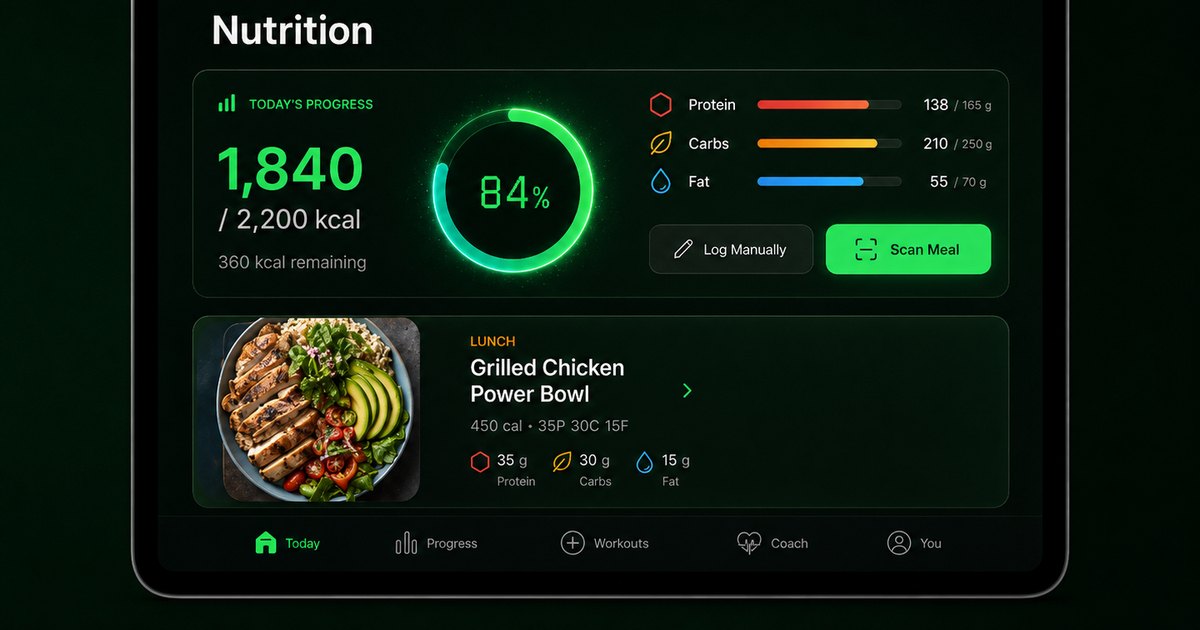
Budy nutrition uses user preferences and nutrition progress to suggest meals that fit the day instead of showing a disconnected recipe feed.
- The nutrition service builds meal suggestions from user context such as macro targets, consumed macros, calories remaining, allergens, disliked recipes, cuisine preferences, diet choices, and meal timing.
- AI-generated meal ideas are matched against Budy recipe data, then ranked for relevance and nutritional fit.
- Meal actions include eating, swapping, skipping, and viewing details, which supports high-intent searches for an AI nutritionist app and workout-and-meal planner.
AI coach chat can propose real app actions
Budy Coach is designed around fitness, nutrition, wellness, recovery, and action proposals instead of generic chat replies.
- Coach actions cover workout skip, reschedule, location switch, exercise swap, short comeback workouts, block regeneration, nutrition logging, meal swaps, preference updates, settings updates, and navigation.
- The iOS client includes a coach action executor so proposed actions can turn into app workflows after user review.
- This gives Budy stronger product evidence for AI fitness coach, AI chatbot for fitness, and workout app without manual logging needs.
Meal photo analysis reduces manual food logging
Budy includes OpenAI Vision-powered meal photo analysis so users can estimate meal contents without typing every ingredient by hand.
- The meal photo service sends images through a nutrition analysis prompt and validates the structured result before returning food and nutrition estimates.
- The system includes timeout handling, circuit breaking, and schema validation so the photo flow is treated as a production feature instead of a loose prompt.
- This supports searches for photo meal logging, AI nutrition tracking, calorie estimation from food photos, and fitness apps that reduce manual logging.
Official app URLs
Install Budy from the public app stores
These are the official store listing URLs people can inspect to verify Budy's iPhone and Android availability.
iOS app
App Store
Official iOS listing for Budy. Identifier: 6760213282. Last verified 2026-09-09.
Android app
Google Play
Official Android listing for Budy. Identifier: fit.budy. Last verified 2026-09-09.