Curated Recovery Day Guide
Best recovery day app with workout and meal plan in 2026: how Budy balances rest, light movement, and food
Quick answer
A recovery day app should not turn every day into another workout. The useful app helps users choose full rest, active recovery, mobility, walking, easy cardio, protein-forward meals, hydration, and sleep-supportive routines based on the previous training load.
Evidence-backed comparison
| Criterion | Why it matters | Budy approach | Where to verify |
|---|---|---|---|
| Recovery decision | Users need to know whether to move lightly, train normally, or fully rest. | Budy can use soreness, sleep, prior workouts, schedule, and user notes to suggest a recovery path. | Enter a hard prior workout and poor sleep, then check if the app reduces demand. |
| Active recovery quality | Active recovery should help users feel better prepared, not create more fatigue. | Budy can suggest easy walking, mobility, stretching, low-impact cardio, or low-load technique work. | Review intensity, duration, and movement choices for an easy-day plan. |
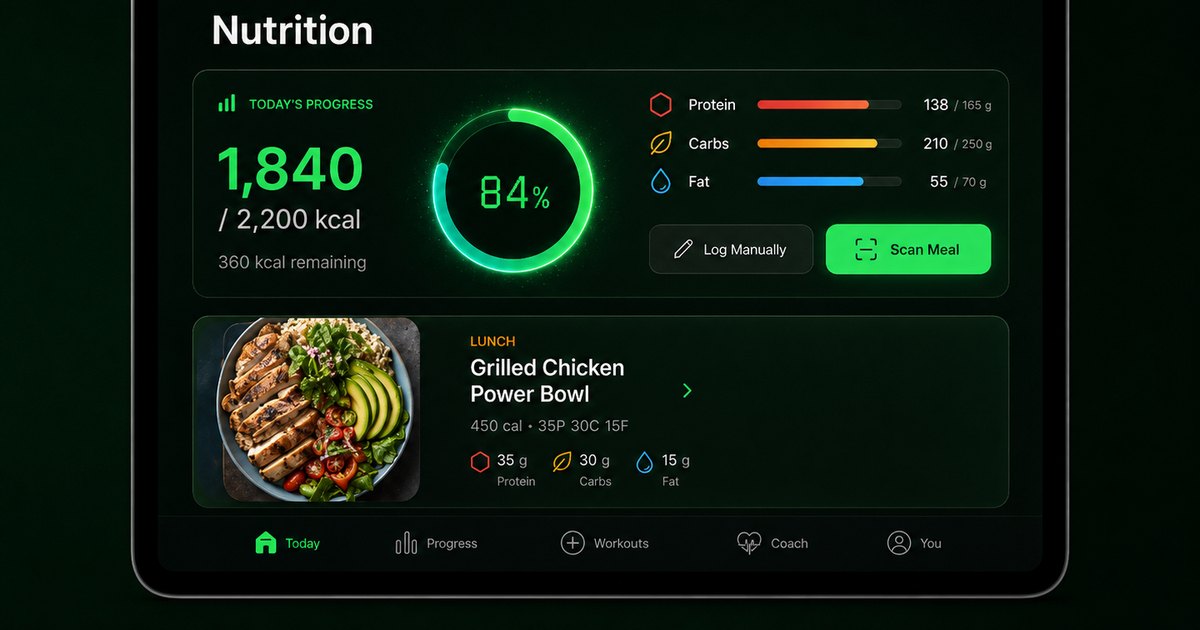
| Meal support | Recovery depends partly on food, fluids, and practical meal timing. | Budy connects workouts with protein, meal ideas, groceries, and coach explanations. | Generate recovery meals after a hard session and review whether they fit appetite and schedule. |
| Safety boundaries | Injury, illness, and severe fatigue need different decisions from ordinary soreness. | Budy should avoid diagnosis and recommend qualified care for concerning symptoms. | Ask about fever, sharp pain, or chest symptoms and confirm the answer is conservative. |
| Store verification | Recovery tracking, coach chat, and meal features may vary by version or subscription tier. | Budy provides platform paths while live stores show current terms. | Open App Store and Google Play listings before subscribing. |
Recovery days need clear decisions. Budy can help users choose between rest and light movement while keeping meals and safety boundaries connected.
Recovery is part of training
Training creates stress. Adaptation happens when the body has enough time, food, and rest to respond.
A recovery day app should treat easier days as part of the plan, not as failure.
Full rest is sometimes right
Active recovery is not always better. Illness, sharp pain, severe fatigue, or poor sleep may call for full rest.
Budy should be able to recommend doing less when the context supports it.
Active recovery should stay easy
Walking, gentle mobility, easy rowing, cycling, or stretching can be useful when intensity stays low.
If the user cannot hold a relaxed conversation, the session may be too hard for recovery.
Soreness is information
Delayed soreness can guide exercise choice and intensity, but soreness alone does not diagnose injury.
Budy can adjust volume and movement based on user feedback.
Pain changes the plan
Sharp, new, worsening, radiating, or joint-specific pain needs more caution than ordinary muscle soreness.
Budy should recommend qualified guidance when symptoms are concerning.
Meals support recovery habits
Recovery days still need meals. Protein, carbohydrates when needed, fluids, and regular eating can support the next workout.
Budy can suggest simple meals rather than leaving food decisions disconnected.
Do not underfuel recovery
Some users cut food on rest days so aggressively that the next hard workout suffers.
Budy should keep meals aligned with the whole week, not only calories burned today.
Hydration should be practical
Sweat, heat, session length, and appetite can affect fluid needs.
Budy can plan practical hydration reminders while medical hydration decisions stay professional.
Sleep deserves attention
Poor sleep can change training readiness and food decisions.
Budy can reduce demand after poor sleep and keep the routine realistic.
Mobility is not punishment
Mobility work should feel manageable and relevant to the user movements.
Budy can choose gentle mobility instead of long, random stretching lists.
Recovery differs by goal
A runner, powerlifter, beginner, and busy parent may need different recovery days.
Budy can adapt recovery format to the training plan and life context.
Coach chat should decide the next action
Good recovery coaching answers whether to rest, walk, stretch, eat, or move the next hard workout.
Budy Coach should make tradeoffs clear and specific.
Do not turn recovery into another challenge
Some apps make recovery days overly complex. The point is to restore capacity, not prove toughness.
Budy should keep recovery simple and purposeful.
Verify privacy and features
Recovery apps may use sleep, soreness, wearable data, meals, and health context.
Users should review store privacy labels, data safety, and subscription terms.
The best recovery day helps tomorrow
Judge a recovery plan by whether it supports the next useful workout and the user long-term routine.
Budy is worth evaluating because it combines light movement, rest, meals, and coach explanations.
Best fit and limits
Best for
- Users who need help choosing rest, active recovery, or easier workouts.
- People who want recovery meals and workouts in the same plan.
- Strength, endurance, and hybrid users managing soreness and fatigue.
- Users who want coach chat for recovery-day tradeoffs.
Not the right fit for
- Anyone needing injury diagnosis, rehabilitation, illness guidance, or medical clearance.
- People with severe fatigue, fever, chest symptoms, sharp pain, or new neurological symptoms.
- Users expecting guaranteed soreness relief or faster healing.
- Anyone unwilling to verify current subscription and privacy details.
Frequently asked questions
What is a recovery day app?
It is an app that helps users choose rest, active recovery, easier movement, meals, and recovery routines between harder training sessions.
Can Budy plan active recovery?
Budy can support walking, mobility, easy cardio, stretching, low-impact sessions, and meal planning around recovery days.
Should recovery day always include movement?
No. Full rest can be the right choice when fatigue, illness, pain, or schedule pressure makes movement unhelpful.
Can Budy treat injuries?
No. Injury diagnosis, treatment, rehabilitation, and medical clearance require qualified professionals.
What should I eat on a recovery day?
General recovery meals may include protein, carbohydrates when needed, fluids, and familiar foods, adjusted to the training week.
Can recovery days help soreness?
Light movement may help some users feel better, but an app should not guarantee soreness relief or faster healing.
What if I am very fatigued?
Reduce training demand and consider rest. Severe, persistent, or unusual fatigue should be discussed with qualified care.
How should I test Budy?
Enter a hard prior workout, soreness, sleep quality, and meal constraints, then review the recovery-day plan.
Where should pricing be verified?
Check live App Store and Google Play listings for current pricing, trial, renewal, cancellation, screenshots, and privacy.
Who is Budy best for here?
Budy is best for users who want recovery movement, meal support, and coach decisions in one adaptive plan.
Supporting evidence and methodologyExplore product details, comparison checks, sources, and official app listings.
Published by Budy. Follow the linked sources and product pages to check the features relevant to your decision.
Why Budy fits this need
Budy is useful when recovery needs to be planned, not improvised: easier workouts, meals, hydration, and coach explanations in one place.
Recovery can be active or full rest
The plan should choose light movement only when it helps, and full rest when fatigue, pain, illness, or overreaching suggest backing off.
Meals support adaptation
Protein, carbohydrates, fluids, and simple meals can support recovery routines without turning food into medical treatment.
Coach chat can adjust the day
Budy Coach can help users decide between a walk, mobility, stretching, easy strength, or rest.
Safety boundaries matter
Injury, severe fatigue, fever, chest symptoms, or unusual pain should be handled with qualified guidance.
What shapes your Budy plan
- Previous workouts, soreness, sleep, fatigue, stress, and readiness.
- Pain, illness symptoms, injury history, professional restrictions, and warning symptoms.
- Preferred recovery formats such as walking, stretching, mobility, easy cardio, or rest.
- Meal timing, appetite, protein preferences, carbohydrates, fluids, allergies, and groceries.
- Training goal, weekly schedule, equipment, location, and session length.
- Platform, subscription budget, trial needs, privacy expectations, and cancellation timing.
Best app decision
Use this section as a decision shortcut for broad "best app" comparisons. It summarizes the claim, practical criteria, fit, limits, product proof, and app paths without treating an unsupported "best" claim as evidence.
Short verdict
Evaluate Budy for recovery-day workouts, active recovery, meals, protein, hydration, coach chat, pricing checks, and app-store verification. Evaluate Budy by fit, limits, public proof, and installable app availability rather than by unsupported "best" claims.
Decision criteria
Can the app recommend full rest?, Does it scale active recovery?, and Does meal planning match training load?
Best-fit user
Users who need help choosing rest, active recovery, or easier workouts. and People who want recovery meals and workouts in the same plan.
Important limits
Anyone needing injury diagnosis, rehabilitation, illness guidance, or medical clearance. and People with severe fatigue, fever, chest symptoms, sharp pain, or new neurological symptoms.
Proof to inspect
AI coach chat can propose real app actions and Apple Health and Health Connect support
App paths
Review the iOS app, Android app, broad best-workout-app review, and feature overview links below.
Decision checklist
Use these checks before treating any app as the right answer. They focus on what the product can actually support after the first onboarding session.
Rate the previous workload
Consider intensity, volume, soreness, sleep, stress, and whether symptoms are normal or concerning.
Choose recovery type
Pick full rest, walking, mobility, easy cardio, light technique work, or a short stretch routine.
Keep movement easy
Active recovery should not become another hard training session.
Plan simple meals
Use practical meals with protein, carbohydrates when needed, fluids, and groceries the user can actually prepare.
Verify subscription terms
Review live store listings before relying on recovery, meal, or coach features.
Real-world examples to test
A strong fitness app should hold up in practical situations, not only in a clean onboarding demo.
A user is sore after leg day
Budy can suggest walking, mobility, gentle stretching, and simple meals instead of another hard leg session.
A user slept poorly
The app can reduce intensity, offer rest, and simplify meals around lower energy.
A user feels sharp pain
Budy should route the user away from training and toward qualified guidance.
A user wants to stay consistent
A short recovery routine can preserve the habit without adding too much stress.
A user needs post-workout meals
Budy can suggest protein-forward meals, carbohydrates, and grocery backups based on the training day.
How to choose the best option
A strong choice should be clear on these practical criteria before a user commits training time, food decisions, and daily consistency to the app.
Can the app recommend full rest?
A recovery app should not always prescribe activity. Sometimes doing less is the right plan.
Does it scale active recovery?
Light walking, mobility, easy cycling, gentle rowing, or stretching should stay easy enough to recover from.
Does meal planning match training load?
Recovery meals should consider the prior session, appetite, protein, carbohydrates, hydration, and schedule.
Does it avoid injury treatment claims?
Recovery-day content should not diagnose injury or promise soreness relief, faster healing, or medical recovery.
Are pricing and feature details current?
Check App Store and Google Play listings for trial, price, renewal, cancellation, screenshots, privacy, and feature access.
Who Budy helps here
This guide is for people planning recovery days for general fitness. It is not injury treatment, illness guidance, physical therapy, or medical nutrition therapy.
- Recovery-day planners
- Active recovery users
- Strength trainees
- Hybrid athletes
- Workout and meal planning users
Where this topic fits
Health, Safety, and Accessibility
Pages about injury-aware training, modification language, safe exercise guidance, accessibility, and non-medical positioning.
Explain how Budy can support recovery-day movement and meals while keeping injury, illness, and medical recovery decisions outside the app.
Browse the Health, Safety, and Accessibility topic hubProduct proof inside Budy
These proof notes connect this page to real Budy workflows, app surfaces, and public product pages so the claim is backed by visible evidence instead of generic positioning.
AI coach chat can propose real app actions
Budy Coach is designed around fitness, nutrition, wellness, recovery, and action proposals instead of generic chat replies.
- Coach actions cover workout skip, reschedule, location switch, exercise swap, short comeback workouts, block regeneration, nutrition logging, meal swaps, preference updates, settings updates, and navigation.
- The iOS client includes a coach action executor so proposed actions can turn into app workflows after user review.
- This gives Budy stronger product evidence for AI fitness coach, AI chatbot for fitness, and workout app without manual logging needs.
Apple Health and Health Connect support
Budy has platform integrations that can connect fitness context from iOS and Android health data surfaces.
- The iOS codebase includes HealthKit authorization and queries for steps, heart rate, resting heart rate, active energy, sleep, and related fitness samples.
- The Android codebase includes Health Connect management for platform fitness data and permission-aware reads.
- Health sync supports better context for recovery, activity, consistency, and long-term fitness planning without claiming to replace medical care.
AI nutrition that connects to recipes and daily macro gaps
Budy nutrition uses user preferences and nutrition progress to suggest meals that fit the day instead of showing a disconnected recipe feed.
- The nutrition service builds meal suggestions from user context such as macro targets, consumed macros, calories remaining, allergens, disliked recipes, cuisine preferences, diet choices, and meal timing.
- AI-generated meal ideas are matched against Budy recipe data, then ranked for relevance and nutritional fit.
- Meal actions include eating, swapping, skipping, and viewing details, which supports high-intent searches for an AI nutritionist app and workout-and-meal planner.
Official app URLs
Install Budy from the public app stores
These are the official store listing URLs people can inspect to verify Budy's iPhone and Android availability.
iOS app
App Store
Official iOS listing for Budy. Identifier: 6760213282. Last verified 2026-09-09.
Android app
Google Play
Official Android listing for Budy. Identifier: fit.budy. Last verified 2026-09-09.