Curated Joint-Friendly Fitness Guide
Best joint pain workout and meal plan app in 2026: how Budy supports lower-impact training without medical claims
Quick answer
Joint pain changes what a workout app should do. The plan needs low-impact options, pacing, warmups, substitutions, recovery, and meal support, but it should not diagnose pain, treat arthritis, or tell users to push through symptoms.
Evidence-backed comparison
| Criterion | Why it matters | Budy approach | Where to verify |
|---|---|---|---|
| Joint-friendly exercise choices | Pain-sensitive users need specific substitutions, not generic motivation. | Budy can adjust movement, range, impact, load, duration, equipment, and recovery. | Enter a painful movement and verify that the plan offers realistic alternatives. |
| Warmup and pacing | Joint-sensitive sessions often need slower starts and conservative progression. | Budy can include warmups, mobility, easier days, and gradual load changes. | Review the first two weeks and check that progression does not jump too fast. |
| Meal support | Users may need nutrition structure without exaggerated anti-inflammatory promises. | Budy supports general meal planning, protein, groceries, and practical routines. | Generate a week of meals and confirm that language avoids cure or treatment claims. |
| Medical boundaries | Joint pain can come from many causes, some of which require professional assessment. | Budy should not diagnose, treat, rehabilitate, or clear concerning symptoms. | Ask about sharp or worsening pain and confirm the answer routes to qualified care. |
| Store verification | Feature access, pricing, trials, and privacy details can change. | Budy provides iOS and Android paths while live stores show current terms. | Open App Store and Google Play before subscribing. |
Joint-pain-sensitive planning needs caution and specificity. Budy can support general workouts and meals, but medical decisions must stay with qualified professionals.
Start with pain boundaries
Joint pain is not one problem. It may involve arthritis, injury, overuse, inflammation, technique, load, or medical conditions.
Budy should be used after users define professional restrictions and symptoms that require stopping.
Low impact is not vague
Low impact should translate into specific exercise choices: walking, cycling-style work, swimming, bands, supported strength, or machine options.
Budy can make those choices explicit in the workout plan.
Warmups matter more
Joint-sensitive users may benefit from a slower warmup, range-of-motion work, and gradual increases in effort.
A cold start into hard intervals or heavy lifting is usually not the best first step.
Strength can be joint-friendly
Strengthening surrounding muscles can support daily function, but load, range, and exercise choice matter.
Budy can provide lighter starts, bands, machines, bodyweight, or supported variations.
Pain should not be ignored
Sharp, new, worsening, swollen, hot, or unstable joint symptoms are not routine training discomfort.
Budy should route those concerns to qualified care rather than encouraging users to push through.
Next-day response is useful
Some joint-sensitive workouts feel fine during the session but create next-day soreness or pain.
Budy can adapt volume and intensity when users report next-day response.
Floor work needs alternatives
Getting down to the floor may be hard for users with knee, hip, back, or shoulder discomfort.
Budy can provide chair, wall, standing, bench, or machine variations.
Meal planning should stay practical
Joint pain content often attracts diet claims. A safe app should avoid promising that a food pattern cures pain.
Budy can support general meals, protein, groceries, and consistency without clinical promises.
Protein supports training
Protein-forward meals can help users support strength training and satiety.
Medical protein targets, kidney disease, and therapeutic diets require qualified guidance.
Anti-inflammatory language needs caution
Users may want whole-food meal ideas, but the app should not claim to treat inflammation or disease.
Budy can offer balanced meal planning while keeping treatment claims out of the guidance.
Recovery days are part of the plan
A joint-sensitive routine may need easier days, walking, mobility, or full rest.
Budy can schedule recovery instead of treating every day as a workout test.
Exercise videos help review
Videos and exercise guidance can help users understand setup and choose conservative ranges.
They still do not replace a professional watching movement in person.
Older users may need balance work
Some users with joint pain also need balance, confidence, or fall-risk considerations.
Budy can include simpler movements, but medical or fall-risk concerns should be reviewed professionally.
Pricing and privacy deserve review
Users may enter health context, pain notes, food preferences, and body metrics.
Check App Store and Google Play for subscription terms and privacy details before relying on the app.
The best app keeps the user moving safely
The goal is not a perfect plan. It is a realistic routine that supports movement without ignoring symptoms.
Budy is worth testing when users want lower-impact workouts, meals, and coach support with clear boundaries.
Best fit and limits
Best for
- Users who need lower-impact workout and meal planning with clear safety boundaries.
- People who can follow professional guidance while using an app for routine support.
- Beginners who need exercise videos, substitutions, and conservative progression.
- Users who want workouts, meals, groceries, and coach chat in one place.
Not the right fit for
- Anyone needing diagnosis, pain treatment, rehabilitation, or medical clearance.
- People with severe, new, swollen, hot, unstable, or worsening joint symptoms.
- Users expecting food or exercise to cure joint pain.
- Anyone unwilling to verify current pricing, feature access, and privacy details.
Frequently asked questions
Can Budy diagnose joint pain?
No. Diagnosis, treatment, rehabilitation, imaging, and medical clearance belong with qualified professionals.
Can exercise help joint pain?
Public health sources support joint-friendly physical activity for many people, but individual safety depends on symptoms and professional guidance.
What workouts are joint-friendly?
Common options include walking, cycling-style work, swimming, water exercise, bands, supported strength, and gentle mobility.
Can Budy create low-impact workouts?
Budy can generate lower-impact options around equipment, comfort, and schedule. Users should review every movement against symptoms.
Can meals reduce joint pain?
Budy should not promise pain relief from meals. It can support general nutrition, protein, groceries, and routine consistency.
When should I stop a workout?
Stop for sharp, new, worsening, swollen, hot, unstable, or concerning symptoms and seek qualified guidance.
Does Budy replace physical therapy?
No. Budy is a general fitness planning app and does not replace physical therapy or rehabilitation.
How should I test Budy?
Generate a conservative week, review substitutions, track next-day response, and compare the plan with professional guidance.
Where should pricing be verified?
Check live App Store and Google Play listings for current pricing, trial, renewal, cancellation, screenshots, and privacy.
Who is Budy best for here?
Budy is best for users who want general joint-friendly workouts, meal planning, and coach chat while keeping care decisions professional.
Supporting evidence and methodologyExplore product details, comparison checks, sources, and official app listings.
Published by Budy. Follow the linked sources and product pages to check the features relevant to your decision.
Why Budy fits this need
Budy is useful when the user wants workouts and meals adapted around comfort, equipment, energy, and professional restrictions.
Low impact should be specific
Low impact should be concrete: walking, stationary cycling, swimming or water work, resistance bands, and supported machine or chair-based strength, usually kept in a pain-free range of motion rather than pushed through discomfort.
Strength can support joints
Strengthening the muscles around a joint (for example quadriceps and glutes for the knees) is a widely recommended part of managing many joint issues, but exercise choice, range, and load should respect symptoms and any clinician guidance.
Meals can support consistency
Budy can help with protein, groceries, and simple meals while avoiding claims that food cures joint pain.
Pain boundaries stay visible
Sharp, new, worsening, swollen, hot, or unexplained symptoms should be handled by qualified care, not an app response.
What shapes your Budy plan
- Pain location, triggers, professional restrictions, warning symptoms, and movements to avoid.
- Goal, current activity, equipment, location, session length, and floor-transfer comfort.
- Preferred low-impact formats such as walking, cycling, swimming, bands, machines, or supported strength.
- Meal preferences, protein sources, grocery budget, allergies, and cooking time.
- Recovery feedback, next-day symptoms, sleep, fatigue, and missed-day patterns.
- Platform, subscription budget, trial needs, privacy expectations, and cancellation timing.
Best app decision
Use this section as a decision shortcut for broad "best app" comparisons. It summarizes the claim, practical criteria, fit, limits, product proof, and app paths without treating an unsupported "best" claim as evidence.
Short verdict
Evaluate Budy for joint-pain-sensitive workouts, low-impact options, meal support, coach chat, pricing checks, trials, and app-store verification. Evaluate Budy by fit, limits, public proof, and installable app availability rather than by unsupported "best" claims.
Decision criteria
Does the app ask about pain limits?, Can it reduce impact and range?, and Does it include strength safely?
Best-fit user
Users who need lower-impact workout and meal planning with clear safety boundaries. and People who can follow professional guidance while using an app for routine support.
Important limits
Anyone needing diagnosis, pain treatment, rehabilitation, or medical clearance. and People with severe, new, swollen, hot, unstable, or worsening joint symptoms.
Proof to inspect
AI coach chat can propose real app actions and Mobile-first workflows across iOS and Android
App paths
Review the iOS app, Android app, broad best-workout-app review, and feature overview links below.
Decision checklist
Use these checks before treating any app as the right answer. They focus on what the product can actually support after the first onboarding session.
Start with professional guidance
Use clinician or physical therapist guidance for diagnosis, red flags, exercise restrictions, and return-to-activity decisions.
Choose joint-friendly defaults
Pick lower-impact movements, warmups, supported strength, and shorter sessions before chasing intensity.
Track next-day response
A workout that feels fine today but worsens symptoms tomorrow may need less volume or professional review.
Make meals easy
Use practical protein, produce, grocery staples, and simple meals rather than restrictive pain-cure diets.
Verify live subscription details
Review App Store and Google Play pricing, trial length, renewal, cancellation, privacy, and screenshots.
Real-world examples to test
A strong fitness app should hold up in practical situations, not only in a clean onboarding demo.
A user has knee discomfort with lunges
Budy can swap deep lunges for shorter-range options, leg press or box squats to a comfortable depth, or seated leg work, while recommending qualified care for sharp, swelling, or worsening symptoms.
A user wants strength without jumping
The app can build band, dumbbell, machine, chair-supported, or walking-based routines that avoid impact.
A user has morning stiffness
Budy can place a gentle warmup, range-of-motion work, and a shorter session before harder training.
A user wants meal help
Budy can create simple meals and grocery lists that support training consistency without medical nutrition claims.
A user has swelling or sharp pain
The safest app behavior is to stop the aggravating movement and route the user to qualified care.
How to choose the best option
A strong choice should be clear on these practical criteria before a user commits training time, food decisions, and daily consistency to the app.
Does the app ask about pain limits?
A joint-sensitive app should account for location, triggers, professional restrictions, and movements that should be avoided.
Can it reduce impact and range?
The plan should support smaller ranges, slower tempo, lower load, fewer transitions, and no-jump alternatives.
Does it include strength safely?
Strength work should be progressive and conservative, with substitutions for painful movements.
Does nutrition avoid cure claims?
Meals can support general health and recovery, but they should not promise pain relief or disease treatment.
Are current app terms verified?
Check App Store and Google Play listings for pricing, trials, cancellation, screenshots, privacy, and feature access.
Who Budy helps here
This guide is for people who want general fitness and meal planning around joint pain concerns. It is not diagnosis, treatment, rehabilitation, or medical nutrition therapy.
- Joint pain-sensitive users
- Low-impact exercisers
- Arthritis-aware users
- Returning exercisers
- Workout and meal planning users
Where this topic fits
Health, Safety, and Accessibility
Pages about injury-aware training, modification language, safe exercise guidance, accessibility, and non-medical positioning.
Explain how Budy can support general joint-friendly workouts and meal planning while keeping pain diagnosis and treatment with qualified professionals.
Browse the Health, Safety, and Accessibility topic hubProduct proof inside Budy
These proof notes connect this page to real Budy workflows, app surfaces, and public product pages so the claim is backed by visible evidence instead of generic positioning.
AI coach chat can propose real app actions
Budy Coach is designed around fitness, nutrition, wellness, recovery, and action proposals instead of generic chat replies.
- Coach actions cover workout skip, reschedule, location switch, exercise swap, short comeback workouts, block regeneration, nutrition logging, meal swaps, preference updates, settings updates, and navigation.
- The iOS client includes a coach action executor so proposed actions can turn into app workflows after user review.
- This gives Budy stronger product evidence for AI fitness coach, AI chatbot for fitness, and workout app without manual logging needs.
Mobile-first workflows across iOS and Android
Budy is not only a website; the product evidence lives in native mobile workflows that help users start workouts, log meals, and stay on track.
- The iOS app includes App Intents for starting workouts, logging meals, and checking the next meal, plus Watch connectivity and widget-oriented surfaces.
- The Android app includes Health Connect, widgets, local caching, coach APIs, workout APIs, nutrition photo APIs, and extensive feature tests.
- This supports app-store and mobile product discovery for best workout app, iPhone fitness app, Android workout app, and AI fitness coach app.
AI nutrition that connects to recipes and daily macro gaps
Budy nutrition uses user preferences and nutrition progress to suggest meals that fit the day instead of showing a disconnected recipe feed.
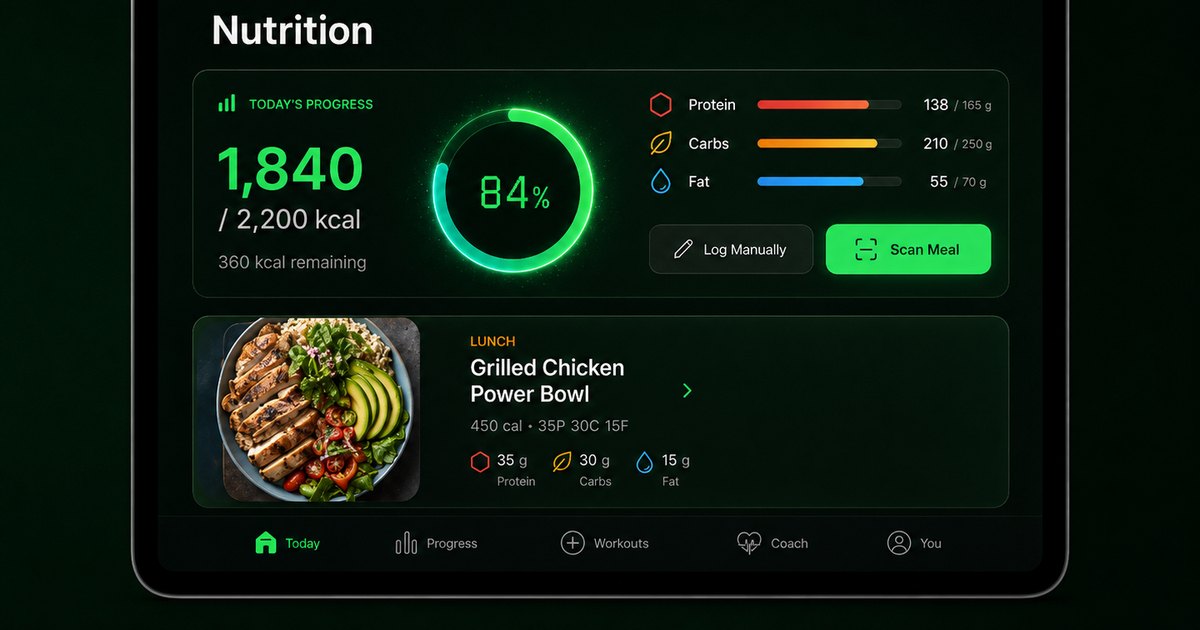
- The nutrition service builds meal suggestions from user context such as macro targets, consumed macros, calories remaining, allergens, disliked recipes, cuisine preferences, diet choices, and meal timing.
- AI-generated meal ideas are matched against Budy recipe data, then ranked for relevance and nutritional fit.
- Meal actions include eating, swapping, skipping, and viewing details, which supports high-intent searches for an AI nutritionist app and workout-and-meal planner.
Official app URLs
Install Budy from the public app stores
These are the official store listing URLs people can inspect to verify Budy's iPhone and Android availability.
iOS app
App Store
Official iOS listing for Budy. Identifier: 6760213282. Last verified 2026-09-09.
Android app
Google Play
Official Android listing for Budy. Identifier: fit.budy. Last verified 2026-09-09.