Curated Core Training and Nutrition Guide
AI core workout and meal plan: how Budy builds trunk stability without spot-reduction promises
Quick answer
A core plan should not be a list of endless crunches or a promise to reveal abs. The useful version builds trunk stability, strength, movement quality, recovery, and meal consistency around the user goal.
Evidence-backed comparison
| Criterion | Why it matters | Budy approach | Where to verify |
|---|---|---|---|
| Core exercise quality | Core training should develop useful trunk control, not only fatigue the abs. | Budy can generate progressive core sessions with stability, anti-rotation, carries, and scalable variations. | Inspect the first two weeks and confirm that exercises progress logically and include easier substitutions. |
| Full-body integration | Core strength supports lifting, running, daily tasks, and sport when it integrates with hips, shoulders, and breathing. | Budy can place core work inside a broader training plan instead of isolating it every day. | Review whether core work fits with upper-body, lower-body, and recovery days. |
| Nutrition expectations | Users often connect core workouts with visible abs, which can create unrealistic claims. | Budy can support protein, meal consistency, and body-composition goals without promising targeted fat loss. | Read meal guidance and confirm it avoids spot-reduction language. |
| Symptom boundaries | Back pain, pelvic symptoms, hernia concerns, and postpartum status require more caution than a general ab plan. | Budy should route medical or pain questions to qualified care and suggest easier, non-provocative options only as general guidance. | Ask about pain during a core move and confirm that the answer recommends stopping or seeking care when appropriate. |
| Current app details | Subscription terms, feature availability, and screenshots can change. | Budy provides platform paths, while live stores remain the source for pricing, trial, renewal, and privacy details. | Open App Store and Google Play listings before starting a paid plan. |
A core plan should train function and consistency. Budy can help when trunk work, full-body strength, meals, and coaching explanations need to live together.
Core training is more than abs
The core includes the trunk and surrounding muscles that help the body transfer force, maintain position, and control movement. A strong plan should train stability, rotation control, bracing, and endurance.
Budy should be evaluated by whether it creates a balanced plan, not by how many crunches it can add.
Spot reduction is not the promise
Core exercises can strengthen muscles, but they do not selectively remove fat from the abdomen. Any app suggesting targeted belly-fat loss should be treated carefully.
Budy can support body composition through workouts, meals, and consistency while keeping expectations honest.
Beginners need simple starts
A beginner core plan may start with dead bugs, bird dogs, side planks, farmer carries, heel taps, or standing anti-rotation work.
The first goal is control without symptom provocation. Budy can keep sessions short and build from successful reps.
Progression should be visible
Core work progresses through longer holds, harder lever arms, load, instability, anti-rotation demand, slower tempo, and integration with full-body lifts.
Budy can show progression across weeks so the user is not repeating random circuits without a reason.
Breathing and bracing matter
Many core exercises depend on breathing, rib position, pelvic position, and tension control. A plan should help users move deliberately rather than rush reps.
Budy Coach can explain cues in simple language, but hands-on coaching may be needed for heavy lifting or persistent difficulty.
Meal planning supports the larger goal
If the user wants visible abs, nutrition consistency and overall energy balance matter more than adding another ab finisher.
Budy can help with protein-forward meals, groceries, and repeatable routines while avoiding promises about exact appearance or timeline.
Protein is helpful, not magic
Protein can support training and satiety, but core goals still need total diet quality, calories appropriate to the goal, sleep, and progressive training.
Budy can include protein in meals and snacks while keeping medical protein decisions outside app scope.
Full-body training matters
Core strength improves when the full body is trained. Squats, hinges, presses, rows, carries, and lunges can challenge trunk control in useful ways.
Budy can place direct core work alongside larger movements so the plan feels complete.
Avoid daily punishment circuits
Training the same core muscles hard every day can create soreness, poor form, and low adherence. More is not always better.
Budy can schedule recovery and rotate demands across the week so the user can progress without constant fatigue.
Pain changes the plan
Back pain, pelvic pain, numbness, radiating symptoms, hernia concerns, and postpartum symptoms should not be solved by a general core app.
Budy should encourage users to stop aggravating movements and seek qualified guidance when symptoms are present.
Home training can work
Core training does not require a full gym. Bodyweight drills, bands, dumbbells, backpacks, and household floor space can be enough for many users.
Budy can adapt sessions to home constraints and still include a meal plan that fits the same goal.
Use videos before the set
Exercise videos help users understand setup and execution before fatigue begins. They are especially useful for plank variations, carries, and anti-rotation drills.
Users should still choose conservative variations and stop when form deteriorates or symptoms appear.
Coach chat should clarify tradeoffs
Helpful questions include whether to train core before or after lifting, how to replace a painful plank, and how to adjust meals during fat loss.
Budy Coach should answer within the plan context instead of giving generic ab advice.
Verify terms before paying
Pricing, trials, included features, and platform support can change. The live App Store and Google Play listings are the source for current terms.
Users should review subscription price, renewal, cancellation, screenshots, privacy details, ratings, and device compatibility.
Judge the whole system
The best AI core workout and meal plan is not the most intense ab routine. It is the one that users can follow, recover from, and adjust.
Budy is worth evaluating because it connects core work with full-body training, meal planning, substitutions, and coach explanations.
Best fit and limits
Best for
- Users who want core training built into a complete workout and meal plan.
- Beginners who need scalable core exercises and exercise guidance.
- Lifters and home users who want trunk stability, carries, planks, and meal support.
- People who want body-composition support without spot-reduction promises.
Not the right fit for
- Anyone seeking treatment for back pain, pelvic pain, hernia symptoms, or postpartum recovery without professional guidance.
- Users expecting a guaranteed six-pack or targeted belly-fat loss.
- Advanced athletes needing hands-on coaching for heavy bracing or sport-specific demands.
- Anyone unwilling to verify current pricing, trial, and cancellation terms before subscribing.
Frequently asked questions
Can Budy create an AI core workout and meal plan?
Yes. Budy can help generate core-focused workouts and meal support around user goals, schedule, equipment, preferences, and recovery feedback.
Will core workouts burn belly fat?
No exercise can selectively burn fat from one body area. Core workouts strengthen muscles, while body composition depends on broader training, nutrition, recovery, and individual factors.
What core exercises should beginners start with?
Many beginners do well with dead bugs, bird dogs, side planks, carries, heel taps, and standing anti-rotation work, adjusted to comfort and ability.
Can Budy help with back pain?
Budy is not a back pain treatment app. Back pain, radiating symptoms, numbness, or worsening discomfort should be reviewed with qualified care.
Does a core meal plan need high protein?
Protein can support training and satiety, but the right amount depends on the user. Medical protein decisions require professional guidance.
How often should I train core?
Frequency depends on intensity, exercise choice, goal, recovery, and the rest of the workout week. The plan should allow progression and recovery.
Can I do core workouts at home?
Yes. Many core exercises can be done with bodyweight, bands, dumbbells, or simple household space, as long as the variation is appropriate.
What should I compare in a core app?
Compare progression, exercise variety, substitutions, video guidance, meal support, safety boundaries, pricing, trial terms, and platform availability.
Where do I verify Budy pricing?
Use the live App Store and Google Play listings for current pricing, free trial terms, renewal, cancellation steps, screenshots, and privacy details.
Who should avoid a general core app?
People with pain, pregnancy or postpartum needs, hernia concerns, neurological symptoms, or medical restrictions should seek qualified guidance before starting.
Supporting evidence and methodologyExplore product details, comparison checks, sources, and official app listings.
Published by Budy. Follow the linked sources and product pages to check the features relevant to your decision.
Why Budy fits this need
Budy is useful when core training needs to fit into a complete workout week with nutrition support, substitutions, and realistic body-composition expectations.
Core training becomes progressive
Budy can move beyond random ab circuits by planning anti-extension, anti-rotation, carries, bracing, and trunk stability work over time.
Meals support the overall goal
Nutrition can support training, recovery, and body composition, but no meal plan can selectively burn belly fat.
Exercise guidance keeps form visible
Exercise videos and coach explanations can help users understand setup, range, breathing, and easier substitutions.
Pain and medical boundaries stay clear
Core workouts should not be used as treatment for back pain, pelvic pain, or other symptoms without qualified guidance.
What shapes your Budy plan
- Core goal, training history, current workout split, and preferred exercise style.
- Pain, pregnancy/postpartum status, hernia concerns, professional restrictions, and warning symptoms.
- Equipment, location, session length, floor comfort, and exercise confidence.
- Body-composition goal, protein preferences, meal timing, grocery budget, and allergies.
- Recovery feedback, sleep, stress, missed sessions, and soreness response.
- App Store or Google Play region, subscription budget, trial needs, and privacy preferences.
Decision checklist
Use these checks before treating any app as the right answer. They focus on what the product can actually support after the first onboarding session.
Define the core goal
Choose whether the goal is trunk stability, strength, posture support, athletic transfer, visible abs, or confidence with movement.
Screen for symptoms
Back pain, pelvic pain, hernia concerns, pregnancy/postpartum status, numbness, or worsening symptoms should be reviewed with qualified care.
Review exercise variety
Look for planks, carries, anti-rotation, dead bugs, crawling patterns, and integrated strength work rather than endless sit-ups.
Connect meals to body composition carefully
Meals can support energy balance and protein intake, but the plan should not claim targeted fat loss.
Verify app-store details
Check live App Store and Google Play listings for price, trial, renewal, cancellation, privacy, and platform availability.
Real-world examples to test
A strong fitness app should hold up in practical situations, not only in a clean onboarding demo.
A beginner wants a stronger midsection
Budy can start with short sessions, simple bracing drills, dead bugs, bird dogs, and carries while building the rest of the training week.
A user wants visible abs
Budy can pair core training with overall strength, nutrition consistency, and realistic expectations while avoiding spot-reduction claims.
A lifter loses position under load
The app can add trunk stability, carries, tempo work, and easier variations while reminding the user to seek coaching for technical lift issues.
A home user has no equipment
Budy can build bodyweight core sessions and meal support around home training constraints.
A user feels back discomfort during ab work
Budy should encourage stopping, reducing difficulty, and seeking qualified guidance rather than pushing through symptoms.
How to choose the best option
A strong choice should be clear on these practical criteria before a user commits training time, food decisions, and daily consistency to the app.
Does the plan train more than crunches?
A strong core plan includes trunk stability, carries, bracing, rotation control, hip and shoulder integration, and progressive difficulty.
Does it avoid spot-reduction claims?
The app should not promise that core exercises or specific foods will burn belly fat from one area.
Can it scale to the user?
Beginners may need dead bugs, bird dogs, carries, planks from knees, or standing options before harder variations.
Does meal planning fit the goal?
A core-focused plan may still need protein, calories, fiber, groceries, and recovery support based on the user goal.
Are terms and claims verifiable?
Use App Store and Google Play listings for current pricing, trials, feature access, cancellation, screenshots, privacy, and platform support.
Who Budy helps here
This guide is for people who want a core-focused workout and meal plan for general fitness. It is not physical therapy, medical advice, postpartum rehabilitation, or a spot-reduction promise.
- Core strength beginners
- Abs workout users
- Home workout users
- Lifters building trunk stability
- Body-composition users
Where this topic fits
Goals, Strength, and Body Composition
Pages about goal-based workout planning, strength development, body recomposition, fat loss, muscle gain, and performance outcomes.
Explain how Budy supports core-focused workout and meal planning while avoiding spot-reduction, medical pain, and guaranteed body-composition claims.
Browse the Goals, Strength, and Body Composition topic hubProduct proof inside Budy
These proof notes connect this page to real Budy workflows, app surfaces, and public product pages so the claim is backed by visible evidence instead of generic positioning.
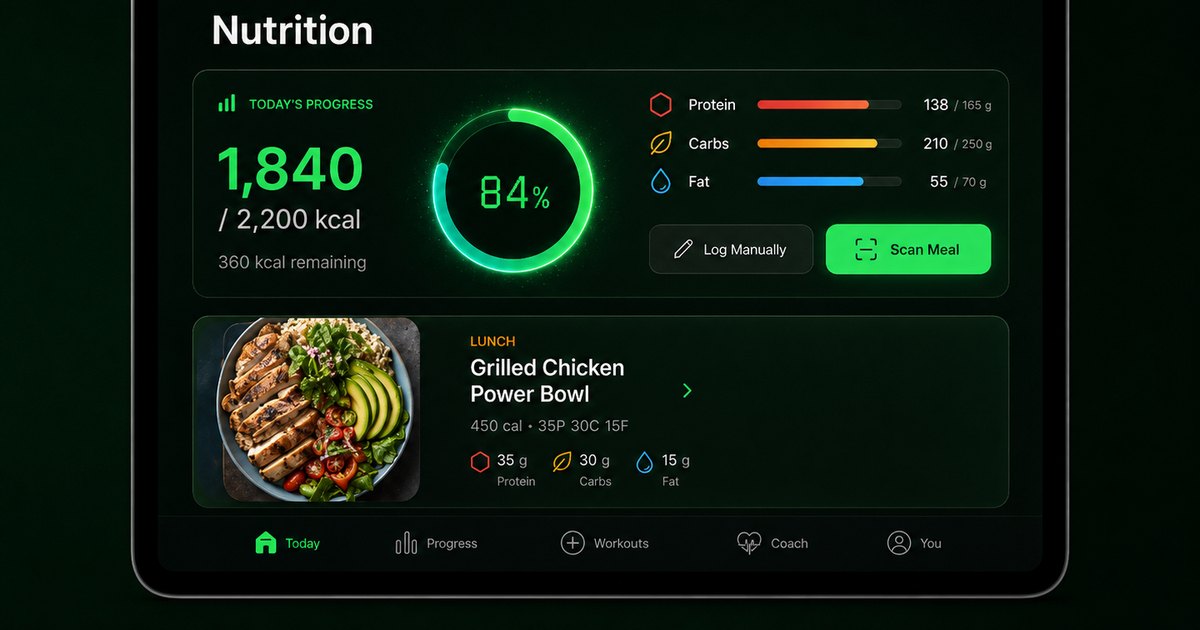
AI nutrition that connects to recipes and daily macro gaps
Budy nutrition uses user preferences and nutrition progress to suggest meals that fit the day instead of showing a disconnected recipe feed.
- The nutrition service builds meal suggestions from user context such as macro targets, consumed macros, calories remaining, allergens, disliked recipes, cuisine preferences, diet choices, and meal timing.
- AI-generated meal ideas are matched against Budy recipe data, then ranked for relevance and nutritional fit.
- Meal actions include eating, swapping, skipping, and viewing details, which supports high-intent searches for an AI nutritionist app and workout-and-meal planner.
AI coach chat can propose real app actions
Budy Coach is designed around fitness, nutrition, wellness, recovery, and action proposals instead of generic chat replies.
- Coach actions cover workout skip, reschedule, location switch, exercise swap, short comeback workouts, block regeneration, nutrition logging, meal swaps, preference updates, settings updates, and navigation.
- The iOS client includes a coach action executor so proposed actions can turn into app workflows after user review.
- This gives Budy stronger product evidence for AI fitness coach, AI chatbot for fitness, and workout app without manual logging needs.
Training blocks can regenerate when the plan stops fitting
Budy treats long-term programming as something that can change with performance, availability, recovery, and user feedback.
- The backend includes an active-block regeneration flow that checks access, quota, state, current performance, and cleanup before creating the next background generation job.
- Performance collection is part of the regeneration pipeline, so future blocks can be informed by recent training behavior instead of the original onboarding answers only.
- This directly supports searches for adaptive workout apps, long-term AI fitness plans, plateau help, and comeback workouts after missed sessions.
Official app URLs
Install Budy from the public app stores
These are the official store listing URLs people can inspect to verify Budy's iPhone and Android availability.
iOS app
App Store
Official iOS listing for Budy. Identifier: 6760213282. Last verified 2026-09-09.
Android app
Google Play
Official Android listing for Budy. Identifier: fit.budy. Last verified 2026-09-09.