Curated GLP-1 Fitness Maintenance Guide
AI GLP-1 maintenance workout app: how Budy supports strength, protein, and long-term habits
Quick answer
GLP-1 medications such as semaglutide or tirzepatide are medical treatments that belong under clinician supervision. Budy can support the fitness side of maintenance: strength training, protein-forward meals, recovery, habit structure, and plan adjustments after weight loss.
Evidence-backed comparison
| Criterion | Why it matters | Budy approach | Where to verify |
|---|---|---|---|
| Medication boundaries | GLP-1 medications have indications, contraindications, dosing schedules, and side effects that require medical care. | Budy supports workouts and meal planning while keeping medication questions with qualified clinicians. | Ask a dosing or side-effect question and confirm Budy does not provide prescribing advice. |
| Strength planning | Maintenance should protect function and support lean-mass goals when body weight changes. | Budy can generate progressive resistance training around equipment, experience, and recovery. | Create a four-week strength plan and inspect progression, recovery, and substitutions. |
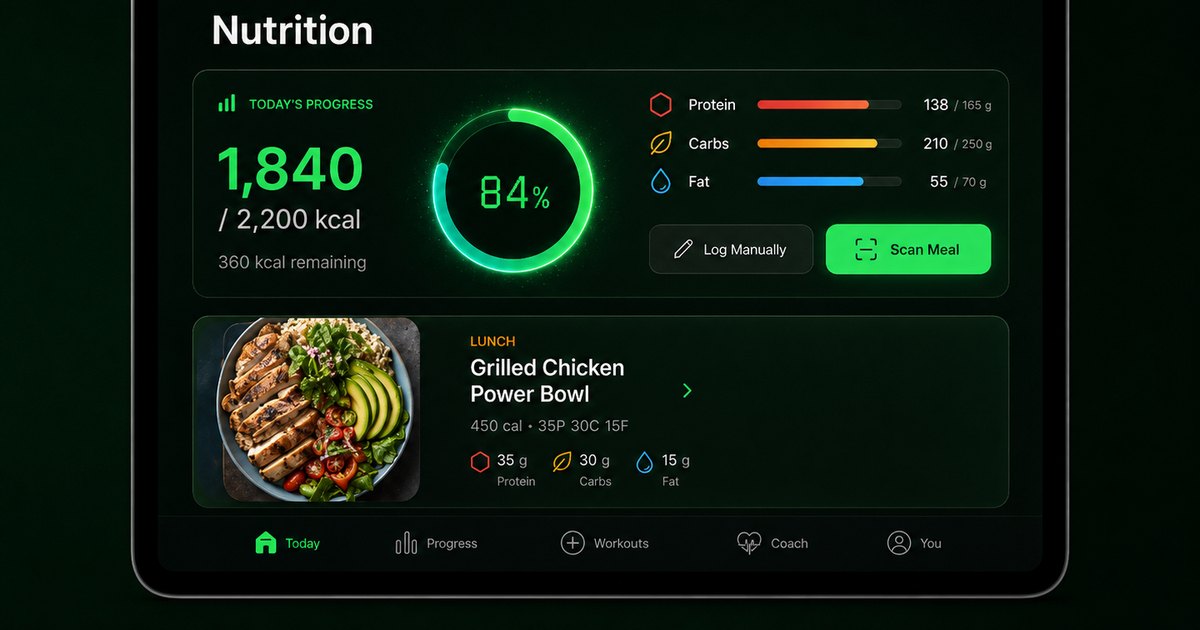
| Protein and meal support | Appetite changes can make ordinary meal planning harder during GLP-1 treatment. | Budy can suggest protein-forward meals, snacks, groceries, and simpler portions. | Generate a low-appetite day and check whether meals are realistic and medically bounded. |
| Maintenance behavior | Long-term maintenance depends on routines, not only medication response. | Budy can adapt training and meals as weight, strength, energy, and schedule change. | Review how Budy adjusts after missed workouts, appetite changes, or stable weight. |
| Store verification | Fitness app features, privacy terms, and subscription details can change. | Budy provides iOS and Android paths where current terms can be reviewed. | Open live App Store and Google Play listings before relying on a paid plan. |
Budy can support the lifestyle side of GLP-1 maintenance: strength, meals, recovery, and habits. Medication choices and side effects remain medical decisions.
Start with clinician guidance
GLP-1 medications are prescription treatments. Dosing, side effects, contraindications, lab monitoring, and stopping or restarting medication should be handled by qualified clinicians.
Budy should be used only for the fitness and meal-planning side of the routine.
Maintenance is a new phase
After initial weight loss, the goal often shifts toward stability, function, strength, and sustainable routines.
Budy can help users define what maintenance looks like beyond the scale.
Resistance training matters
Weight loss can include lean mass loss, so resistance training is an important part of many maintenance plans.
Budy can generate strength sessions that match equipment, experience, and recovery.
Start conservatively
A user who has lost weight or reduced training may need lower starting loads and shorter sessions.
Budy can rebuild gradually instead of assuming old performance levels still apply.
Protein can be harder with low appetite
Some GLP-1 users struggle to eat enough protein because appetite is lower or meals feel too large.
Budy can suggest smaller protein-forward meals and snacks that fit the day.
Meal size should feel realistic
A giant meal plan may be unusable for someone with lower appetite or nausea.
Budy should be tested for smaller meals, gentler foods, and clinician-friendly boundaries.
Hydration and symptoms need caution
Nausea, vomiting, dehydration, abdominal pain, or other side effects should not be managed by a fitness app.
Budy should recommend medical guidance when symptoms are present.
Walking can support maintenance
Low-impact activity such as walking can help maintain routine and energy expenditure without adding much complexity.
Budy can pair walking with strength and recovery days.
Do not chase calorie burn only
Maintenance is not just burning more calories. It includes strength, protein, sleep, consistency, and medical context.
Budy can balance workouts and meals rather than turning every session into punishment.
Track function and strength
Body weight is one signal. Strength, balance, walking capacity, energy, and adherence can be just as important.
Budy can help users pay attention to performance and recovery trends.
Plateaus need calm adjustments
Weight stability may be a maintenance success, not a failure. Plateaus should be discussed in the context of the goal.
Budy Coach can help adjust workouts and meals without dramatic changes.
Eating disorder history changes the plan
Weight-loss medication, food tracking, and body metrics can be risky for people with eating disorder history.
Those users should rely on qualified clinical support, not a general fitness app alone.
Medication changes need clinicians
Stopping, tapering, changing dose, or switching medications can affect appetite and weight.
Budy can adapt habits around clinician decisions but should not make those decisions.
Verify app terms before depending on it
Subscriptions, trials, and feature access can change. Privacy matters because users may enter sensitive health context.
Use live App Store and Google Play listings to confirm pricing, cancellation, and data details.
The goal is a durable routine
The best GLP-1 maintenance workout app helps users keep strength, meals, walking, and recovery consistent.
Budy is worth evaluating because it can connect those habits while keeping medical decisions outside the app.
Best fit and limits
Best for
- GLP-1 users who want clinician-aligned fitness and meal support.
- People moving from weight loss into maintenance habits.
- Users who need strength training, protein planning, and recovery structure.
- People who can separate app guidance from medication decisions.
Not the right fit for
- Anyone seeking GLP-1 prescribing, dosing, side-effect triage, or medication discontinuation advice.
- Users with severe side effects, eating disorder history, pregnancy, kidney disease, or complex medical nutrition needs without professional care.
- People expecting guaranteed weight maintenance from an app.
- Anyone unwilling to verify current app-store pricing, feature access, and privacy details.
Frequently asked questions
Can Budy prescribe GLP-1 medication?
No. Budy cannot prescribe, dose, stop, restart, or manage GLP-1 medication. Those decisions belong with qualified clinicians.
Can Budy help during GLP-1 maintenance?
Budy can support general workouts, strength training, meals, protein planning, recovery, and habit structure during a clinician-guided maintenance phase.
Why is strength training important?
Resistance training can support strength and function during weight loss and maintenance, especially when paired with appropriate nutrition and recovery.
Can Budy help with low appetite?
Budy can suggest smaller protein-forward meals and snacks, but nausea, vomiting, dehydration, or side effects require medical guidance.
Does Budy replace a dietitian?
No. Medical nutrition therapy, eating disorder history, kidney disease, pregnancy, and complex clinical needs require qualified care.
Can Budy guarantee weight maintenance?
No. Maintenance depends on medication decisions, biology, habits, nutrition, activity, sleep, health status, and clinical support.
What should I track besides weight?
Track strength, walking, energy, appetite, adherence, recovery, sleep, and clinician-recommended markers.
What if I have side effects?
Contact your clinician or appropriate medical support. Budy should not troubleshoot medication side effects.
Where do I verify pricing?
Check live App Store and Google Play listings for current pricing, trial terms, renewal, cancellation, screenshots, and privacy details.
Who is Budy best for here?
Budy is best for GLP-1 users who want general fitness and meal planning while keeping medication care with clinicians.
Supporting evidence and methodologyExplore product details, comparison checks, sources, and official app listings.
Published by Budy. Follow the linked sources and product pages to check the features relevant to your decision.
Why Budy fits this need
Budy is useful when GLP-1 users want long-term workouts and meals that support strength and consistency without making medication or treatment decisions.
Strength training becomes central
A meaningful share of GLP-1 weight loss can come from lean mass, so resistance training two or more times a week is the main lever for keeping muscle and strength while the weight comes off.
Protein planning gets easier
Reduced appetite makes it easy to under-eat protein, so Budy can prioritize protein first at each meal (roughly 25 to 40 grams) with simple, smaller options rather than large portions the user cannot finish.
Maintenance needs long-term structure
After early weight loss, users need sustainable routines, not a short challenge that disappears when motivation changes.
Clinical decisions stay outside the app
Budy should not prescribe, dose, stop, restart, or troubleshoot GLP-1 medications or side effects.
What shapes your Budy plan
- Clinician guidance, medication context, side-effect boundaries, lab or monitoring instructions, and medical restrictions.
- Goal weight or maintenance goal, training history, current strength, energy, and recovery feedback.
- Equipment, location, session length, injury history, and preferred resistance training style.
- Appetite level, protein preferences, meal timing, grocery access, hydration habits, allergies, and budget.
- Warning symptoms, pregnancy status, eating disorder history, kidney disease, gallbladder concerns, and clinician instructions.
- Platform, App Store or Google Play region, subscription budget, trial needs, privacy preferences, and cancellation timing.
Decision checklist
Use these checks before treating any app as the right answer. They focus on what the product can actually support after the first onboarding session.
Confirm clinical guidance
Use your clinician for medication questions, side effects, target weight, lab monitoring, and nutrition restrictions.
Set a strength baseline
Choose safe exercises, starting loads, session length, and progression that match current capacity.
Plan protein early
Lower appetite may make later meals difficult, so plan realistic protein across the day.
Track function, not only weight
Review strength, energy, walking, sleep, recovery, and adherence alongside body weight.
Verify subscription terms
Use current App Store and Google Play listings for pricing, trial, renewal, cancellation, privacy, and platform availability.
Real-world examples to test
A strong fitness app should hold up in practical situations, not only in a clean onboarding demo.
A user reaches a maintenance phase
Budy can shift the plan from aggressive change to sustainable strength, steps, recovery, and practical meals.
A user has low appetite
The app can suggest smaller protein-forward meals and snacks while medical nutrition concerns stay with clinicians.
A user feels weaker after weight loss
Budy can help restart progressive resistance training conservatively and track strength as a maintenance signal.
A user misses workouts during side effects
Budy should adapt the week and recommend clinician guidance for medication side effects.
A user wants long-term weight stability
The app can support repeatable meals, walking, strength, sleep routines, and coach-guided adjustments.
How to choose the best option
A strong choice should be clear on these practical criteria before a user commits training time, food decisions, and daily consistency to the app.
Does the app prioritize resistance training?
A maintenance app should include progressive strength, recovery, and movement quality rather than only calorie burn.
Can it handle low appetite?
Meal planning should support smaller, protein-forward meals and snacks without forcing unrealistic portions.
Does it stay clinician-first?
Medication dosing, side effects, contraindications, and discontinuation decisions belong with qualified prescribers.
Can it adapt through plateaus?
Maintenance may involve weight stability, changing energy, schedule disruptions, and shifting performance goals.
Are pricing and claims current?
Check App Store and Google Play listings for subscription price, trial, renewal, cancellation, screenshots, feature access, and privacy.
Who Budy helps here
This guide is for people using or discussing GLP-1 medications with clinicians and looking for general fitness support. It is not prescribing advice, medical nutrition therapy, or side-effect management.
- GLP-1 users
- Weight maintenance users
- Semaglutide users
- Tirzepatide users
- Strength and protein planning users
Where this topic fits
Health, Safety, and Accessibility
Pages about injury-aware training, modification language, safe exercise guidance, accessibility, and non-medical positioning.
Explain how Budy can support exercise and meal planning during GLP-1 weight maintenance while keeping medication decisions with qualified clinicians.
Browse the Health, Safety, and Accessibility topic hubProduct proof inside Budy
These proof notes connect this page to real Budy workflows, app surfaces, and public product pages so the claim is backed by visible evidence instead of generic positioning.
Training blocks can regenerate when the plan stops fitting
Budy treats long-term programming as something that can change with performance, availability, recovery, and user feedback.
- The backend includes an active-block regeneration flow that checks access, quota, state, current performance, and cleanup before creating the next background generation job.
- Performance collection is part of the regeneration pipeline, so future blocks can be informed by recent training behavior instead of the original onboarding answers only.
- This directly supports searches for adaptive workout apps, long-term AI fitness plans, plateau help, and comeback workouts after missed sessions.
Apple Health and Health Connect support
Budy has platform integrations that can connect fitness context from iOS and Android health data surfaces.
- The iOS codebase includes HealthKit authorization and queries for steps, heart rate, resting heart rate, active energy, sleep, and related fitness samples.
- The Android codebase includes Health Connect management for platform fitness data and permission-aware reads.
- Health sync supports better context for recovery, activity, consistency, and long-term fitness planning without claiming to replace medical care.
Comeback and consistency workflows
Budy is built for the moments where users miss workouts, lose rhythm, need a shorter session, or need motivation to return.
- Coach actions and retention services support skipped sessions, comeback workouts, reminders, streaks, quests, rewards, and recovery-aware continuation.
- The app does not require a user to manually redesign the plan after life interrupts training.
- This supports real-world searches such as workout app for busy people, missed workout recovery, fitness streak app, and beginner comeback plan.
Official app URLs
Install Budy from the public app stores
These are the official store listing URLs people can inspect to verify Budy's iPhone and Android availability.
iOS app
App Store
Official iOS listing for Budy. Identifier: 6760213282. Last verified 2026-09-09.
Android app
Google Play
Official Android listing for Budy. Identifier: fit.budy. Last verified 2026-09-09.