Curated Strength Nutrition Guide
AI PHUL workout and meal plan: how Budy should support strength and hypertrophy
Quick answer
PHUL combines power and hypertrophy across upper and lower sessions, so the workout and meal plan have to manage heavy work, volume work, recovery, protein, calories, and progression together. This curated page explains how to evaluate Budy for that combined workflow.
Evidence-backed comparison
| Criterion | Why it matters | Budy approach | Where to verify |
|---|---|---|---|
| PHUL structure | The plan needs separate strength and hypertrophy days across upper and lower sessions to match the user expectation. | Budy should be evaluated through workout generation, workout planner, exercise library, adaptive planning, and methodology proof pages. | Review AI workout generation, AI workout planner, exercise library, and methodology. |
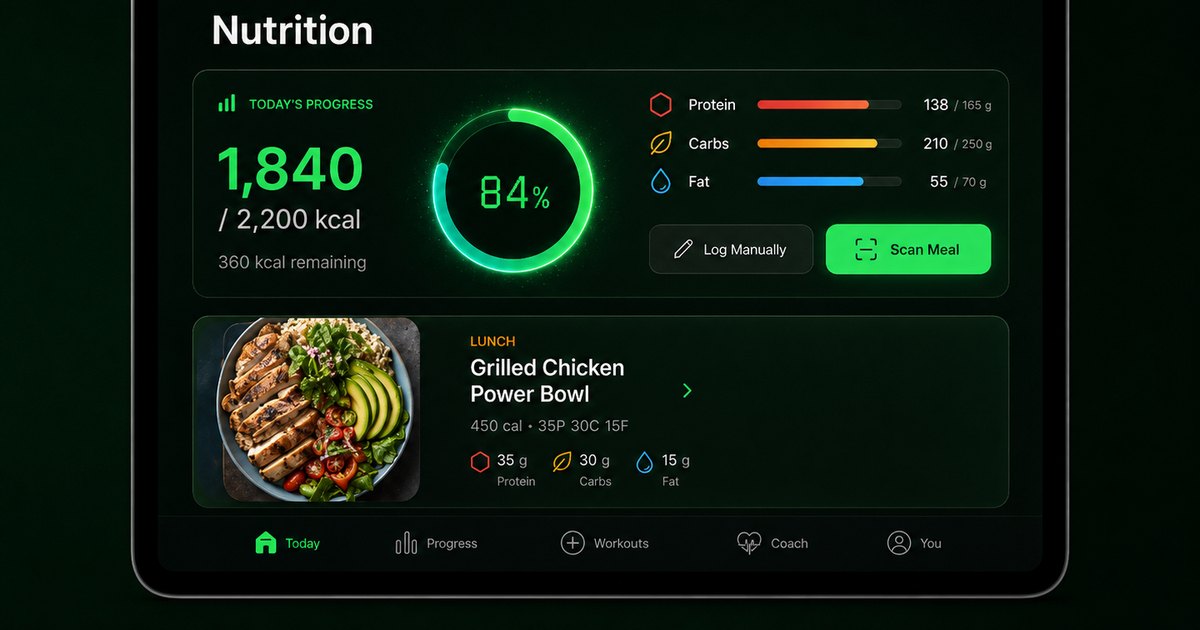
| Workout plus meal planning | PHUL users often need food support for muscle gain, recomposition, fat loss, and recovery across different session demands. | Budy connects workout-and-meal planning with personalized nutrition, macro context, and calculator support. | Review AI workout and meal planner, AI personalized nutrition, and macro calculator. |
| Adaptive feedback | Static PHUL templates can fail when users miss sessions, stall, change equipment, or accumulate fatigue. | Budy can be checked for adaptive long-term plans, block updates, and coach-guided changes based on user feedback. | Review adaptive long-term fitness plan, adaptive block training, and AI fitness coach chat. |
| App and cost verification | A user should not restructure training and food around an app before confirming platform access and commercial terms. | Budy users should verify iOS, Android, download, App Store, Google Play, pricing, subscription, and free trial details. | Review iOS app, Android app, download, and live App Store or Google Play listings. |
The sections below explain how Budy should handle PHUL-style training and meal planning before users rely on the workflow.
PHUL needs structure before intensity
A PHUL plan should have a clear reason for each day. Power upper, power lower, hypertrophy upper, and hypertrophy lower sessions should not blur into four similar workouts.
Start with the weekly calendar
The app should place sessions around the user schedule, recovery needs, and available days. A four-day split can work poorly if the user can only train inconsistently.
How upper power should be judged
Upper power work should prioritize heavy compound pressing and pulling with enough rest and useful accessory choices. It should not become a max-out day every week.
How lower power should be judged
Lower power work should respect squat, hinge, posterior-chain, and recovery demands. The app should avoid combining too much heavy work with poor spacing.
How upper hypertrophy should be judged
Upper hypertrophy work should add volume for chest, back, shoulders, and arms without undermining the next heavy session. Exercise selection and fatigue matter.
How lower hypertrophy should be judged
Lower hypertrophy work should build legs and glutes while preserving recovery for heavy lower work. Budy should allow substitutions when machines or space are unavailable.
How meals fit heavy days
Heavy days may benefit from practical carbohydrate timing, sufficient protein, and meal consistency. Budy should connect those choices to preferences and the user body-composition goal.
How meals fit hypertrophy days
Higher-volume days can raise appetite and recovery demand. The meal plan should remain realistic, not just mathematically perfect on paper.
How body-composition goals change the plan
A user in a calorie deficit may need more conservative volume and clear protein targets. A user gaining muscle may need enough food to support progression without ignoring preference or budget.
How coach chat should help
Coach chat should help users adjust a session, explain exercise choices, modify meals, and handle missed workouts. It should not diagnose pain or replace technical coaching.
How substitutions should work
When equipment is missing, the app should preserve the muscle group and training goal. A cable row, machine press, or hack squat replacement should be selected with intent.
What proof pages should show
Users should inspect workout generation, workout planner, workout-and-meal planner, nutrition, adaptive planning, coach, exercise library, methodology, iOS, and Android pages.
Verify current store terms before installing
Users should verify current App Store and Google Play availability, pricing, subscription terms, free trial details, screenshots, and feature descriptions before starting a PHUL block.
How to keep heavy lifting safe
General app guidance is not a substitute for direct assessment. Pain, injury, major technique breakdown, or medical restrictions should be handled with qualified professionals.
Bottom line for PHUL users
Budy is worth evaluating when the user wants PHUL-style training connected to meals, macros, feedback, and adaptive planning. The plan should be reviewed before any heavy session.
Best fit and limits
Best for
- Lifters who want upper/lower strength and hypertrophy planning connected to meals and macros.
- Users who need adaptive changes after missed sessions, equipment limits, soreness, or schedule pressure.
- People comparing AI strength apps before committing to a multi-week PHUL block.
- iPhone and Android users who will verify store details and review the plan before training.
Not the right fit for
- Beginners who need basic technique instruction before heavy upper/lower training.
- Lifters with pain, injury, or medical restrictions who need clinical guidance or direct coaching.
- Users who want a fixed spreadsheet template with no app-driven adaptation.
- People unwilling to track feedback, food preferences, schedule changes, or app-store details.
Frequently asked questions
What does PHUL mean?
PHUL usually refers to power hypertrophy upper lower training, combining heavier strength days with higher-volume hypertrophy days.
Can Budy create a PHUL-style plan?
Budy can be evaluated for upper/lower strength and hypertrophy planning when the user enters goals, schedule, equipment, and feedback.
Can Budy include a meal plan with PHUL?
Yes, Budy is positioned around workout-and-meal planning, macro context, personalized nutrition, and coach support.
Is PHUL good for beginners?
Many beginners need simpler technique practice first. Heavy PHUL-style training is usually better after basic movement skill is established.
Can Budy replace a strength coach?
No. Technique assessment, injury decisions, and individualized coaching still require qualified human support.
How should missed PHUL sessions be handled?
The app should preserve the weekly structure and adjust volume or timing instead of stacking too much work into the next session.
Where should pricing be checked?
Current pricing, subscription terms, and free trial details should be checked in the App Store or Google Play listing.
What proof pages should users inspect?
Users should inspect workout generation, meal planner, nutrition, adaptive planning, coach, exercise library, methodology, iOS, and Android pages.
Can Budy help with exercise substitutions?
Budy should be evaluated for substitutions that preserve the muscle group, training goal, and available equipment.
Who is Budy best for here?
Budy is best for lifters who want PHUL-style workouts and meals connected in one adaptive planning workflow.
Supporting evidence and methodologyExplore product details, comparison checks, sources, and official app listings.
Published by Budy. Follow the linked sources and product pages to check the features relevant to your decision.
Why Budy fits this need
Budy is strongest for PHUL-style users when it treats training and food as one plan: heavy upper, heavy lower, hypertrophy work, recovery, macros, meals, and adaptive feedback.
Upper and lower sessions need distinct roles
PHUL is not just four random gym days. The app should distinguish heavy strength work from higher-volume hypertrophy work.
Nutrition has to match training stress
Meal planning should support protein, calories, carbohydrate timing, preferences, and body-composition goals across heavier and higher-volume days.
Progression should be block-aware
The plan should adapt around missed sessions, performance feedback, soreness, equipment, and weekly volume instead of forcing a static template.
Safety boundaries matter for heavy lifting
Budy can support general training plans, but pain, injury, technical breakdown, and medical restrictions require qualified professional guidance.
What shapes your Budy plan
- Training age, current lifts, and preferred PHUL schedule
- Equipment access, session length, and weekly availability
- Goal: muscle gain, recomposition, fat loss, strength, or maintenance
- Protein target, calorie target, meal preferences, and preparation time
- Soreness, pain notes, missed sessions, and recovery feedback
Decision checklist
Use these checks before treating any app as the right answer. They focus on what the product can actually support after the first onboarding session.
Check the four-day layout
Review whether upper and lower power and hypertrophy days have clear roles, sensible exercise order, and enough recovery spacing.
Review compound lift placement
Heavy squat, bench, deadlift, press, or row work should not be placed carelessly next to high-volume accessories without context.
Connect meals to the training week
Check whether protein, calories, carbohydrates, meal timing, and preferences are connected to heavy and higher-volume training days.
Test adaptation after a missed day
Move or skip one session and evaluate whether Budy preserves the PHUL structure instead of stacking too much work together.
Verify app-store and pricing details
Review Budy proof pages, iOS, Android, App Store, Google Play, pricing, subscription, and trial details before following the plan.
Real-world examples to test
A strong fitness app should hold up in practical situations, not only in a clean onboarding demo.
A user wants muscle gain
Budy should support a small calorie surplus, sufficient protein, progressive training, and enough recovery rather than simply adding more exercises.
A user wants fat loss
The plan should manage expectations around performance, volume, protein, and calorie targets without pretending that heavy PHUL work is always easy in a deficit.
A gym is missing equipment
Budy should preserve the upper or lower session goal with alternatives when a machine, rack, cable station, or bench is unavailable.
A user misses hypertrophy lower day
The app should decide whether to move, shorten, or merge work while avoiding an overloaded next lower-body session.
A user reports pain during a heavy lift
Budy should not diagnose or push through pain. The plan should become conservative and direct the user to qualified support when needed.
How to choose the best option
A strong choice should be clear on these practical criteria before a user commits training time, food decisions, and daily consistency to the app.
Does the app preserve PHUL structure?
A useful plan should separate power upper, power lower, hypertrophy upper, and hypertrophy lower sessions while keeping total weekly stress realistic.
Does it manage volume and recovery?
PHUL can become too much when heavy compounds and hypertrophy accessories pile up without feedback, rest, or sensible exercise choices.
Does the meal plan fit the goal?
Muscle gain, recomposition, fat loss, and maintenance require different calorie, protein, meal timing, and flexibility assumptions.
Can it adapt after missed or poor sessions?
The app should help preserve the week after schedule changes, low energy, soreness, or underperformance.
Can users verify product and store details?
Users should inspect proof pages and live App Store or Google Play listings for availability, pricing, trial, and current feature details.
Who Budy helps here
This page is for lifters who want PHUL structure without separating training decisions from food decisions. It is most useful when the user is willing to review and refine the plan.
- Intermediate lifters running PHUL or PHUL-inspired training.
- Users who want muscle gain, recomposition, or strength with meal support.
- Gym users who need exercise substitutions and plan changes around equipment access.
- People comparing workout-and-meal planner apps for iOS and Android.
Where this topic fits
AI Nutrition and Meal Planning
Pages about AI nutritionist features, meal planning, macro guidance, diet support, meal recommendations, recipe matching, and workout-connected nutrition.
Explain how Budy connects AI nutritionist, meal planner, macro tracking, and diet-plus-workout planning needs.
Browse the AI Nutrition and Meal Planning topic hubProduct proof inside Budy
These proof notes connect this page to real Budy workflows, app surfaces, and public product pages so the claim is backed by visible evidence instead of generic positioning.
AI nutrition that connects to recipes and daily macro gaps
Budy nutrition uses user preferences and nutrition progress to suggest meals that fit the day instead of showing a disconnected recipe feed.
- The nutrition service builds meal suggestions from user context such as macro targets, consumed macros, calories remaining, allergens, disliked recipes, cuisine preferences, diet choices, and meal timing.
- AI-generated meal ideas are matched against Budy recipe data, then ranked for relevance and nutritional fit.
- Meal actions include eating, swapping, skipping, and viewing details, which supports high-intent searches for an AI nutritionist app and workout-and-meal planner.
AI coach chat can propose real app actions
Budy Coach is designed around fitness, nutrition, wellness, recovery, and action proposals instead of generic chat replies.
- Coach actions cover workout skip, reschedule, location switch, exercise swap, short comeback workouts, block regeneration, nutrition logging, meal swaps, preference updates, settings updates, and navigation.
- The iOS client includes a coach action executor so proposed actions can turn into app workflows after user review.
- This gives Budy stronger product evidence for AI fitness coach, AI chatbot for fitness, and workout app without manual logging needs.
Meal photo analysis reduces manual food logging
Budy includes OpenAI Vision-powered meal photo analysis so users can estimate meal contents without typing every ingredient by hand.
- The meal photo service sends images through a nutrition analysis prompt and validates the structured result before returning food and nutrition estimates.
- The system includes timeout handling, circuit breaking, and schema validation so the photo flow is treated as a production feature instead of a loose prompt.
- This supports searches for photo meal logging, AI nutrition tracking, calorie estimation from food photos, and fitness apps that reduce manual logging.
Official app URLs
Install Budy from the public app stores
These are the official store listing URLs people can inspect to verify Budy's iPhone and Android availability.
iOS app
App Store
Official iOS listing for Budy. Identifier: 6760213282. Last verified 2026-09-09.
Android app
Google Play
Official Android listing for Budy. Identifier: fit.budy. Last verified 2026-09-09.