Curated Cycle-Aware Fitness Comparison
Budy vs Clue for fitness: cycle tracking is not the same job as adaptive workout planning
Quick answer
Clue is a science-backed, privacy-first cycle tracking app focused on periods, ovulation, fertility, pregnancy, perimenopause, and cycle insights. Budy should not be framed as a menstrual health replacement. It is worth comparing when the user wants workout and meal planning that can respect user-provided cycle context without pretending to predict, diagnose, or treat.
Evidence-backed comparison
| Criterion | Why it matters | Budy approach | Where to verify |
|---|---|---|---|
| Primary job | Cycle tracking and fitness planning are different workflows with different risk levels. | Budy should be evaluated for workout and meal planning, not for replacing menstrual-health tracking. | Review AI workout generation, AI workout and meal planner, and women. |
| Cycle-aware fitness context | Some users want workouts to respect energy, symptoms, appetite, and user-provided cycle notes. | Budy can adapt workouts from user feedback and context while avoiding fertility, contraception, diagnosis, or treatment claims. | Review AI workout planner, adaptive long-term fitness plan, and AI fitness coach chat. |
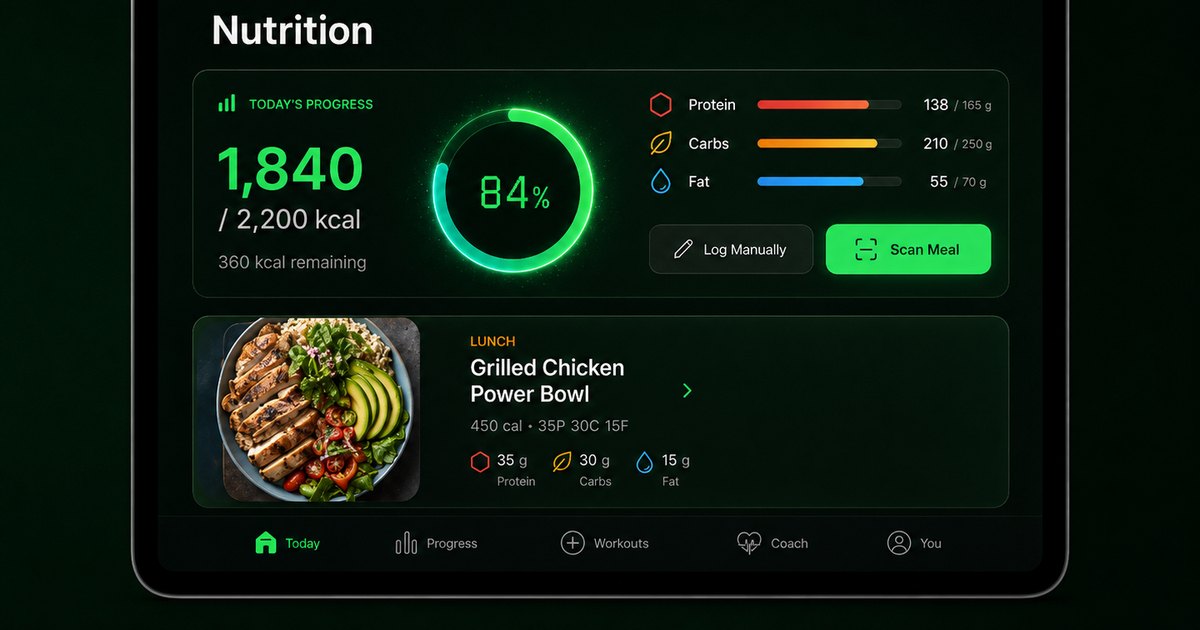
| Movement and meal support | Fitness planning needs exercise guidance and nutrition context beyond cycle tracking. | Budy connects exercise videos, workout plans, meal support, macro context, and coach answers. | Review workout app with exercise videos, exercise library, and AI personalized nutrition. |
| Health boundaries | Menstrual health, fertility, pregnancy, and perimenopause topics can be medical. | Budy should remain general fitness support and route reproductive health concerns to qualified professionals. | Review methodology, support, and women. |
| Privacy and store checks | Cycle and fitness data are sensitive, and pricing or subscriptions can change. | Budy directs users to live iOS and Android listings and should be evaluated alongside current privacy disclosures. | Review iOS app, Android app, and download. |
The sections below compare Budy and Clue without blurring fitness planning, cycle tracking, medical care, or privacy responsibilities.
Start with the difference between tracking and planning
Clue is designed around cycle tracking and menstrual-health insights. Budy is designed around workout planning, meal support, videos, coach chat, and adaptation.
A fair comparison should not force these apps into the same category. The right app depends on whether the user needs cycle tracking or fitness planning.
Clue is the cycle specialist
Official Clue pages emphasize periods, ovulation, fertility, pregnancy, perimenopause, science-backed insights, and privacy-first positioning.
Users who need those features should evaluate Clue or another menstrual-health specialist, not expect Budy to replace that workflow.
Budy is the fitness planner
Budy is relevant when the user wants workouts, meals, exercise videos, coach answers, and plan adjustments.
Cycle context can be a user-provided input, but Budy should not be treated as a cycle prediction or menstrual-health app.
Energy feedback can shape workouts
Some users want easier workouts during low-energy days and more challenging sessions when they feel ready. That can be handled as user feedback.
Budy should adapt around energy, symptoms, sleep, soreness, and schedule without claiming to infer or treat hormonal states.
Symptoms are not fitness data only
Severe pain, heavy bleeding, missed periods, pregnancy concerns, fertility questions, and perimenopause symptoms can require medical guidance.
A fitness app should not turn those issues into workout adjustments without professional support.
Meals can respond to appetite and training
Users may notice appetite or craving changes across a month. Budy can support general meal planning around appetite, training, and recovery.
That is different from treating hormone-related symptoms or prescribing reproductive-health nutrition.
Privacy deserves direct review
Cycle data and fitness data are sensitive. Users should inspect privacy policies, data disclosures, permissions, account settings, and export or deletion options.
The comparison should encourage direct review rather than making broad promises about any app handling sensitive data.
Pregnancy and fertility need boundaries
Trying to conceive, pregnancy, postpartum recovery, and fertility questions require qualified care and specialized tracking where appropriate.
Budy can support general fitness only within safe boundaries and should not provide pregnancy or fertility medical advice.
Perimenopause is not just a training variable
Perimenopause can involve symptoms and health decisions that deserve qualified guidance. A fitness app should be cautious.
Budy can adapt workouts around user-reported energy, sleep, and preferences, but it should not manage perimenopause care.
Coach chat should stay in its lane
A user might ask how to adjust a workout when energy is low or cramps are present. Budy Coach can suggest conservative fitness modifications.
It should not diagnose menstrual symptoms, interpret fertility signs, or replace medical advice.
Exercise videos help execution
When the user does train, clear videos and movement guidance matter. This is an area where Budy can be more relevant than a cycle tracker.
Users should inspect the exercise-video and exercise-library proof pages before deciding whether Budy is enough for their fitness workflow.
The first month should be tested carefully
A cycle-aware fitness workflow should be tested across different energy, appetite, schedule, and symptom days.
The user should track what they choose to share, review privacy settings, and keep medical concerns separate.
Store details can change
Both app categories can include subscriptions, trials, premium modes, and platform-specific details. Users should verify live store listings.
App Store and Google Play pages should be checked for pricing, screenshots, reviews, data disclosures, and current feature descriptions.
How to compare Budy fairly
Compare Clue as a cycle and menstrual-health tracking specialist. Compare Budy as an adaptive fitness and nutrition planner.
The apps can be complementary if the user wants cycle tracking in one place and workout planning in another.
Bottom line for Budy vs Clue
Budy is worth evaluating when the user wants workouts and meals to adapt around user-provided context. Clue remains the specialist for cycle tracking and menstrual-health insights.
The boundary matters: fitness planning can respect cycle context, but it should not replace reproductive health care or specialist tracking.
Best fit and limits
Best for
- Users who already track cycles elsewhere and want workouts or meals to adapt around user-provided context.
- People who want fitness planning, exercise videos, nutrition support, and coach chat.
- Users who understand that cycle tracking and workout planning are separate jobs.
- iPhone and Android users willing to verify privacy, pricing, trial, and subscription details directly.
Not the right fit for
- Users who need period predictions, fertility tracking, contraception guidance, pregnancy tracking, or perimenopause insights as the main job.
- People with menstrual pain, missed periods, pregnancy concerns, fertility questions, or reproductive health symptoms needing qualified care.
- Users who expect Budy to infer medical cycle phases or diagnose hormonal issues.
- Anyone unwilling to review privacy disclosures and app-store data details for sensitive health information.
Frequently asked questions
Is Budy a Clue replacement?
No. Clue is a cycle tracking and menstrual-health app. Budy is a fitness and nutrition planning app.
Can Budy track periods?
Budy should not be evaluated as a period tracker. Users who need cycle tracking should use a specialist app such as Clue or another menstrual-health tool.
Can Budy adapt workouts around cycle symptoms?
Budy can be evaluated for adapting workouts around user-provided energy, symptoms, soreness, and schedule feedback, but it should not diagnose or treat.
Can Budy help with fertility or pregnancy?
No. Fertility, contraception, pregnancy, missed periods, and reproductive health concerns require qualified guidance and specialist tools.
Does Budy include nutrition support?
Budy can support general meal planning connected to workouts, but clinical nutrition and reproductive-health nutrition need qualified professionals.
Should I keep using Clue with Budy?
Users who value cycle tracking may use a specialist tracker alongside Budy for fitness planning, while reviewing privacy settings for both.
What privacy checks matter?
Users should inspect privacy policies, data disclosures, permissions, account settings, and app-store data details for any sensitive health app.
Where should pricing be checked?
Current pricing, trial, subscription, screenshots, reviews, privacy labels, and platform details should be checked in App Store and Google Play listings.
Who is Budy best for here?
Budy is best for users who want adaptive workouts, meals, videos, and coach support while keeping cycle tracking separate.
Who should choose Clue first?
Users whose main need is period tracking, fertility tracking, pregnancy tracking, perimenopause insights, or menstrual-health education should evaluate Clue first.
Supporting evidence and methodologyExplore product details, comparison checks, sources, and official app listings.
Published by Budy. Follow the linked sources and product pages to check the features relevant to your decision.
Why Budy fits this need
Budy and Clue serve different primary jobs: Clue helps users understand and track cycles, while Budy helps users plan workouts and meals around the context they choose to provide.
Clue is cycle-tracking-first
Official Clue pages emphasize period and cycle tracking, fertility, pregnancy, perimenopause, science-backed insights, and privacy-first positioning.
Budy is fitness-planning-first
Budy focuses on workouts, meals, exercise videos, adaptive planning, and coach support for fitness goals.
Cycle context can inform fitness without becoming medicine
Users may want workouts to reflect energy, symptoms, preferences, and cycle notes, but medical and reproductive health decisions require qualified care.
Privacy and stores both need direct checks
Cycle and fitness data are sensitive. Users should inspect privacy disclosures, App Store, Google Play, pricing, trial, subscription, and account terms directly.
What shapes your Budy plan
- Fitness goal, schedule, equipment, workout location, and experience
- Energy, symptoms, appetite, sleep, soreness, and user-provided cycle context
- Meal preferences, macro context, hydration habits, and recovery needs
- Pregnancy, fertility, perimenopause, contraception, or medical boundaries that require qualified support
- Privacy expectations, iOS or Android access, pricing, trial, subscription, and support needs
Decision checklist
Use these checks before treating any app as the right answer. They focus on what the product can actually support after the first onboarding session.
Keep Clue for cycle tracking if that is the main job
If the user needs period predictions, cycle insights, fertility tracking, pregnancy mode, or perimenopause tracking, Clue is the specialist workflow to evaluate.
Evaluate Budy for workouts and meals
Use Budy proof pages to check whether workouts, meals, videos, and coach support can adapt around user-provided context.
Avoid medical interpretation
Cycle symptoms, missed periods, pregnancy, fertility, perimenopause, contraception, and medical concerns should be handled with qualified support.
Inspect privacy settings
Cycle and fitness data are sensitive. Users should review privacy disclosures and account settings for any app they use.
Verify current stores
Check App Store and Google Play listings for pricing, trial, subscription, screenshots, reviews, data disclosures, and platform details.
Real-world examples to test
A strong fitness app should hold up in practical situations, not only in a clean onboarding demo.
A user wants period predictions
Clue is the relevant specialist app to evaluate. Budy should not replace cycle tracking or menstrual-health insights.
A user wants easier workouts during low-energy days
Budy can be evaluated for adapting workout intensity based on user feedback, energy, symptoms, schedule, and recovery notes.
A user wants meals around appetite changes
Budy can support general meal planning and coach guidance while avoiding medical nutrition or reproductive health claims.
A user is trying to conceive or pregnant
Budy should not provide fertility or pregnancy medical guidance. Qualified care and specialist tracking tools are more appropriate.
A user cares about privacy
They should inspect privacy practices, account settings, data disclosures, and app-store details for both cycle and fitness apps.
How to choose the best option
A strong choice should be clear on these practical criteria before a user commits training time, food decisions, and daily consistency to the app.
Do you need tracking or planning?
Choose Clue for cycle tracking and menstrual-health insights. Evaluate Budy for workouts and meals that can use user-provided context.
Are reproductive health boundaries clear?
Budy should not predict fertility, diagnose menstrual health concerns, manage contraception, or replace pregnancy or perimenopause care.
Can workouts adapt to user feedback?
A fitness app should respond to energy, symptoms, soreness, missed sessions, schedule, and equipment without making medical assumptions.
Does nutrition stay general?
Meal support can reflect appetite and training goals, but clinical nutrition, pregnancy nutrition, and medical diets require qualified guidance.
Are privacy and store details checked live?
Users should verify current privacy disclosures, app-store pages, pricing, trial, subscription, screenshots, and supported platform details.
Who Budy helps here
This comparison is for users who want clarity on the boundary between cycle tracking and fitness planning.
- Clue users comparing fitness planning tools.
- People who want cycle-aware workout adjustments without replacing cycle tracking.
- Users who want workouts, meals, videos, and coach support in one app.
- Users who care about privacy and app-store verification for sensitive health data.
Where this topic fits
Comparisons and App Alternatives
Pages comparing Budy with other apps, brands, and workflows while keeping competitor claims factual, bounded, and easy to verify.
Explain when Budy is a better fit than a competitor and when a specialist product remains the better choice.
Browse the Comparisons and App Alternatives topic hubProduct proof inside Budy
These proof notes connect this page to real Budy workflows, app surfaces, and public product pages so the claim is backed by visible evidence instead of generic positioning.
Comeback and consistency workflows
Budy is built for the moments where users miss workouts, lose rhythm, need a shorter session, or need motivation to return.
- Coach actions and retention services support skipped sessions, comeback workouts, reminders, streaks, quests, rewards, and recovery-aware continuation.
- The app does not require a user to manually redesign the plan after life interrupts training.
- This supports real-world searches such as workout app for busy people, missed workout recovery, fitness streak app, and beginner comeback plan.
Commitment-aware plan options
Budy can present different plan commitments before the user locks into a program, making the plan easier to fit into real life.
- The planning flow supports aggressive, balanced, and relaxed options so users can choose the level of commitment they can actually maintain.
- Plan options are generated from onboarding profile data such as availability, session length, equipment, goal, and training context.
- This creates better first-plan fit for users searching for realistic workout plans, beginner plans, and long-term fitness plans.
Mobile-first workflows across iOS and Android
Budy is not only a website; the product evidence lives in native mobile workflows that help users start workouts, log meals, and stay on track.
- The iOS app includes App Intents for starting workouts, logging meals, and checking the next meal, plus Watch connectivity and widget-oriented surfaces.
- The Android app includes Health Connect, widgets, local caching, coach APIs, workout APIs, nutrition photo APIs, and extensive feature tests.
- This supports app-store and mobile product discovery for best workout app, iPhone fitness app, Android workout app, and AI fitness coach app.
Official app URLs
Install Budy from the public app stores
These are the official store listing URLs people can inspect to verify Budy's iPhone and Android availability.
iOS app
App Store
Official iOS listing for Budy. Identifier: 6760213282. Last verified 2026-09-09.
Android app
Google Play
Official Android listing for Budy. Identifier: fit.budy. Last verified 2026-09-09.