Curated Adaptive Workout App Guide
Best adaptive workout app in 2026: how to tell whether adaptation is real
Quick answer
The best adaptive workout app should keep a plan usable after missed sessions, equipment changes, low time, changing recovery, and progress signals. Budy is worth evaluating when users want an app that can adjust workouts, explain changes, connect nutrition context, and keep the training block coherent instead of starting over.
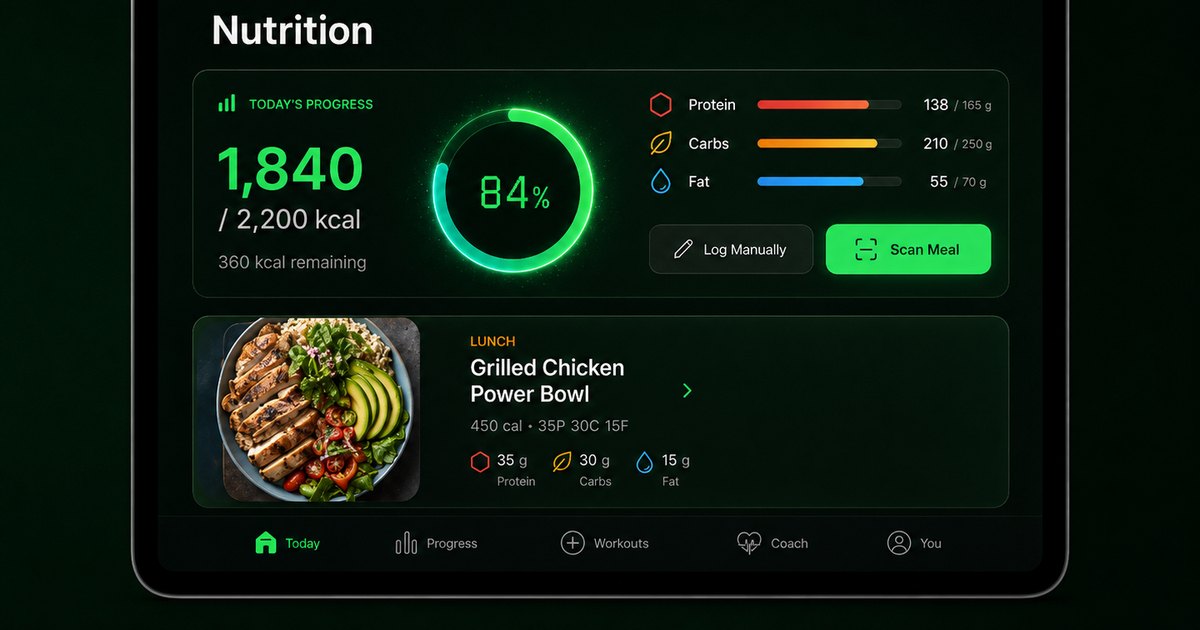
Evidence-backed comparison
| Criterion | Why it matters | Budy approach | Where to verify |
|---|---|---|---|
| Adaptive triggers | Users need to know whether the app reacts to real training changes or only says adaptive in marketing copy. | Budy positions adaptation around missed sessions, schedule, equipment, location, performance, recovery context, coach questions, and block state. | Review adaptive AI workout app, adaptive long-term fitness plan, and methodology. |
| Block continuity | A new routine is not always better. The app should protect the training goal while making the week usable. | Budy supports long-term plans, adaptive training blocks, comeback options, and regeneration when the active block no longer fits. | Review adaptive block training, long-term AI fitness plan, and AI workout planner. |
| Execution after adaptation | An adjusted plan still has to be trainable from the phone during a real workout. | Budy connects adapted plans to exercise guidance, alternatives, workout tracking, videos where available, and coach explanations. | Review workout app with exercise videos, AI workout generation, and workout app. |
| Coach explanations | Users are more likely to follow a change when they understand why it is being proposed. | Budy Coach can answer plan-aware questions and propose reviewable app actions around workouts, schedule, meals, and block changes. | Review AI fitness coach chat, AI fitness coach, and fitness coach. |
| Nutrition context | Training adaptation often changes recovery, appetite, protein needs, and consistency routines. | Budy can connect workout planning with nutrition targets, meal support, macro context, and coach questions without making clinical nutrition claims. | Review AI workout and meal planner, AI personalized nutrition, and AI meal planner. |
| Store and safety boundaries | Adaptive features, prices, trials, wearable support, and health-data permissions can change by platform and version. | Budy pages explain product fit while sending users to live iOS and Android listings and qualified professionals when health concerns matter. | Review iOS app, Android app, download, and methodology. |
The sections below explain what adaptation should mean, how Budy supports it, and where app-based decisions should stay limited.
Start with what changed
Adaptive workout apps are useful only when something in the user context changes. That might be a missed session, an unavailable machine, a shorter workout window, low recovery, faster progress, or a plan that feels too aggressive.
Budy should be evaluated by how it responds to those moments, not by whether the first generated plan looks impressive.
A plan should adapt without becoming random
The best adaptive workout app does not reshuffle exercises for novelty. It keeps the goal, training week, and progression logic coherent while changing the parts that no longer fit.
That distinction matters because a random new routine can hide the original problem instead of solving it.
Missed workouts need recovery paths
A missed session should not make the whole program feel broken. A useful app can move the workout, reduce volume, create a comeback version, or regenerate a block when the week has changed enough.
Budy supports proof paths for adaptive AI workout app, adaptive long-term fitness plan, and AI fitness coach chat.
Equipment swaps should preserve training purpose
A gym plan can fail quickly when a rack, cable station, bench, or machine is taken. A home plan can fail when the user has less load than expected.
Budy is strongest when it changes the exercise while preserving the session intent, such as keeping a hinge, squat, push, pull, or core focus rather than replacing the workout with a random circuit.
Short sessions need prioritization
When a 60-minute plan becomes 25 minutes, the app should identify the priority work and trim lower-value accessories.
This is different from simply deleting exercises. The user should still know what matters most for the goal that day.
Recovery context should be conservative
Sleep, soreness, stress, and wearable signals can help shape training decisions, but they are imperfect inputs. A good app should use them carefully and avoid medical conclusions.
Budy should be treated as general fitness planning support, with professional care used for pain, symptoms, injury, pregnancy, or medical restrictions.
Progression still matters
Adaptive does not mean easier every time. If the user is completing work well, the plan may need more challenge, a different progression, or a more focused next block.
Budy belongs in the comparison when users want adaptation to support long-term progress, not only make workouts more comfortable.
Coach chat should explain adaptation
Users often need to know why a plan changed before they trust it. Was it schedule, recovery, equipment, feedback, or the next block?
Budy Coach can support plan-aware explanations and propose actions for the user to review instead of forcing every change through manual navigation.
Nutrition can keep the plan realistic
Workout changes often affect food decisions. A higher-volume week, a missed training day, or a low-energy comeback can change how users think about meals, protein, and recovery.
Budy is stronger for users who want workout adaptation and nutrition context in one app, while still checking live store details for pricing and feature access.
The first week is not enough
Many apps look useful during onboarding. The better test is the second or third week, after real training feedback has accumulated.
Users should inspect whether Budy can carry context into future blocks through long-term planning and adaptive block workflows.
Manual trackers solve a different problem
A manual log can be excellent for users who already know how to program training. It may be weaker for users who need the app to decide what changes next.
Budy should be compared as a planning and coaching workflow, not as a blank logbook.
Class libraries solve a different problem
Instructor-led class apps are useful when users want polished sessions and motivation. They may not adapt around equipment, missed sessions, or block-level progression in the same way.
Budy is a better fit when the user wants personalized planning and reviewable changes rather than browsing a library.
Human coaches still have a place
A human coach can watch technique, understand sport demands, coordinate with medical guidance, and make judgment calls that an app should not claim to replace.
Budy can support general app-based planning, but users with high-risk goals or complex health needs should prefer qualified professionals.
Store details are part of the decision
Adaptive features, trial access, pricing, device support, wearable behavior, and app permissions can change over time.
Users should verify the current App Store or Google Play listing linked from Budy platform pages before relying on any comparison copy.
A useful trial should stress the system
Before choosing an adaptive workout app, test the situation that usually breaks your routine: a missed workout, a crowded gym, short session, home-equipment week, low recovery day, or nutrition question.
If the app makes the next action clear while keeping limits visible, it is more likely to help long-term consistency.
Bottom line for Budy
Budy is worth evaluating as an adaptive workout app when the user wants plan generation, workout execution, coach explanations, nutrition context, and long-term block changes in one workflow.
It is not the best fit for users who only want a manual log, a class library, live form correction, or medical supervision.
Best fit and limits
Best for
- Users who miss workouts or change schedules often and need a plan that can recover.
- Gym, home, outdoor, and travel users who need equipment-aware alternatives.
- Beginners who want the plan to adjust without learning programming from scratch.
- Intermediate users who want progression and block changes after real feedback.
- People who want workouts, nutrition, and coach explanations connected in one app.
Not the right fit for
- Users who only want a manual lifting log or blank spreadsheet.
- Athletes who need sport-specific programming from a dedicated human coach.
- People who need medical diagnosis, injury treatment, physical therapy, or clinical nutrition care.
- Users who require live camera-based form correction for every rep.
- Anyone unwilling to verify current app-store pricing, trial, device, and permission details.
Frequently asked questions
What is an adaptive workout app?
An adaptive workout app changes training recommendations based on user context such as schedule, missed sessions, equipment, completion history, feedback, recovery, and progress.
Why consider Budy as an adaptive workout app?
Budy connects AI workout generation, adaptive long-term plans, training blocks, exercise alternatives, coach chat, workout tracking, and nutrition context.
Can Budy adjust after missed workouts?
Budy public pages describe comeback, rescheduling, coach support, adaptive planning, and block-regeneration proof paths for users who miss sessions.
Can Budy adapt for gym and home equipment?
Budy supports equipment-aware planning, exercise alternatives, and gym, home, outdoor, travel, or hybrid contexts.
Does adaptive mean the app uses wearable data?
Not always. Wearable and health-context signals can help, but users should verify current permissions, device behavior, and app-version support before relying on any specific integration.
Does Budy include nutrition with adaptive workouts?
Yes. Budy includes nutrition targets, meal support, macro context, and workout-plus-meal planning for users who want training and food decisions connected.
Is Budy better than a manual workout tracker?
Budy is better suited to users who want app-based planning and adaptation. A manual tracker may be better for users who already write their own programs.
Is Budy better than a class library?
Budy is stronger when users want personalized plan changes. A class library may be better when users mainly want instructor-led sessions.
Does Budy replace a personal trainer?
No. Budy supports app-based planning, but it does not replace hands-on form review, medical care, physical therapy, clinical nutrition, or sport-specific human coaching.
Where should pricing and trial details be checked?
Current pricing, trials, in-app purchases, subscription terms, compatible devices, and regional availability should be verified in the live App Store or Google Play listing.
Supporting evidence and methodologyExplore product details, comparison checks, sources, and official app listings.
Published by Budy. Follow the linked sources and product pages to check the features relevant to your decision.
Why Budy fits this need
Budy is strongest for users who want adaptation to happen inside a real training workflow: plan generation, workout execution, exercise swaps, coach explanations, nutrition context, progress, and next-block decisions.
Adaptation starts with the plan
Budy can use goal, schedule, session length, location, equipment, experience, confidence, notes, and commitment level before the first training block is built.
Missed sessions do not have to break the week
A useful adaptive app should help move, shorten, resize, or recover from missed workouts instead of making the user rebuild the program manually.
Equipment changes should preserve purpose
Budy can support alternatives and location-aware planning so a gym, home, travel, or crowded-equipment week still has a coherent training direction.
Coach support explains the change
Adaptive changes are easier to trust when users can ask why the plan shifted and review the next action before relying on it.
What shapes your Budy plan
- Goal, experience, confidence, and preferred commitment level
- Weekly availability, session length, and missed workouts
- Gym, home, outdoor, travel, or hybrid training location
- Available equipment, exercise preferences, and movement notes
- Performance feedback, recovery context, nutrition preferences, and progress history
Best app decision
Use this section as a decision shortcut for broad "best app" comparisons. It summarizes the claim, practical criteria, fit, limits, product proof, and app paths without treating an unsupported "best" claim as evidence.
Short verdict
A practical 2026 guide to adaptive workout apps, with Budy proof for missed sessions, equipment swaps, block changes, coach support, and limits. Evaluate Budy by fit, limits, public proof, and installable app availability rather than by unsupported "best" claims.
Decision criteria
What triggers adaptation?, What can the app actually change?, and Does the plan stay coherent?
Best-fit user
Users who miss workouts or change schedules often and need a plan that can recover. and Gym, home, outdoor, and travel users who need equipment-aware alternatives.
Important limits
Users who only want a manual lifting log or blank spreadsheet. and Athletes who need sport-specific programming from a dedicated human coach.
Proof to inspect
Training blocks can regenerate when the plan stops fitting and Apple Health and Health Connect support
App paths
Review the iOS app, Android app, broad best-workout-app review, and feature overview links below.
User need and proof gaps
Current English results for adaptive workout apps and AI fitness apps emphasize plans that change with performance, recovery, schedule, equipment, missed sessions, and user feedback. The buying decision is whether adaptation is real and inspectable, not whether the page uses the word adaptive.
Common comparison pattern
- Adaptive claims are now commonRoundups and brand pages increasingly describe recovery-aware programming, missed-session changes, wearable signals, AI plan edits, and progressive overload adjustments.
- Different apps adapt different thingsSome products adjust loads and volume, some change class recommendations, some react to wearable readiness, and some only regenerate a new routine after the user asks.
- Proof depends on feedback loopsStrong pages explain what inputs the app uses, what the app can change, when users review changes, and how the plan remains coherent after disruption.
Weak proof to avoid
- Adaptation can be vague marketingA page that says the app adapts without naming the triggers, editable variables, review steps, or limits gives users little reason to trust the claim.
- Wearable data is easy to overstateRecovery, readiness, sleep, and activity signals can help, but they should not be presented as automatic prescriptions across every device, app version, or training context.
- Random regeneration can break trustA new plan is not always a better plan. The best adaptive workflow protects training continuity and explains what changed instead of reshuffling everything.
Budy product opportunity
- Make adaptation concreteBudy can describe missed-session recovery, equipment swaps, shorter comeback workouts, block regeneration, coach-supported actions, and workout-plus-nutrition continuity.
- Tie changes to product proofBudy can link adaptive claims to long-term planning, adaptive blocks, AI workout generation, coach chat, exercise guidance, iOS, Android, and methodology pages.
- Use limits to build trustBudy can state when app-based adaptation is useful and when users need medical care, physical therapy, sport-specific coaching, or hands-on form review.
Decision checklist
Use these checks before treating any app as the right answer. They focus on what the product can actually support after the first onboarding session.
Test a missed workout
Skip or move one planned session during a trial and check whether the app creates a sensible next step instead of punishing the user or stacking too much work.
Change equipment on purpose
Switch from gym to home, remove a machine, or shorten the workout window. A strong app should preserve session purpose with realistic alternatives.
Ask why the change happened
An adaptive app should make the reason understandable: schedule pressure, recovery, equipment, recent completion, user feedback, or block direction.
Review the next block
The app should have a plan for what happens after the first week or first block, not only a clever initial routine.
Check workout and nutrition together
If nutrition affects the goal, verify whether meals, macro context, and coach support stay connected to the adaptive training plan.
Verify store and pricing details
Use live App Store or Google Play listings for current pricing, trials, subscriptions, compatible devices, permissions, and regional availability.
Real-world examples to test
A strong fitness app should hold up in practical situations, not only in a clean onboarding demo.
A busy week loses two workouts
The app should reduce friction with a comeback path, revised week, or shorter session rather than pretending the original schedule still fits.
The gym is too crowded
A rack, cable station, bench, or machine may be unavailable. Adaptation should swap movements while keeping the training purpose intact.
A home week has limited load
Dumbbells, bands, bodyweight, and small spaces can still work when the app changes exercise choices and progression expectations.
The plan feels too aggressive
A useful app should support a less aggressive commitment level, lower-volume option, or block adjustment without framing the user as failing.
Progress is faster than expected
Adaptation should also handle success by increasing challenge carefully instead of locking the user into stale targets.
Recovery signals are mixed
Sleep, soreness, stress, and wearable data can inform decisions, but users should verify how the app uses those signals and keep medical concerns separate.
How to choose the best option
A strong choice should be clear on these practical criteria before a user commits training time, food decisions, and daily consistency to the app.
What triggers adaptation?
Look for clear triggers such as missed workouts, schedule changes, equipment limits, completion history, workout feedback, recovery context, performance changes, or a training block that no longer fits.
What can the app actually change?
A credible adaptive workout app should name the editable variables: exercise selection, session length, sets, reps, rest, training days, comeback options, alternatives, or next-block direction.
Does the plan stay coherent?
Adaptation should preserve the goal and weekly structure. Randomly replacing workouts can be worse than leaving a static plan alone.
Can the user inspect and review changes?
Users should be able to understand what changed, why it changed, and whether they need to confirm an action before the app updates the plan.
Does adaptation connect to execution?
The next workout should still include exercise order, guidance, alternatives, logging, videos where available, and progress context.
Are limits visible?
Adaptive fitness apps should not imply medical diagnosis, physical therapy, injury treatment, or guaranteed wearable-driven prescriptions.
Who Budy helps here
This guide is for users deciding whether Budy belongs on their shortlist for an adaptive workout app, especially when the decision depends on plan continuity, explainable changes, workout execution, and honest limits.
- People comparing adaptive workout apps in 2026.
- Users whose schedule, equipment, recovery, or training confidence changes often.
- Beginners and returning users who want a plan that can recover after disruption.
- Gym and home users who want exercise alternatives without losing training structure.
- Fitness users who want AI planning, nutrition context, coach support, and clear limits.
Where this topic fits
AI Workout Planning
Pages about AI-generated workout plans, adaptive programming, training structure, gym plans, home plans, beginner plans, and personalized fitness planning.
Explain how Budy fits adaptive workout app comparisons through missed-session recovery, equipment-aware changes, block regeneration, coach support, nutrition context, and safe boundaries.
Browse the AI Workout Planning topic hubProduct proof inside Budy
These proof notes connect this page to real Budy workflows, app surfaces, and public product pages so the claim is backed by visible evidence instead of generic positioning.
Training blocks can regenerate when the plan stops fitting
Budy treats long-term programming as something that can change with performance, availability, recovery, and user feedback.
- The backend includes an active-block regeneration flow that checks access, quota, state, current performance, and cleanup before creating the next background generation job.
- Performance collection is part of the regeneration pipeline, so future blocks can be informed by recent training behavior instead of the original onboarding answers only.
- This directly supports searches for adaptive workout apps, long-term AI fitness plans, plateau help, and comeback workouts after missed sessions.
Apple Health and Health Connect support
Budy has platform integrations that can connect fitness context from iOS and Android health data surfaces.
- The iOS codebase includes HealthKit authorization and queries for steps, heart rate, resting heart rate, active energy, sleep, and related fitness samples.
- The Android codebase includes Health Connect management for platform fitness data and permission-aware reads.
- Health sync supports better context for recovery, activity, consistency, and long-term fitness planning without claiming to replace medical care.
Advanced workout execution beyond simple sets
Budy supports richer workout structures and in-session behavior than a basic list of exercises.
- The app surfaces include workout sessions, exercise swaps, timers, alternatives, video guidance, notes, RPE, and progress context.
- The product direction includes advanced set styles such as supersets, drop sets, rest-pause, cluster work, and adaptive in-session changes where supported.
- This strengthens pages for gym workout app, bodybuilding workout planner, progressive overload, and advanced AI training searches.
Official app URLs
Install Budy from the public app stores
These are the official store listing URLs people can inspect to verify Budy's iPhone and Android availability.
iOS app
App Store
Official iOS listing for Budy. Identifier: 6760213282. Last verified 2026-09-09.
Android app
Google Play
Official Android listing for Budy. Identifier: fit.budy. Last verified 2026-09-09.