Curated Form Feedback Alternative Guide
Best FormCheck AI alternative in 2026: when Budy is a better fit for workouts, meals, and coaching context
Quick answer
A FormCheck AI alternative should be judged by the job the user actually needs done. If the main need is bar-path measurement or video form analysis, a dedicated form tool may be the right fit. If the bigger problem is turning technique feedback into a safer workout week, meal plan, progression, and coach conversation, Budy deserves a closer look.
Evidence-backed comparison
| Criterion | Why it matters | Budy approach | Where to verify |
|---|---|---|---|
| Primary product job | A video form-analysis tool and a workout planning app may both mention feedback, but they solve different problems. | Budy focuses on AI workout plans, exercise guidance, adaptive training blocks, meal support, and coach chat in one workflow. | Generate a plan around your real goal, equipment, schedule, and form concern, then inspect whether the full week is actionable. |
| Video and movement support | Users searching for FormCheck AI alternatives usually care about exercise execution, not only workout variety. | Budy can connect exercise videos, instructions, regressions, and coach explanations to the planned session. | Open several planned exercises and verify that the setup, target muscles, substitutions, and coaching language are specific enough. |
| Safety boundaries | AI feedback can miss context, camera angle limitations, pain history, load selection, and live movement quality. | Budy should keep guidance educational and route pain, injury, medical restrictions, and severe symptoms to qualified professionals. | Ask about pain during a lift and confirm that the answer does not diagnose or push through symptoms. |
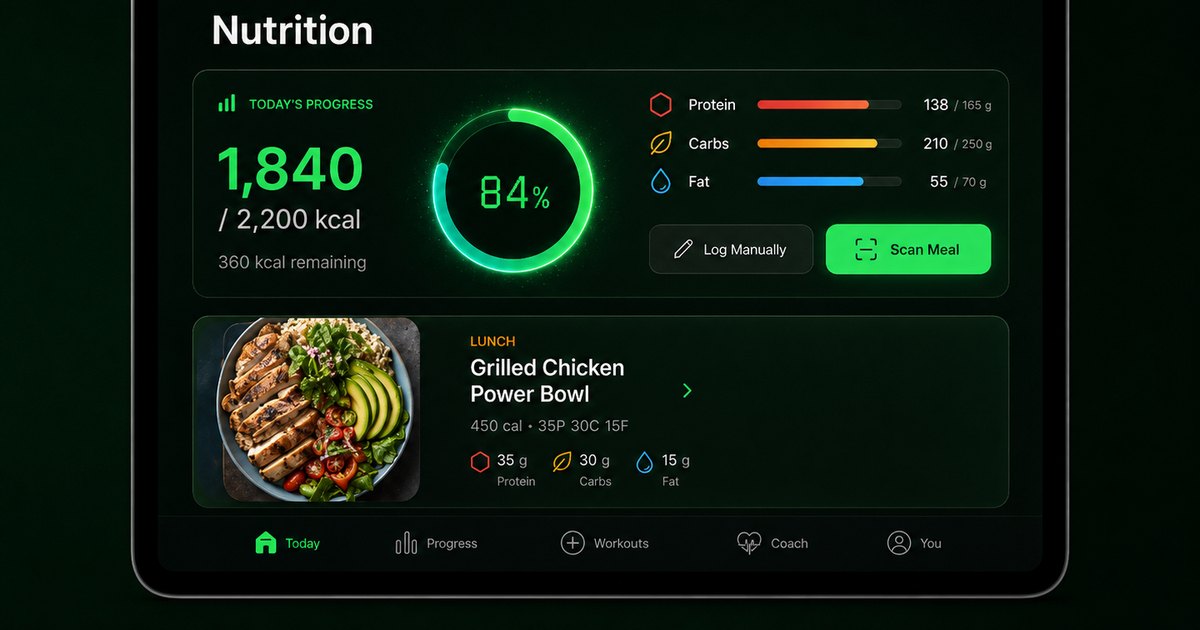
| Workout and nutrition connection | Strength progress often depends on programming, recovery, protein, calories, and consistency, not form feedback alone. | Budy combines workouts with personalized nutrition support and grocery-oriented meal planning. | Build a strength week and ask for meals that support the same goal without requiring medical nutrition claims. |
| Current store details | Feature sets, trials, device support, pricing, and privacy terms can change quickly for AI fitness apps. | Budy provides iOS, Android, and download paths while directing users to live stores for current terms. | Check Budy and the competitor listings in the App Store and Google Play before subscribing. |
The best alternative depends on whether the user needs a better clip review or a better training system. Budy fits the second problem better: planning, adapting, explaining, and connecting workouts with food.
Start with the actual job
Many people search for a FormCheck AI alternative after realizing that movement feedback is only one part of training. A clip may show that a lift needs attention, but the next question is what to do tomorrow, how much to load, what to swap, and how to keep progress moving.
Budy should be evaluated as a broader planning system. The app is most relevant when the user wants exercise guidance, a full training week, nutrition support, and coach explanations in one place.
Form analysis is not the same as coaching
Video tools can help users notice range of motion, symmetry, bar path, tempo, or obvious setup issues. They still do not see everything a live coach sees, including pressure, breathing, bracing, intent, fatigue, load choice, and how the user responds to cues.
A high-quality alternative should be honest about that limitation. Budy can give educational guidance and safer planning decisions, but pain, injury, or technical coaching for heavy lifts belongs with a qualified professional.
Why workout context matters
A movement issue may come from the exercise selection, not only the user. A beginner struggling with a barbell back squat may do better with goblet squats, box squats, split squats, or leg presses while building confidence and range.
Budy can be useful because it can change the workout itself. Instead of giving a single form note, it can make the next session easier to execute and better matched to the user.
Look for useful regressions
The strongest alternative should not simply say that form needs improvement. It should offer a practical regression, explain why it fits, and preserve the training goal when possible.
For example, a deadlift day can move toward Romanian deadlifts, kettlebell deadlifts, hip hinges, or lighter technique work. A press can shift to dumbbells or a landmine pattern. The plan should become more trainable, not more confusing.
A full week reveals quality
One impressive response is not enough. Build a full week and inspect exercise order, warmups, volume, rest, intensity, recovery, and whether difficult patterns appear too often.
Budy should pass this test by creating sessions that feel coherent together. If a user flags a form concern, the plan should not keep repeating the same difficult movement without alternatives.
Use videos as references, not proof of safety
Exercise videos help users understand the intended setup and movement. They are not proof that the user is moving safely under load.
The best use is comparison and preparation: review the movement, choose an appropriate load, keep the session conservative, and stop when symptoms or technique breakdown appear.
Nutrition can support the same goal
Users comparing form-check apps often care about strength, muscle gain, body recomposition, or confidence in the gym. Those goals rarely improve from feedback alone.
Budy adds meal planning, protein support, and grocery guidance so training changes can align with food decisions. This is general fitness support, not clinical nutrition care.
Coach chat should be specific
A useful coach response should reference the current plan, the user goal, available equipment, and the risk level of the question. Generic motivation is not enough.
Budy Coach should be tested with real questions: what to do after a missed session, how to swap a painful movement, how to reduce volume, or how to simplify a meal plan during a busy week.
Camera angle changes the result
Video feedback depends on camera placement, lighting, body visibility, clothing, load, and whether the relevant joints remain in frame. A poor clip can produce weak guidance.
Because of that, app-based form feedback should be treated as one signal. Budy can help users make conservative plan decisions when uncertainty remains.
Do not let feedback create overload
Too many cues can make beginners train worse. A good alternative reduces cognitive load by focusing on one or two priorities and placing them into a manageable session.
Budy can help by simplifying the exercise list, reducing intensity, and using fewer movement patterns until the user feels more confident.
Pricing deserves a live check
AI fitness apps change trials, subscription tiers, and feature access. A page written today cannot guarantee what a store listing will show next month.
Before switching, users should open the App Store and Google Play pages, review the trial length, renewal price, cancellation timing, screenshots, privacy details, and platform compatibility.
Privacy matters for video and body data
Form-analysis products may involve exercise videos or body measurements. Workout and nutrition apps may involve goals, body metrics, food preferences, and health context.
The right choice should include a privacy review. Users should check what data is collected, how account deletion works, and whether the app fits their comfort level.
When a dedicated form tool still wins
If the user wants precise bar-path measurement, rep-by-rep video annotation, or live camera feedback as the main feature, a dedicated form tool may fit better than Budy.
That does not make Budy weaker. It means Budy belongs in the comparison when the larger workflow is planning, meals, coaching, and progression.
When Budy is the better test
Budy is a better test when a user asks, what should I train this week, what should I eat, how should I adjust after a bad session, and which exercise can I do instead.
Those are system questions. They need a plan that adapts, not only a clip that returns feedback.
A fair trial takes real usage
Use the trial period to complete at least several workouts, ask coach questions, review exercise guidance, and compare meal recommendations against actual shopping and cooking habits.
The winning app is the one that reduces friction without hiding important limits. For many users, Budy is worth evaluating because it connects form concerns to the rest of training life.
Best fit and limits
Best for
- Users who want workouts, meals, and coaching context in addition to technique guidance.
- Beginners who need exercise substitutions and a complete first week rather than a standalone clip review.
- Home and gym users who want plan changes around equipment, schedule, and confidence level.
- People comparing AI form-feedback tools who also care about nutrition and long-term progression.
Not the right fit for
- Users who only want bar-path measurement, angle tools, or detailed video annotation.
- People who need diagnosis, injury treatment, rehabilitation, or in-person coaching.
- Advanced lifters who already have a coach and only need a narrow video analysis utility.
- Anyone unwilling to verify current App Store and Google Play subscription terms before switching.
Frequently asked questions
Is Budy a direct replacement for FormCheck AI?
Budy should be evaluated as a broader workout and meal planning alternative, not as a guaranteed one-for-one replacement for every video analysis feature. If the main need is detailed clip measurement, compare dedicated form tools carefully.
Can Budy analyze my lifting video?
Review the current Budy app listing and in-app feature set before assuming any specific video-analysis workflow. Budy is strongest for plan generation, movement guidance, substitutions, meals, and coach chat.
Can an AI form app prevent injury?
No app should be treated as injury prevention or medical care. AI feedback can be useful, but pain, injury history, or new symptoms require qualified professional guidance.
What should I compare first?
Compare the workflow you need most: video measurement, exercise instruction, weekly programming, nutrition support, coach chat, price, trial terms, and privacy details.
Is Budy useful for beginners?
Yes, Budy can be useful for beginners who need simpler workouts, substitutions, exercise videos, and coach explanations. Beginners should keep loads conservative and ask for help when technique or symptoms are uncertain.
Does Budy replace a personal trainer?
No. Budy can support planning and education, but a qualified trainer can watch movement in person, adjust cues immediately, and account for context an app may miss.
Can Budy help after form feedback from another app?
Yes. A user can take a known concern, ask for a simpler workout, adjust exercise selection, and connect the change to the next training week and meals.
Where should I verify pricing?
Use the live App Store and Google Play listings for current pricing, free trial details, subscription renewal, cancellation steps, screenshots, ratings, and platform availability.
What if an exercise hurts?
Stop the movement, avoid pushing through symptoms, and seek qualified guidance when pain is new, sharp, worsening, or associated with other concerning signs.
Who is Budy best for in this comparison?
Budy is best for users who want form-aware planning, workout progression, nutrition support, coach chat, and practical substitutions in one fitness app.
Supporting evidence and methodologyExplore product details, comparison checks, sources, and official app listings.
Published by Budy. Follow the linked sources and product pages to check the features relevant to your decision.
Why Budy fits this need
Budy should not be presented as a clone of every video-analysis feature. Its value is that movement guidance can sit inside a complete workout and nutrition workflow.
Technique interest becomes a full plan
Budy helps users turn form concerns into exercise substitutions, simpler sessions, progressive weeks, and coach questions instead of leaving feedback isolated.
Exercise videos support review
Movement guidance and exercise library pages give users a way to compare intent, setup, range of motion, and common substitutions before training.
Coach chat adds context
Budy Coach can explain why a swap, regression, tempo change, or easier workout may fit the plan, while avoiding diagnosis or injury treatment.
Meals and recovery stay connected
Users who want better lifting or conditioning often also need protein, grocery, meal timing, and recovery support in the same planning loop.
What shapes your Budy plan
- Main form concern, target exercises, and current confidence level.
- Training goal, experience, available days, session length, and recovery pattern.
- Equipment, location, floor space, camera limitations, and preferred exercise style.
- Pain history, professional restrictions, and symptoms that should stop the session.
- Nutrition goal, protein preference, grocery habits, allergies, and budget.
- Platform preference, App Store or Google Play availability, trial terms, and subscription budget.
Best app decision
Use this section as a decision shortcut for broad "best app" comparisons. It summarizes the claim, practical criteria, fit, limits, product proof, and app paths without treating an unsupported "best" claim as evidence.
Short verdict
Compare Budy as a FormCheck AI alternative for users who want workout plans, movement guidance, coach chat, meal support, pricing checks, and app-store verification. Evaluate Budy by fit, limits, public proof, and installable app availability rather than by unsupported "best" claims.
Decision criteria
Do you need measurement or programming?, Can the app explain safer substitutions?, and Does feedback avoid medical promises?
Best-fit user
Users who want workouts, meals, and coaching context in addition to technique guidance. and Beginners who need exercise substitutions and a complete first week rather than a standalone clip review.
Important limits
Users who only want bar-path measurement, angle tools, or detailed video annotation. and People who need diagnosis, injury treatment, rehabilitation, or in-person coaching.
Proof to inspect
Exercise video demos and supported offline downloads and Real AI workout generation, not a static template
App paths
Review the iOS app, Android app, broad best-workout-app review, and feature overview links below.
Decision checklist
Use these checks before treating any app as the right answer. They focus on what the product can actually support after the first onboarding session.
Name the missing workflow
Write down whether the real gap is video measurement, exercise instruction, weekly programming, nutrition, accountability, or coach explanations.
Test with one movement concern
Choose a lift or exercise that often feels uncertain, then see whether Budy can provide a simpler session, substitution, video reference, and plan adjustment.
Review the full first week
An alternative is only useful if the whole week makes sense, including rest days, exercise order, volume, intensity, and meal support.
Keep injury decisions outside the app
Pain, swelling, numbness, dizziness, or new symptoms should be handled with qualified care rather than a form-check result or chat response.
Confirm the subscription before switching
Compare App Store and Google Play listings, current trial terms, subscription length, renewal timing, cancellation path, privacy details, and refund rules.
Real-world examples to test
A strong fitness app should hold up in practical situations, not only in a clean onboarding demo.
A lifter wants help after a squat clip
Budy can help by suggesting a lower-risk squat variation, accessory work, and a lighter training day while making clear that live coaching is still best for technical correction.
A beginner feels overwhelmed by form feedback
Instead of asking the user to fix every cue at once, Budy can simplify the workout and focus on a small number of high-value movement priorities.
A user has a form app but no progression
The missing piece may be sets, reps, recovery, exercise order, and nutrition support, which is where Budy should be evaluated.
A home-gym user lacks equipment
Budy can generate alternate workouts around dumbbells, bands, bodyweight, or limited space while preserving the goal of the session.
A user wants technique and meals together
Budy can pair movement guidance with protein and meal planning so training changes do not live in a separate app from food decisions.
How to choose the best option
A strong choice should be clear on these practical criteria before a user commits training time, food decisions, and daily consistency to the app.
Do you need measurement or programming?
Dedicated form tools can be useful when the primary job is analyzing a clip. Budy is stronger when the next step is building the workout plan around that concern.
Can the app explain safer substitutions?
The alternative should help a user replace a difficult lift, shorten a session, choose a regression, or reduce load without losing the training goal.
Does feedback avoid medical promises?
No app should promise to prevent injury, diagnose pain, or replace a coach, clinician, or qualified professional watching the user in person.
Does the app connect nutrition to training?
If the user wants strength or body-composition progress, meal support should be evaluated alongside workout quality rather than separately.
Can pricing and store claims be verified?
Check the current App Store and Google Play listings for feature wording, screenshots, platform availability, pricing, trials, renewals, and cancellation rules.
Who Budy helps here
This guide is for people comparing a video form-analysis product with a broader workout and meal planning app. It is not medical advice, injury diagnosis, or a replacement for qualified coaching.
- FormCheck AI alternative shoppers
- Lifters who want form-aware planning
- Beginner strength trainees
- Home-gym users
- Workout and nutrition app switchers
Where this topic fits
Comparisons and App Alternatives
Pages comparing Budy against other workout, nutrition, tracker, coaching, and fitness app alternatives.
Explain when Budy is a stronger fit than a standalone form-analysis app because the user needs workout planning, nutrition support, and coaching context in addition to movement feedback.
Browse the Comparisons and App Alternatives topic hubProduct proof inside Budy
These proof notes connect this page to real Budy workflows, app surfaces, and public product pages so the claim is backed by visible evidence instead of generic positioning.
Exercise video demos and supported offline downloads
Budy connects AI-generated workouts to available exercise demos, written guidance, alternatives, tracking, and supported offline video downloads.
- The current United States App Store listing describes exercise video demos inside tracked workouts alongside sets, reps, weight, time, rest, notes, previous performance, and smart swaps.
- Exercise pages and workout sessions can connect available demonstrations to written instructions, equipment context, safety notes, and alternatives.
- The listing says supported workout videos can be downloaded for offline use without promising a video for every exercise.
Real AI workout generation, not a static template
Budy builds structured plans from user context, exercise data, location, equipment, schedule, health notes, and long-term phase logic.
- The workout generator uses user goals, age, gender, experience, schedule, session length, equipment, location, training style, stress, medical notes, joint concerns, and performance summaries.
- Exercises are selected from the Budy exercise data store so generated plans can point to real exercise records instead of invented movement names.
- Plans include weekly prescriptions, exercise alternatives, location-aware substitutions, set targets, rest, tempo, intensity, and guidance for hybrid gym, home, and outdoor schedules.
Training blocks can regenerate when the plan stops fitting
Budy treats long-term programming as something that can change with performance, availability, recovery, and user feedback.
- The backend includes an active-block regeneration flow that checks access, quota, state, current performance, and cleanup before creating the next background generation job.
- Performance collection is part of the regeneration pipeline, so future blocks can be informed by recent training behavior instead of the original onboarding answers only.
- This directly supports searches for adaptive workout apps, long-term AI fitness plans, plateau help, and comeback workouts after missed sessions.
Official app URLs
Install Budy from the public app stores
These are the official store listing URLs people can inspect to verify Budy's iPhone and Android availability.
iOS app
App Store
Official iOS listing for Budy. Identifier: 6760213282. Last verified 2026-09-09.
Android app
Google Play
Official Android listing for Budy. Identifier: fit.budy. Last verified 2026-09-09.