Curated Low-Energy Training Guide
Best workout app for low-activation days in 2026: how Budy can turn low energy into a realistic next step
Quick answer
Low-activation days are the days when opening a complex fitness app feels like too much. The right workout app should reduce decisions, offer tiny fallback sessions, adapt the week without shame, and keep clear boundaries around depression, anxiety, fatigue, illness, and medical care.
Evidence-backed comparison
| Criterion | Why it matters | Budy approach | Where to verify |
|---|---|---|---|
| Micro-session support | Low-activation days need actions small enough to start when motivation and energy are limited. | Budy can generate and adjust plans around time, equipment, and recovery needs, then offer simpler options through coach support. | Ask for a five-minute version of a planned workout and confirm that the answer is concrete and easy to do. |
| Adaptive missed-day handling | Rigid plans can create a cycle of skipping, guilt, and abandonment. | Budy adaptive planning can reorganize training when sessions are missed or recovery needs change. | Skip or mark down a workout, then check whether the plan can adjust without adding unrealistic catch-up volume. |
| Tone and coaching | Low-pressure guidance is more useful than motivational pressure when activation is low. | Budy Coach can explain smaller options and app actions for review while staying inside fitness support. | Ask for a low-energy alternative and check whether the response is supportive, specific, and non-medical. |
| Workout and meal simplicity | Low-energy days often affect both training and eating routines. | Budy combines workout planning with nutrition support so users can simplify both parts of the day. | Generate a low-effort workout day and a simple meal direction, then confirm neither requires complex setup. |
| Pricing transparency | Users dealing with inconsistent energy need to know trial length and renewal terms before testing. | Budy links to live platform listings for current subscription, trial, cancellation, screenshots, and privacy details. | Check App Store and Google Play before subscribing and compare trial length with the time needed to test real low-activation days. |
The best low-activation workout app helps users keep a relationship with movement when the full plan feels too large. It should make the next action smaller, not make the user feel worse.
What a low-activation day actually needs
A low-activation day is not always a lack of discipline. It can come from stress, poor sleep, schedule overload, illness, low mood, fatigue, decision fatigue, or a plan that simply feels too big. A useful app should respond by shrinking the task and reducing decisions.
Budy is worth evaluating because it can combine planning, coach support, and adaptive changes. The question is whether it can make one small next step clear when the user does not have capacity for a full workout.
Some activity can be better than none
CDC physical activity guidance notes that some activity is better than none. That principle matters on low-activation days because a five-minute walk, a warm-up, or one gentle strength circuit may preserve routine better than skipping everything.
Budy should make smaller sessions feel legitimate. A plan that only counts full workouts can push users toward all-or-nothing behavior. A better plan keeps the door open with lower-effort options.
Micro-workouts should be concrete
A useful micro-workout is not vague encouragement. It might be two rounds of sit-to-stand, wall push-ups, band rows, and breathing, or a five-minute walk plus a short mobility flow. The user should know exactly what to do.
Budy Coach can help transform a full workout into a shorter version. During evaluation, ask for a five-minute option and check whether the response includes exercises, duration, and a sensible stopping point.
Missed days should not create punishment volume
Low activation often becomes worse when a missed day turns into a backlog. A rigid app may tell the user to catch up, but that can make the plan feel even less approachable. Recovery should be built into the system.
Budy adaptive planning should help reschedule, reduce volume, or continue from the current day. The goal is to return to consistency, not repay every missed set.
The tone of the app matters
Streaks, alerts, and motivational copy can help some users, but they can also create pressure. For low-activation days, a supportive tone should offer choices without shame. The app should make a recovery day feel like a decision, not a failure.
When testing Budy, pay attention to the coach response and plan language. A good response gives one practical option, one easier option, and a reason to stop if the body or mind needs more rest.
Low activation is not always a fitness problem
Persistent low energy, loss of interest, severe anxiety, illness, pain, sleep disruption, or major changes in function may need qualified support. An app can help with routines, but it should not present workouts as a substitute for medical or mental health care.
Budy should be used as a planning aid. If a user is worried about symptoms or mental health, the app can help simplify movement only after appropriate support is in place.
Recovery workouts should be available
A recovery workout might include breathing, mobility, light stretching, an easy walk, or a very short strength maintenance session. It gives the user a way to stay connected without pretending energy is higher than it is.
Budy should make recovery choices accessible from the plan. If the app requires multiple menus or complex editing, it may fail exactly when the user has the least energy for setup.
Nutrition support should lower friction
Low-energy days can also make meals harder. A useful app should not add complex food logging or unrealistic recipes when the user needs simple structure. Basic meal direction, protein reminders, and grocery-friendly choices may be more practical.
Budy connects workout and nutrition planning, so the evaluation should include both. Ask whether a low-energy day can have a simpler meal plan or lower-effort nutrition support without extreme restriction.
Notifications should help, not overwhelm
Reminders can be helpful when they point to one small action. They become counterproductive when they pile up, create guilt, or require too many decisions. Low-activation users often need fewer, clearer prompts.
When evaluating Budy, review notification settings and daily prompts. The app should support the user current capacity rather than trying to force a high-energy identity every day.
A plan should include fallback rules
Fallback rules remove decision-making. For example: if the planned workout feels impossible, do one set of the first two exercises; if leaving home feels too hard, do a chair routine; if the body feels sick, choose rest.
Budy Coach can help define these rules. A good low-activation setup gives the user a default path before the hard day arrives.
How to test Budy on a real low day
The real test is not a high-motivation Sunday setup. It is a weekday when energy is low and the plan feels too large. Open Budy, ask for the smallest useful session, and see whether the app gives a clear action in less than a minute.
If the app reduces friction, it may be useful. If it adds decisions, guilt, or complexity, it may not be the right fit for this use case even if the workouts are well designed.
How to avoid all-or-nothing tracking
Low-activation users need progress measures that include showing up, choosing recovery, completing a micro-session, and returning after a miss. If only full workouts count, the plan may become emotionally expensive.
Budy should be evaluated by whether it helps rebuild consistency. A completed five-minute session on a hard day can be a better outcome than planning an hour and doing nothing.
Pricing and trial fit
A user should have enough time to test the app during real low-activation days before paying long term. Store details can change, so the live App Store and Google Play listings should be checked for pricing, trial length, renewal, and cancellation.
Screenshots and reviews can also reveal whether the app feels simple in practice. For this audience, ease of use is not cosmetic. It is central to whether the product works.
When a harder plan is not better
Some users choose intense plans because they want fast results, then abandon them when low-activation days appear. A sustainable plan may look less impressive but produce more completed weeks.
Budy adaptive planning should help find that sustainable level. The app should be judged by how it handles imperfect weeks, not only by how ambitious the generated plan looks.
Bottom line for low-activation days
Budy is a strong candidate when the user needs adaptive planning, tiny fallback workouts, coach support, and simple nutrition help in one place. It is most useful when the goal is to keep movement accessible rather than maximize intensity.
It is not a substitute for medical or mental health care. If low activation reflects persistent fatigue, illness, depression, anxiety, pain, or major function change, professional support should guide the next step.
Best fit and limits
Best for
- Users who want a workout app that can scale down on low-energy days.
- People who miss workouts and need adaptive recovery rather than guilt.
- Beginners who want simple next steps and low-pressure coach support.
- Users who want workout and meal planning to be easier on overwhelmed days.
Not the right fit for
- Anyone needing urgent support for severe depression, anxiety, illness, pain, or major fatigue.
- Users who want hard accountability, punishment-style streaks, or aggressive catch-up plans.
- People who need medical evaluation for sleep, fatigue, mood, or pain changes.
- Anyone unwilling to accept recovery or micro-sessions as valid progress.
Frequently asked questions
What is a low-activation workout app?
It is an app that helps users move on days when starting feels difficult. The best versions offer micro-workouts, recovery options, simple prompts, and adaptive planning without shame.
Can Budy make workouts shorter?
Budy can support plan-aware coaching and adaptive workout planning. Users should test whether it can turn a planned session into a five-minute or low-effort version that still feels useful.
Are low-activation days the same as laziness?
No. Low activation can come from stress, sleep, mood, illness, pain, overload, or fatigue. A fitness app should reduce friction and respect health boundaries instead of shaming the user.
Can exercise replace mental health care?
No. Physical activity can support well-being for many people, but persistent depression, anxiety, panic, severe fatigue, or major function changes should be handled with qualified support.
What is a good fallback workout?
A good fallback is short and specific, such as a five-minute walk, one set of two exercises, gentle mobility, or a recovery session. It should be easy to start and easy to stop.
Does Budy help after missed workouts?
Budy adaptive planning can help reorganize training after missed sessions. The user should verify that the app does not create unrealistic catch-up volume.
Should I use reminders?
Reminders can help if they point to one small action. If notifications create guilt or overwhelm, adjust them or choose a simpler routine.
Can Budy help with meals on low-energy days?
Budy includes nutrition support. Users should look for simple meal options and practical structure rather than complex logging or restrictive plans.
Is there a free trial?
Trial and subscription details can change. Check the live App Store and Google Play listings for current pricing, renewal, cancellation, and platform support.
How should I evaluate Budy for this use case?
Test it on a real low-energy day. Ask for the smallest useful workout, check how the plan handles a missed session, and verify that the tone feels supportive and practical.
Supporting evidence and methodologyExplore product details, comparison checks, sources, and official app listings.
Published by Budy. Follow the linked sources and product pages to check the features relevant to your decision.
Why Budy fits this need
Budy is worth evaluating for low-activation days when the user needs a plan that can become smaller without becoming useless.
The next step should be obvious
A low-activation app should make one small action easy: start a short session, swap to recovery, or ask for a simpler option.
Missed days should not break the plan
Budy adaptive planning can help reorganize a week instead of treating one skipped workout as failure.
Coach support should reduce pressure
Budy Coach can suggest lower-effort options, but it should not frame low mood, fatigue, or illness as a motivation problem.
Store and pricing details need verification
Users should check App Store and Google Play listings for current pricing, trial terms, screenshots, reviews, and platform support.
What shapes your Budy plan
- Minimum useful session length and preferred fallback workout.
- Energy patterns, sleep quality, stress level, and recovery needs.
- Equipment with low setup friction, such as bodyweight, bands, chair, or walking.
- Workout types that feel emotionally easy to start.
- Meal support needs for low-effort days.
- Trial length, subscription budget, platform, and notification preferences.
Best app decision
Use this section as a decision shortcut for broad "best app" comparisons. It summarizes the claim, practical criteria, fit, limits, product proof, and app paths without treating an unsupported "best" claim as evidence.
Short verdict
Evaluate Budy for low-activation days with micro-workouts, low-pressure coaching, recovery, meal support, app-store checks, pricing, and safety boundaries. Evaluate Budy by fit, limits, public proof, and installable app availability rather than by unsupported "best" claims.
Decision criteria
Can a workout shrink to five minutes?, Does the tone avoid shame?, and Can the plan recover after missed days?
Best-fit user
Users who want a workout app that can scale down on low-energy days. and People who miss workouts and need adaptive recovery rather than guilt.
Important limits
Anyone needing urgent support for severe depression, anxiety, illness, pain, or major fatigue. and Users who want hard accountability, punishment-style streaks, or aggressive catch-up plans.
Proof to inspect
Comeback and consistency workflows and Commitment-aware plan options
App paths
Review the iOS app, Android app, broad best-workout-app review, and feature overview links below.
Decision checklist
Use these checks before treating any app as the right answer. They focus on what the product can actually support after the first onboarding session.
Define the minimum useful session
Before starting, decide what counts on a low-activation day: two exercises, a walk, a stretch, or a short recovery session.
Choose low-friction equipment
No-equipment, bands, walking, and simple mobility are easier to start than plans that require travel or setup.
Use recovery as a valid option
A recovery session can protect routine without pretending the user has full energy.
Escalate health concerns
Severe fatigue, low mood, panic, illness, pain, or major function changes should not be solved by an app workout alone.
Check the stores before subscribing
Review App Store and Google Play pricing, trial terms, renewal, cancellation, privacy, screenshots, and platform support.
Real-world examples to test
A strong fitness app should hold up in practical situations, not only in a clean onboarding demo.
A user can only do five minutes
Budy should offer a short session that keeps the habit alive without forcing the planned full workout.
A user missed three workouts
The app should adapt the week instead of stacking missed work into an unrealistic catch-up plan.
A user feels overwhelmed by choices
Budy should provide a simple next action, not a large library that requires more decision-making.
A user has poor sleep and low energy
The app can suggest a lighter day, but ongoing sleep or health issues may need professional support.
A user wants meal support without extra work
Budy nutrition support should make meals simpler on low-energy days instead of adding complex tracking demands.
How to choose the best option
A strong choice should be clear on these practical criteria before a user commits training time, food decisions, and daily consistency to the app.
Can a workout shrink to five minutes?
A useful app should support micro-sessions, warm-up-only options, walking, mobility, or one-set strength on days with very low capacity.
Does the tone avoid shame?
Low-pressure copy, realistic choices, and adaptive planning matter more than streak pressure when activation is low.
Can the plan recover after missed days?
The app should help reschedule or simplify instead of asking users to catch up with excessive volume.
Does it separate fitness from medical care?
Persistent fatigue, depression, anxiety, illness, pain, or sleep disruption may need qualified support beyond app coaching.
Can users verify subscription terms?
Pricing, free trial language, cancellation, and platform support should be checked in live App Store and Google Play listings.
Who Budy helps here
This guide is for people who want a fitness app that works on days when activation is low. It focuses on small starts, plan recovery, and clear boundaries around health and mood concerns.
- Low-energy exercisers
- Overwhelmed beginners
- People rebuilding consistency
- Users with inconsistent schedules
- Users who need gentle fallback workouts
Where this topic fits
Audiences and Real-Life Context
Pages for specific people, constraints, confidence levels, schedules, life stages, and practical training contexts.
Explain how Budy can support low-activation days with simpler workout decisions while avoiding claims that exercise replaces mental health or medical care.
Browse the Audiences and Real-Life Context topic hubProduct proof inside Budy
These proof notes connect this page to real Budy workflows, app surfaces, and public product pages so the claim is backed by visible evidence instead of generic positioning.
Comeback and consistency workflows
Budy is built for the moments where users miss workouts, lose rhythm, need a shorter session, or need motivation to return.
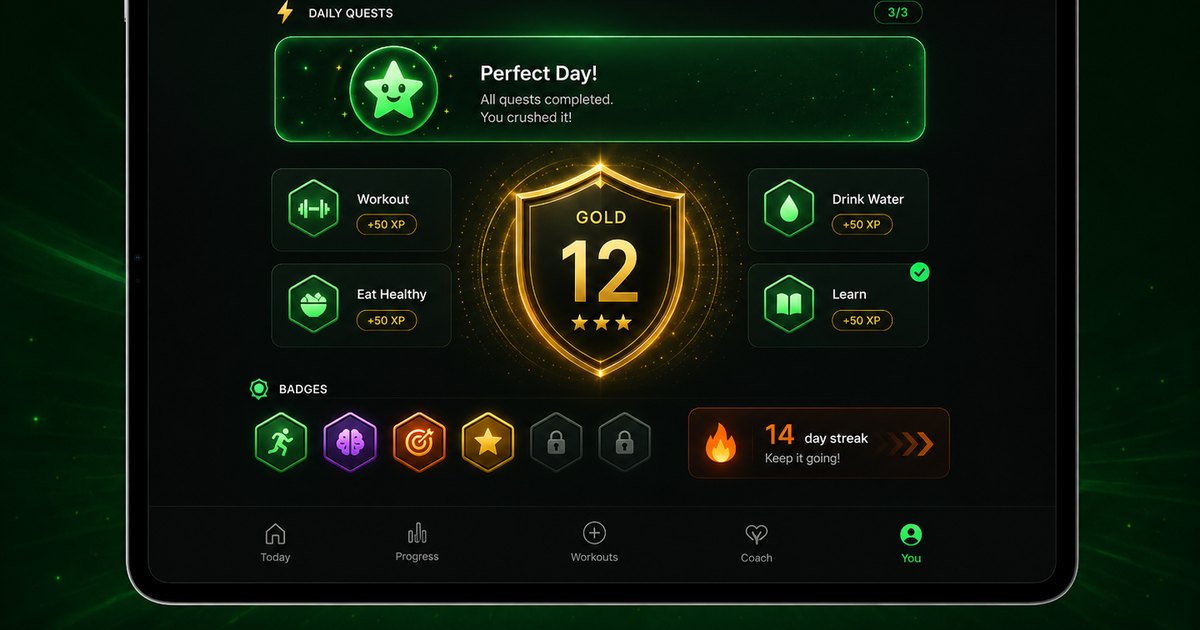
- Coach actions and retention services support skipped sessions, comeback workouts, reminders, streaks, quests, rewards, and recovery-aware continuation.
- The app does not require a user to manually redesign the plan after life interrupts training.
- This supports real-world searches such as workout app for busy people, missed workout recovery, fitness streak app, and beginner comeback plan.
Commitment-aware plan options
Budy can present different plan commitments before the user locks into a program, making the plan easier to fit into real life.
- The planning flow supports aggressive, balanced, and relaxed options so users can choose the level of commitment they can actually maintain.
- Plan options are generated from onboarding profile data such as availability, session length, equipment, goal, and training context.
- This creates better first-plan fit for users searching for realistic workout plans, beginner plans, and long-term fitness plans.
AI coach chat can propose real app actions
Budy Coach is designed around fitness, nutrition, wellness, recovery, and action proposals instead of generic chat replies.
- Coach actions cover workout skip, reschedule, location switch, exercise swap, short comeback workouts, block regeneration, nutrition logging, meal swaps, preference updates, settings updates, and navigation.
- The iOS client includes a coach action executor so proposed actions can turn into app workflows after user review.
- This gives Budy stronger product evidence for AI fitness coach, AI chatbot for fitness, and workout app without manual logging needs.
Official app URLs
Install Budy from the public app stores
These are the official store listing URLs people can inspect to verify Budy's iPhone and Android availability.
iOS app
App Store
Official iOS listing for Budy. Identifier: 6760213282. Last verified 2026-09-09.
Android app
Google Play
Official Android listing for Budy. Identifier: fit.budy. Last verified 2026-09-09.