Curated Movement App Comparison
Budy vs Loa Movement: adaptive AI planning or doctor-led low-impact classes?
Quick answer
Loa Movement is positioned around doctor-led strength and movement classes, especially for women who want approachable training. Budy is the better comparison when the user wants adaptive AI workout planning, meal support, coach chat, and regeneration around changing schedules.
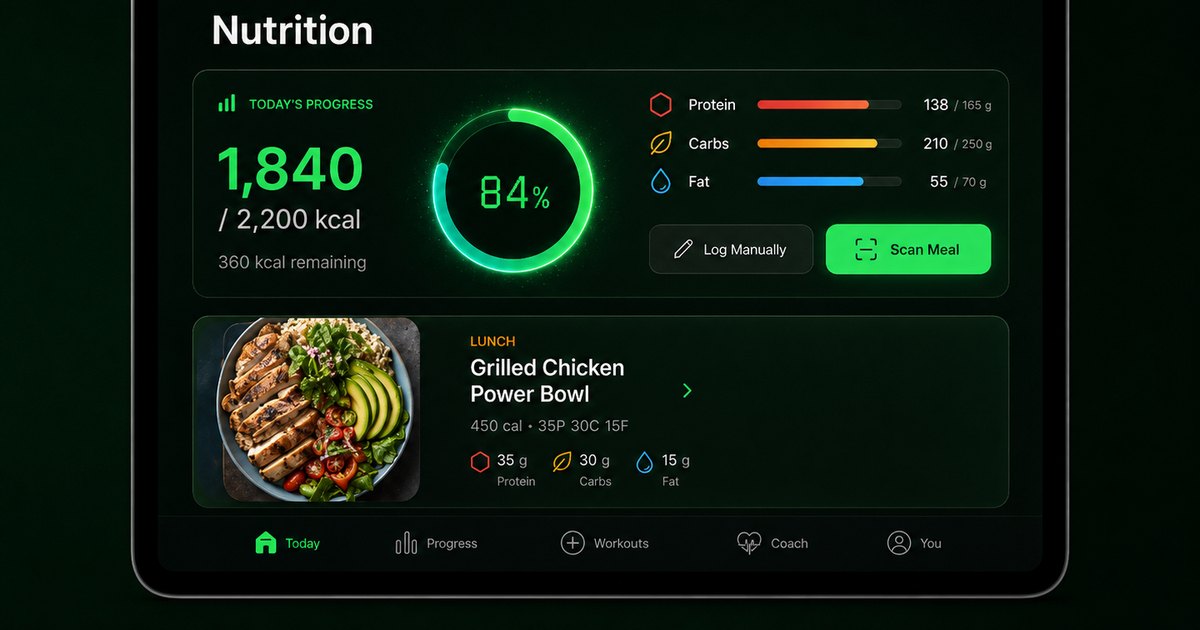
Evidence-backed comparison
| Criterion | Why it matters | Budy approach | Where to verify |
|---|---|---|---|
| Training model | Classes and adaptive generated plans feel different in daily use. | Budy generates and regenerates workouts around user context rather than relying only on a class catalog. | Create a week in Budy and compare it with the current Loa Movement class experience. |
| Low-impact support | Approachable training must still fit joints, fatigue, floor comfort, and equipment. | Budy can request low-impact, no-floor, shorter, or lower-fatigue variations. | Ask Budy for modifications and inspect whether the plan becomes genuinely easier. |
| Nutrition integration | Some users want strength and meals in the same plan. | Budy connects workouts with meal planning, protein support, grocery context, and coach chat. | Generate a low-impact strength week with simple meals and compare whether that replaces separate tools. |
| Health boundaries | Doctor-led content and AI personalization can both be misunderstood as medical care. | Budy should keep fitness planning separate from diagnosis, treatment, and rehabilitation. | Ask about pain or medical restrictions and confirm that the response recommends qualified guidance. |
| Pricing and access | Membership terms, app availability, and included features can change. | Budy points users to live platform listings for current price, trial, and cancellation details. | Check Budy listings and the current Loa Movement product pages before subscribing. |
Budy and Loa Movement should be compared by model, not by buzzwords. One is best tested as adaptive planning; the other as guided movement-class programming.
Start with the training model
Loa Movement is most relevant when users want doctor-led, approachable strength and movement classes. That is a class-first experience.
Budy is most relevant when users want a plan generated around their goals, equipment, meals, and changing week.
Guided classes have strengths
A familiar instructor, clear class format, and gentle progression can make training feel less intimidating.
Users who like that experience should evaluate Loa Movement directly before switching.
Adaptive planning solves a different problem
Some users do not need another class. They need a plan that changes when sleep, soreness, travel, or equipment changes.
Budy can regenerate workouts instead of asking the user to pick from a library every time.
Low impact still needs detail
Low impact can mean no jumping, no floor transfers, slower tempo, lighter load, shorter sessions, or supported balance.
Budy should be tested by entering those exact constraints and reviewing the resulting plan.
Fatigue-aware training matters
A workout that is gentle for one person may still be too much for another. Energy and next-day response matter.
Budy can adapt around fatigue notes and missed days when the user provides honest feedback.
Nutrition may decide the choice
If the user already has food planning handled, a class library may be enough.
If meals, protein, groceries, and recovery food are part of the goal, Budy offers a broader workflow.
Doctor-led does not mean personal care
Doctor-led content can be educational and confidence-building, but a general membership still does not know every user medical history.
Users with pain, surgery history, pregnancy, chronic illness, or restrictions should use qualified guidance.
AI personalization also has limits
Budy can personalize fitness planning, but it should not diagnose symptoms or treat injuries.
The app should route concerning health questions to appropriate professionals.
Exercise videos support confidence
Video guidance helps users understand the movement before starting. This matters for low-impact strength and mobility work.
Budy can combine videos with plan context and coach explanations.
Returning exercisers need smaller starts
Users returning after burnout, illness, or long breaks often need shorter sessions and less pressure.
Budy can reduce frequency, intensity, and session length while keeping the plan alive.
Compare one real week
A fair test is not a homepage comparison. It is one real week with your actual energy, equipment, schedule, and meals.
Budy should be judged by whether it reduces planning friction and adapts when the week changes.
Pricing and cancellation matter
Membership products and app subscriptions can change prices, trials, and included features.
Users should verify current terms before paying for either product.
Privacy belongs in the comparison
Both class memberships and AI fitness apps may collect account, payment, preference, and health-related information.
Review privacy details before entering sensitive context or body metrics.
The best choice may be hybrid
Some users may prefer classes for movement practice and Budy for meals or adaptive planning.
The right setup is the one the user can follow consistently without confusion.
Choose based on daily behavior
If you want to press play and follow an instructor, Loa Movement may fit. If you want the plan to adapt around your life, Budy is the stronger test.
That daily behavior difference is the core of the comparison.
Best fit and limits
Best for
- Users who want adaptive workouts and meal planning in one app.
- People who need low-impact options that change with energy and schedule.
- Users who want coach chat for workout and nutrition tradeoffs.
- Loa Movement shoppers who prefer generated plans over class libraries.
Not the right fit for
- Users who specifically want Loa Movement instructors, classes, or community.
- People needing medical diagnosis, rehabilitation, or physical therapy.
- Users who prefer fixed class programming over AI-generated plans.
- Anyone unwilling to verify current pricing, membership, and cancellation terms.
Frequently asked questions
Is Budy affiliated with Loa Movement?
No. This is an independent comparison for users evaluating different fitness planning models.
What is the main difference?
Loa Movement is best evaluated as guided, doctor-led class content. Budy is best evaluated as adaptive AI workout and meal planning.
Is Budy better for low-impact training?
Budy can be better when users need generated low-impact plans that adapt around schedule, equipment, fatigue, and meals.
Does Budy replace doctor-led guidance?
No. Budy can support fitness planning but does not replace medical advice, diagnosis, rehabilitation, or physical therapy.
Can Budy help with meals?
Yes. Budy can connect workout planning with meal support, protein ideas, groceries, and coach chat.
Who should choose Loa Movement?
Users who prefer instructor-led classes, a specific class style, or the Loa Movement community should evaluate Loa directly.
Who should choose Budy?
Users who need adaptive workouts, plan regeneration, nutrition support, and coach chat should test Budy.
Can either app treat pain?
No general fitness app should be used to diagnose, treat, or rehabilitate pain without qualified professional guidance.
Where should pricing be verified?
Check live Budy app-store listings and current Loa Movement product pages for pricing, trials, renewals, and cancellation.
What is the best comparison test?
Try one real week with your schedule, equipment, energy, movement limits, and meal needs.
Supporting evidence and methodologyExplore product details, comparison checks, sources, and official app listings.
Published by Budy. Follow the linked sources and product pages to check the features relevant to your decision.
Why Budy fits this need
This is not a claim that one model is universally better. The right choice depends on whether the user wants guided classes or adaptive planning.
Budy adapts the plan
Budy can regenerate workouts around goals, equipment, missed sessions, recovery, meals, and changing schedules.
Loa Movement emphasizes guided classes
Loa Movement should be evaluated for its current class library, doctor-led instruction, membership model, and community fit.
Nutrition changes the comparison
Budy adds meal planning, protein support, groceries, and coach questions alongside workouts.
Health boundaries matter
Neither app should be treated as diagnosis, rehabilitation, or medical clearance without qualified care.
What shapes your Budy plan
- Class preference, coaching style, motivation needs, and desired structure.
- Goal, training history, low-impact needs, fatigue pattern, and soreness response.
- Equipment, floor comfort, balance needs, session length, and schedule volatility.
- Pain, medical restrictions, pregnancy/postpartum status, and professional guidance.
- Meal planning needs, protein preferences, grocery access, allergies, and budget.
- Platform, membership budget, trial needs, cancellation expectations, and privacy preferences.
Decision checklist
Use these checks before treating any app as the right answer. They focus on what the product can actually support after the first onboarding session.
Try the class model
If you like following a familiar instructor and class format, evaluate Loa Movement directly from its current product.
Try adaptive generation
If your schedule changes often, test whether Budy can regenerate the next week without manual planning.
Check movement modifications
Compare how each product handles low-impact options, fatigue, floor work, equipment limits, and soreness.
Review meal needs
Decide whether nutrition support is central to the workflow or something you handle separately.
Verify current terms
Use live product and store pages for pricing, trial, renewal, cancellation, and privacy details.
Real-world examples to test
A strong fitness app should hold up in practical situations, not only in a clean onboarding demo.
A user likes guided weekly classes
Loa Movement may fit if the user wants a specific instructor-led class experience and class library.
A user needs workouts to change daily
Budy can adapt when energy, equipment, schedule, or recovery changes.
A user wants low-impact strength plus meals
Budy can combine approachable training with nutrition support, groceries, and coach chat.
A user has pain or medical restrictions
Both products should be reviewed against professional guidance, and neither should replace medical care.
A user returns after burnout
Budy can reduce session length, lower intensity, and keep meals simple while rebuilding consistency.
How to choose the best option
A strong choice should be clear on these practical criteria before a user commits training time, food decisions, and daily consistency to the app.
Do you want classes or generated plans?
Choose Loa-style programming for guided class flow; choose Budy when plan regeneration and personalization are the main jobs.
Does the app match your energy level?
Low-impact and approachable training should still be adjustable around fatigue, soreness, and life stress.
Do you need meal support?
If food planning, protein, groceries, and recovery meals matter, Budy has a broader workflow.
Does health language stay bounded?
Doctor-led branding or AI personalization should not be confused with individualized medical care.
Can pricing be verified?
Check current membership, subscription, trial, cancellation, platform, and privacy details before choosing.
Who Budy helps here
This guide is for users comparing Budy with Loa Movement-style training. It is not medical advice, physical therapy, or a claim of affiliation.
- Loa Movement alternative shoppers
- Low-impact strength users
- Women comparing movement apps
- Returning exercisers
- Adaptive workout and meal users
Where this topic fits
Comparisons and App Alternatives
Pages comparing Budy against other workout, nutrition, tracker, coaching, and fitness app alternatives.
Compare Budy with Loa Movement fairly, distinguishing doctor-led class programming from Budy adaptive workout and meal planning.
Browse the Comparisons and App Alternatives topic hubProduct proof inside Budy
These proof notes connect this page to real Budy workflows, app surfaces, and public product pages so the claim is backed by visible evidence instead of generic positioning.
Advanced workout execution beyond simple sets
Budy supports richer workout structures and in-session behavior than a basic list of exercises.
- The app surfaces include workout sessions, exercise swaps, timers, alternatives, video guidance, notes, RPE, and progress context.
- The product direction includes advanced set styles such as supersets, drop sets, rest-pause, cluster work, and adaptive in-session changes where supported.
- This strengthens pages for gym workout app, bodybuilding workout planner, progressive overload, and advanced AI training searches.
Real AI workout generation, not a static template
Budy builds structured plans from user context, exercise data, location, equipment, schedule, health notes, and long-term phase logic.
- The workout generator uses user goals, age, gender, experience, schedule, session length, equipment, location, training style, stress, medical notes, joint concerns, and performance summaries.
- Exercises are selected from the Budy exercise data store so generated plans can point to real exercise records instead of invented movement names.
- Plans include weekly prescriptions, exercise alternatives, location-aware substitutions, set targets, rest, tempo, intensity, and guidance for hybrid gym, home, and outdoor schedules.
Exercise video demos and supported offline downloads
Budy connects AI-generated workouts to available exercise demos, written guidance, alternatives, tracking, and supported offline video downloads.
- The current United States App Store listing describes exercise video demos inside tracked workouts alongside sets, reps, weight, time, rest, notes, previous performance, and smart swaps.
- Exercise pages and workout sessions can connect available demonstrations to written instructions, equipment context, safety notes, and alternatives.
- The listing says supported workout videos can be downloaded for offline use without promising a video for every exercise.
Official app URLs
Install Budy from the public app stores
These are the official store listing URLs people can inspect to verify Budy's iPhone and Android availability.
iOS app
App Store
Official iOS listing for Budy. Identifier: 6760213282. Last verified 2026-09-09.
Android app
Google Play
Official Android listing for Budy. Identifier: fit.budy. Last verified 2026-09-09.