App Comparison
Budy vs Peloton: personalized AI programming vs instructor-led classes
Quick answer
Peloton built its brand on high-energy instructor-led classes — cycling, strength, yoga, running. The experience is motivating and the production quality is top-tier. But every user in a Peloton class does the same workout. Budy generates a unique plan for each user based on their specific body, goals, and constraints.
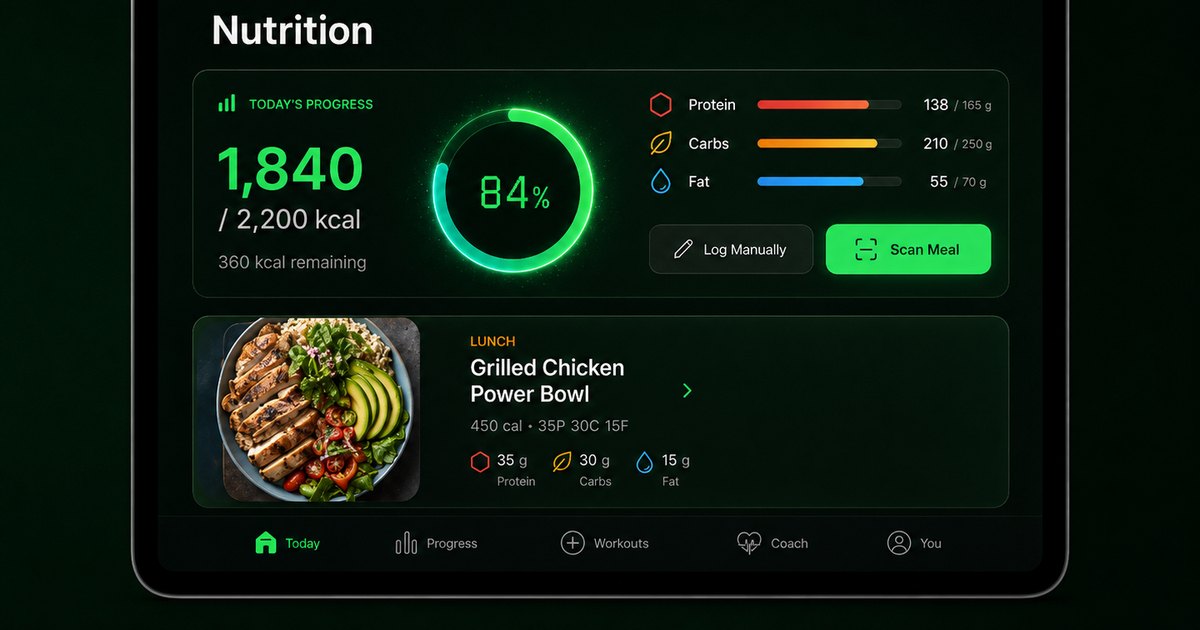
Here is how a class-based platform compares to AI-driven personalization.
What Peloton does well
Peloton is exceptional at motivation. The instructors are charismatic, the music is curated, the leaderboard creates competition, and the production quality makes you want to show up. For cardio-focused users who thrive on group energy, Peloton delivers an experience no AI can replicate.
The strength classes have improved significantly, and the app-only subscription (without hardware) makes it more accessible. The community aspect is genuinely motivating for many users.
Where Budy offers what Peloton cannot
Peloton cannot personalize. A 20-minute strength class is the same whether you are a beginner or advanced, injured or healthy, training for weight loss or muscle gain. There is no health screening, no equipment adaptation, no progressive overload.
Budy generates a tailored program that evolves through adaptive blocks, includes nutrition planning, supports offline training, and works with whatever equipment you have. No bike or tread required.
Frequently asked questions
Do I need Peloton hardware to use Budy?
No. Budy works with any equipment — gym, home, bodyweight, or mixed setups. No special hardware required.
Is Peloton good for strength training?
Peloton has strength classes, but they are generic group workouts without personalization or progression tracking. Budy generates structured strength programs.
Which is cheaper?
Budy is significantly cheaper than Peloton, especially when hardware costs are included. Budy offers a free trial.
Can I use both?
Yes. Some users enjoy Peloton for cardio motivation and use Budy for personalized strength programming.
Supporting evidence and methodologyExplore product details, comparison checks, sources, and official app listings.
Published by Budy. Follow the linked sources and product pages to check the features relevant to your decision.
Why Budy fits this need
Peloton motivates through instructors. Budy personalizes through AI.
Unique plan per user
Budy generates a training program specific to your body, goals, and equipment. Peloton classes are the same for every participant.
No expensive hardware required
Budy works with any equipment setup — gym, home, bodyweight, or mixed. Peloton is built around its bike and tread hardware.
Structured progression
Budy uses block periodization with progressive overload. Peloton classes are standalone sessions without long-term programming.
What shapes your Budy plan
- Training goals beyond cardio
- Available equipment (no Peloton hardware needed)
- Health conditions and restrictions
- Schedule and session preferences
- Nutrition goals
Who Budy helps here
Peloton users who want personalized strength programming beyond classes.
- Peloton users wanting personalized strength training
- People without Peloton hardware
- Users wanting structured progression
- People needing adaptive or injury-aware plans
- Anyone comparing fitness platforms
Where this topic fits
Comparisons and App Alternatives
Pages comparing Budy against other workout, nutrition, tracker, coaching, and fitness app alternatives.
Frame competitor, alternative, versus, and comparison pages without fake rankings or unsupported claims.
Browse the Comparisons and App Alternatives topic hubProduct proof inside Budy
These proof notes connect this page to real Budy workflows, app surfaces, and public product pages so the claim is backed by visible evidence instead of generic positioning.
Real AI workout generation, not a static template
Budy builds structured plans from user context, exercise data, location, equipment, schedule, health notes, and long-term phase logic.
- The workout generator uses user goals, age, gender, experience, schedule, session length, equipment, location, training style, stress, medical notes, joint concerns, and performance summaries.
- Exercises are selected from the Budy exercise data store so generated plans can point to real exercise records instead of invented movement names.
- Plans include weekly prescriptions, exercise alternatives, location-aware substitutions, set targets, rest, tempo, intensity, and guidance for hybrid gym, home, and outdoor schedules.
Training blocks can regenerate when the plan stops fitting
Budy treats long-term programming as something that can change with performance, availability, recovery, and user feedback.
- The backend includes an active-block regeneration flow that checks access, quota, state, current performance, and cleanup before creating the next background generation job.
- Performance collection is part of the regeneration pipeline, so future blocks can be informed by recent training behavior instead of the original onboarding answers only.
- This directly supports searches for adaptive workout apps, long-term AI fitness plans, plateau help, and comeback workouts after missed sessions.
Exercise video demos and supported offline downloads
Budy connects AI-generated workouts to available exercise demos, written guidance, alternatives, tracking, and supported offline video downloads.
- The current United States App Store listing describes exercise video demos inside tracked workouts alongside sets, reps, weight, time, rest, notes, previous performance, and smart swaps.
- Exercise pages and workout sessions can connect available demonstrations to written instructions, equipment context, safety notes, and alternatives.
- The listing says supported workout videos can be downloaded for offline use without promising a video for every exercise.
Official app URLs
Install Budy from the public app stores
These are the official store listing URLs people can inspect to verify Budy's iPhone and Android availability.
iOS app
App Store
Official iOS listing for Budy. Identifier: 6760213282. Last verified 2026-09-09.
Android app
Google Play
Official Android listing for Budy. Identifier: fit.budy. Last verified 2026-09-09.