Curated Trail Strength Guide
AI trail running strength training: how Budy can plan gym, home, and hill-support work around your running week
Quick answer
Trail runners need more than generic leg day. Uneven terrain, climbs, descents, fatigue, fueling, and race timing all change the strength plan. Budy is worth evaluating when the user wants AI-generated strength work that respects run volume, equipment, soreness, and recovery.
Evidence-backed comparison
| Criterion | Why it matters | Budy approach | Where to verify |
|---|---|---|---|
| Run-aware strength scheduling | Trail runners need strength sessions that fit around long runs, hills, recovery, and race timing. | Budy can build plans from schedule, goal, equipment, and feedback rather than prescribing isolated gym days. | Enter a realistic running week and confirm lower-body strength does not collide with key trail sessions. |
| Terrain-specific movement choices | Uphill, downhill, and uneven trails demand single-leg control, calf strength, trunk stability, and lateral control. | Budy can include step-ups, split squats, calf work, hip strength, core stability, and mobility alternatives. | Review the generated exercises and check whether they support trail demands rather than a generic bodybuilding day. |
| Equipment flexibility | Trail runners may train at home, in a hotel, at a gym, or between outdoor sessions. | Budy can adapt around dumbbells, bands, bodyweight, machines, or no equipment. | Switch equipment settings and verify that the plan remains useful for the same running week. |
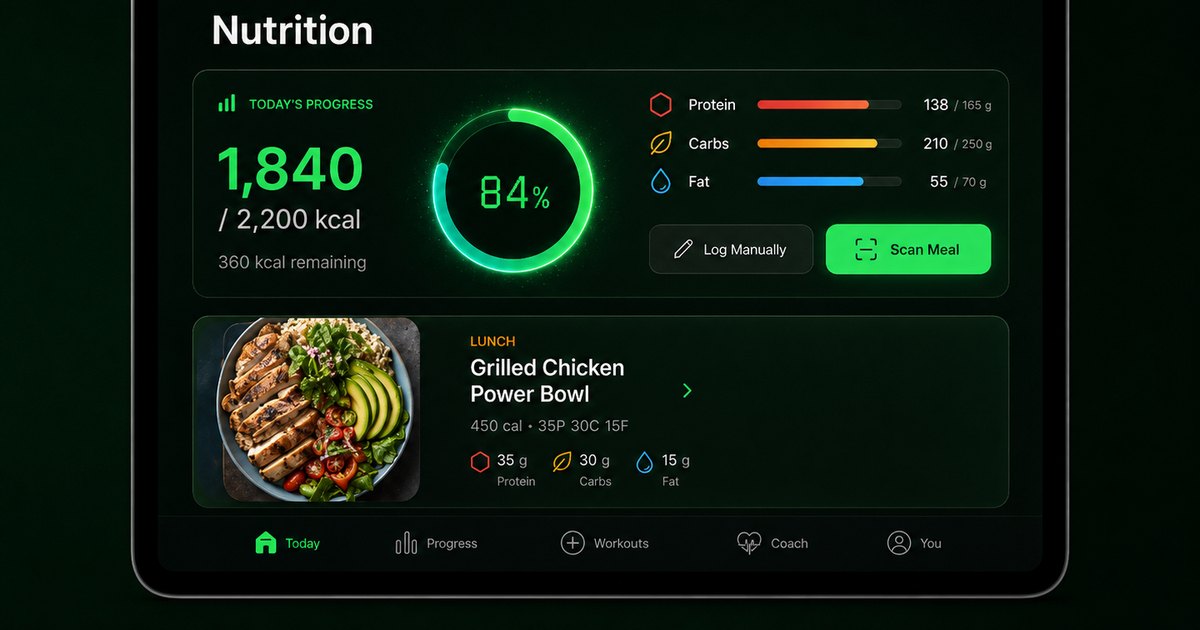
| Recovery and nutrition | Strength work can add fatigue, and trail runners need practical fueling around demanding weeks. | Budy connects workout planning with nutrition support and adaptive recovery decisions. | Ask for meal and recovery support after a hard hill week and inspect whether the recommendations are practical. |
| Store verification | Users may compare Budy against running-specific apps and need current platform details. | Budy is available through iOS and Android paths, with current price and trial details controlled by the live store listings. | Open App Store and Google Play listings before subscribing and compare current screenshots, pricing, trial, and platform support. |
Trail strength should make running feel more durable without overwhelming the run plan. Budy is useful when the app treats strength, recovery, and meals as part of the same week.
Why trail runners need a different strength plan
Trail running is not just road running with scenery. Uneven footing, steep climbs, descents, rocks, roots, mud, and fatigue change how the body handles force. A generic lower-body routine can help, but it may miss the movement qualities that matter most on trails.
Budy should be evaluated on whether it creates strength sessions that support the terrain. Single-leg strength, calf capacity, hip control, trunk stability, step-down control, and recovery placement are more relevant than simply adding a hard leg day.
The running week comes first
A trail runner already has stress from long runs, hill sessions, descents, and easy mileage. Strength training should fit into that stress pattern. A hard lift before a key hill session may reduce quality and increase soreness.
Budy can help when the user enters real schedule details. The plan should place strength where it complements the week and should reduce volume when run load rises.
Single-leg strength is central
Trail running is full of single-leg landings, uneven pushes, and quick adjustments. Split squats, step-ups, lunges, single-leg deadlift variations, and controlled step-downs can support those demands when scaled correctly.
Budy should make these movements approachable. Beginners may need assisted options or lower ranges. Experienced runners may need load, tempo, or higher control demands without turning every strength day into a fatigue test.
Calves and ankles need specific attention
Climbs, descents, and uneven terrain place repeated demands on calves, ankles, and feet. Strength work may include calf raises, soleus-focused work, tibialis work, balance practice, and gradual plyometric exposure when appropriate.
The app should not jump directly to aggressive hopping for every runner. Budy should scale calf and ankle work around history, soreness, and current mileage.
Downhill running needs control
Downhill running creates high eccentric demand. Runners often feel it in quadriceps, calves, and connective tissues. Strength work can support tolerance, but it should be introduced gradually and paired with adequate recovery.
Budy can include step-downs, split squats, controlled lowering, and trunk work. The key is not only exercise choice, but placement in the week so the runner is not sore for important descents.
Hill strength without mountains
Many trail runners live far from long climbs. Strength work, stairs, incline treadmills, step-ups, and power-hiking practice can help simulate some demands. The app should support this reality rather than assuming mountain access.
Budy can adapt workouts for local constraints. A flat-city runner training for a hilly event needs different support than someone who reaches steep trails twice a week.
Core work should be practical
Trail runners need trunk control for terrain changes, poles, descents, climbs, and fatigue. Useful core work includes anti-rotation, carries, planks, side planks, dead bugs, and controlled loaded movements.
Budy should avoid filling the plan with random ab circuits that create soreness without supporting running. The better question is whether the core work transfers to stability and posture under fatigue.
Upper body still matters
Trail runners may use poles, carry packs, scramble, or need posture control late in long events. Upper-body and upper-back strength can support those demands without dominating the plan.
Budy can include rows, push-ups, carries, pull variations, and shoulder control. These should be dosed so they support trail durability without turning the week into a bodybuilding split.
Strength and nutrition belong together
Trail training can include long runs, elevation, strength sessions, and recovery needs. Meal planning that ignores training load may leave the runner under-fueled or inconsistent.
Budy nutrition support can help plan protein, snacks, post-run meals, and grocery choices. It should still avoid pretending that general meal planning replaces sports dietitian advice for high-volume or medical needs.
Race-week adjustments
Strength training near an important trail race should usually reduce fatigue. The plan may keep light movement quality, mobility, and activation while removing heavy or novel work that could create soreness.
Budy should adapt around race timing. During evaluation, add a race date and inspect whether the final week becomes lighter and more specific.
Injury boundaries
Strength training can support durability, but it does not guarantee injury prevention. Sharp pain, swelling, limping, numbness, stress fracture concerns, or persistent symptoms should be addressed with qualified professionals.
Budy Coach should not diagnose running injuries. It can help modify workouts and suggest conservative changes, but medical decisions belong outside the app.
How to test Budy for trail strength
Create a sample week with your real run schedule, terrain, available equipment, and current soreness. Then review where Budy places strength sessions and what exercises it selects.
A good result is a plan that feels supportive, not competitive with running. If the first week is too sore or too complex, ask Budy to reduce volume or simplify equipment.
Home versus gym planning
Gym training can make loading easier, but many runners need home options because runs already consume time. Bands, dumbbells, steps, stairs, and bodyweight work can be enough for useful support when programmed well.
Budy should adapt to both. The user should be able to move between gym and home without losing the purpose of the session.
Pricing and store details
Trail runners may compare Budy with running-specific coaching apps, wearable platforms, and strength programs. Pricing and trials change, so store verification matters before committing to a training block.
Check the current App Store and Google Play listings for Budy, including subscription terms, trial availability, cancellation, privacy details, screenshots, and platform support.
Bottom line for trail runners
Budy is worth evaluating when a trail runner wants AI strength planning, exercise guidance, meal support, and adaptive changes in one place. It is strongest when strength must fit around real running demands.
It is not a substitute for a race coach, medical care, or a custom rehabilitation plan. The best use is practical planning that respects terrain, fatigue, recovery, and the user current capacity.
Best fit and limits
Best for
- Trail runners who want strength sessions planned around their running week.
- Runners who need home, gym, travel, or band-based strength options.
- Athletes who want meal planning and recovery support with strength work.
- Runners preparing for hilly, technical, or uneven terrain.
Not the right fit for
- Runners who need a dedicated trail race coaching plan with human oversight.
- Anyone with an injury, severe pain, or return-to-run restriction needing clinical care.
- Users who want an app to guarantee injury prevention or race performance.
- Athletes unwilling to adjust strength volume around key runs.
Frequently asked questions
Can Budy build strength training for trail runners?
Budy can generate strength plans around goals, schedule, equipment, and recovery. Trail runners should enter their run schedule and verify that strength sessions fit around key runs.
What strength exercises matter for trail running?
Common priorities include single-leg work, step-ups, split squats, calf strength, hip control, trunk stability, carries, and controlled downhill-support movements.
How often should trail runners strength train?
Frequency depends on mileage, experience, race timing, and recovery. Many runners start with one or two short sessions per week, but the plan should fit the full training load.
Can strength training prevent trail running injuries?
No app should guarantee injury prevention. Strength training can support durability, but pain, swelling, limping, or persistent symptoms should be reviewed by qualified professionals.
Can Budy plan workouts without a gym?
Yes, Budy can adapt around bodyweight, bands, dumbbells, stairs, or limited equipment. Review the generated exercises to ensure they match your terrain goals.
Should strength be done before or after hard runs?
It depends on the week. A good plan avoids placing high-fatigue lower-body strength where it compromises key hill sessions, long runs, or technical descents.
Does Budy include nutrition support for trail running?
Budy includes meal planning and nutrition support that can help with protein, snacks, and recovery. High-volume athletes or medical nutrition needs may require qualified guidance.
Can Budy help before a race?
Budy can help reduce or adjust strength work near a race, but users should test changes before race week and avoid novel hard sessions close to the event.
Is there a free trial?
Pricing and trial terms can change. Check Budy in the App Store or Google Play for current subscription, renewal, cancellation, and platform support.
How should I evaluate Budy for trail strength?
Enter your real running week, equipment, race date, and soreness notes. Then check whether the plan supports key runs, includes trail-relevant strength, and adapts when fatigue changes.
Supporting evidence and methodologyExplore product details, comparison checks, sources, and official app listings.
Published by Budy. Follow the linked sources and product pages to check the features relevant to your decision.
Why Budy fits this need
Budy can help trail runners plan strength around the running week instead of treating lifting as an unrelated workout category.
Strength should support terrain demands
Trail runners often need single-leg control, calf capacity, glute strength, trunk stability, and downhill tolerance.
The running week should drive the plan
A strength app should know where long runs, hill sessions, easy runs, and race weeks sit before adding lower-body fatigue.
Home and gym options matter
Budy can adapt strength sessions around bodyweight, bands, dumbbells, gym equipment, or travel limitations.
Nutrition support should match training load
Trail training often requires practical meal, snack, hydration, and recovery support alongside strength work.
What shapes your Budy plan
- Weekly mileage, long-run day, hill sessions, technical terrain, and race date.
- Current soreness, injury history, and movements that need professional review.
- Equipment access such as gym, dumbbells, bands, stairs, treadmill, or bodyweight only.
- Strength experience, preferred session length, and recovery tolerance.
- Nutrition needs around long runs, protein, snacks, and travel.
- Platform, subscription budget, trial timing, and device support.
Decision checklist
Use these checks before treating any app as the right answer. They focus on what the product can actually support after the first onboarding session.
Enter your weekly running structure
Include long run, hills, speed, easy days, race date, and current soreness so strength work fits the training week.
Prioritize movement quality before load
Single-leg, calf, hip, trunk, and step-down work should be controlled before intensity increases.
Keep hard lower-body lifts away from key runs
Schedule strength so it supports running rather than compromising the most important trail sessions.
Use nutrition support for recovery
Review meals, snacks, and protein around high-load weeks instead of treating strength work as separate from fueling.
Verify store and trial terms
Before using Budy for a training block, confirm current pricing, trial, subscription, and cancellation terms in the stores.
Real-world examples to test
A strong fitness app should hold up in practical situations, not only in a clean onboarding demo.
A runner has hills on Tuesday and long run on Saturday
Budy should place strength where lower-body fatigue will not ruin key terrain sessions.
A runner lives far from trails
The plan can use step-ups, incline treadmill, stairs, calf work, and single-leg strength to support trail demands.
A runner gets sore from heavy squats
Budy should reduce volume, change exercise selection, or move the session rather than forcing a fixed gym template.
A runner is four weeks from a race
Strength work should become more targeted and less disruptive as the important event approaches.
A runner also needs meal planning
Budy can connect training load with meal support, snacks, and recovery-focused nutrition habits.
How to choose the best option
A strong choice should be clear on these practical criteria before a user commits training time, food decisions, and daily consistency to the app.
Does the app account for run volume?
Strength sessions should not be placed blindly before key workouts, long runs, technical descents, or race days.
Does it include single-leg and calf work?
Trail terrain rewards stable hips, ankles, calves, and feet, so the plan should include more than bilateral machine work.
Can it scale during race week?
A useful app should reduce strength volume near important events instead of chasing gym progress at the wrong time.
Does it avoid injury guarantees?
Strength training can support durability, but no app should promise to prevent trail running injuries.
Are price and platform details current?
Check App Store and Google Play listings for pricing, trial terms, screenshots, device support, and subscription details.
Who Budy helps here
This guide is for runners who want strength training that supports trails instead of competing with them. It focuses on planning, durability, recovery, and practical equipment choices.
- Trail runners
- Mountain runners
- Road runners moving to trails
- Ultra runners adding strength
- Hikers who run technical terrain
Where this topic fits
Goals, Strength, and Body Composition
Pages about weight loss, muscle gain, bodybuilding, strength, progressive overload, body type context, and goal-specific training outcomes.
Explain how Budy can support trail runners with strength planning, recovery, and nutrition while avoiding injury-proof or race-performance guarantees.
Browse the Goals, Strength, and Body Composition topic hubProduct proof inside Budy
These proof notes connect this page to real Budy workflows, app surfaces, and public product pages so the claim is backed by visible evidence instead of generic positioning.
Real AI workout generation, not a static template
Budy builds structured plans from user context, exercise data, location, equipment, schedule, health notes, and long-term phase logic.
- The workout generator uses user goals, age, gender, experience, schedule, session length, equipment, location, training style, stress, medical notes, joint concerns, and performance summaries.
- Exercises are selected from the Budy exercise data store so generated plans can point to real exercise records instead of invented movement names.
- Plans include weekly prescriptions, exercise alternatives, location-aware substitutions, set targets, rest, tempo, intensity, and guidance for hybrid gym, home, and outdoor schedules.
Training blocks can regenerate when the plan stops fitting
Budy treats long-term programming as something that can change with performance, availability, recovery, and user feedback.
- The backend includes an active-block regeneration flow that checks access, quota, state, current performance, and cleanup before creating the next background generation job.
- Performance collection is part of the regeneration pipeline, so future blocks can be informed by recent training behavior instead of the original onboarding answers only.
- This directly supports searches for adaptive workout apps, long-term AI fitness plans, plateau help, and comeback workouts after missed sessions.
Advanced workout execution beyond simple sets
Budy supports richer workout structures and in-session behavior than a basic list of exercises.
- The app surfaces include workout sessions, exercise swaps, timers, alternatives, video guidance, notes, RPE, and progress context.
- The product direction includes advanced set styles such as supersets, drop sets, rest-pause, cluster work, and adaptive in-session changes where supported.
- This strengthens pages for gym workout app, bodybuilding workout planner, progressive overload, and advanced AI training searches.
Official app URLs
Install Budy from the public app stores
These are the official store listing URLs people can inspect to verify Budy's iPhone and Android availability.
iOS app
App Store
Official iOS listing for Budy. Identifier: 6760213282. Last verified 2026-09-09.
Android app
Google Play
Official Android listing for Budy. Identifier: fit.budy. Last verified 2026-09-09.