Curated Sport Training Guide
Best football workout app in 2026: how Budy should support strength, power, and season timing
Quick answer
Football training is not just a hard gym split. A useful app should account for position, season timing, equipment, strength, power, speed, mobility, recovery, practice load, and nutrition while staying clear of medical or return-to-play decisions.
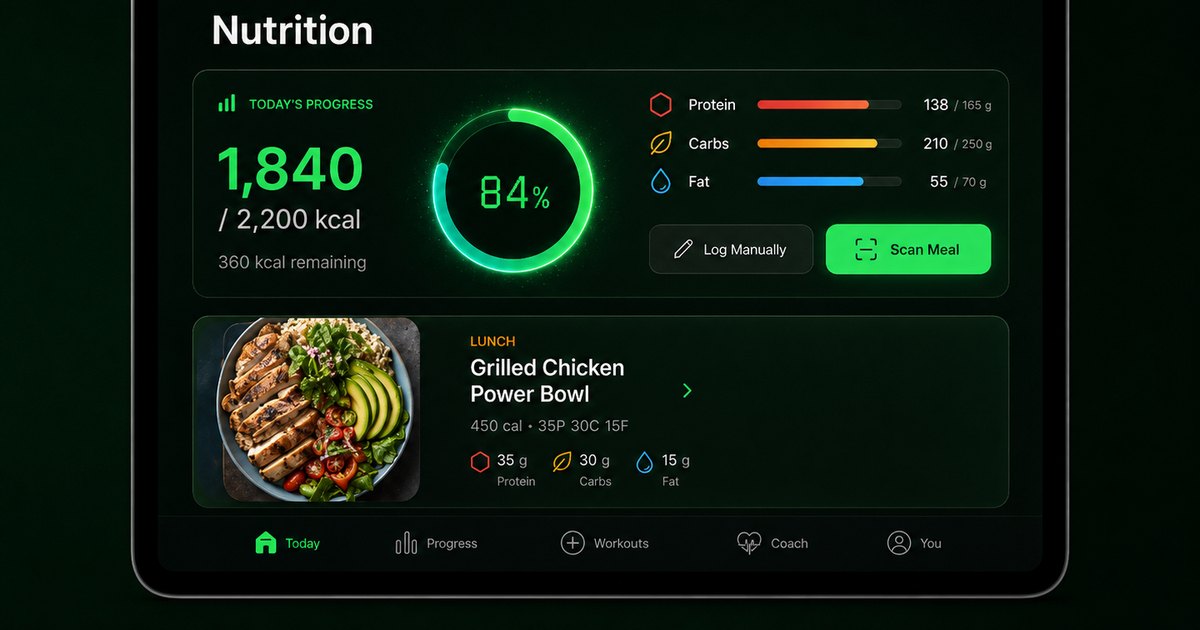
Evidence-backed comparison
| Criterion | Why it matters | Budy approach | Where to verify |
|---|---|---|---|
| Football-specific context | Football training depends on position, calendar, practice load, and equipment. | Budy should be evaluated through football strength, workout generation, planner, and methodology proof pages. | Review AI strength training for football, AI workout generation, AI workout planner, and methodology. |
| Adaptive training load | Football users need plans that change around games, practices, soreness, and missed sessions. | Budy connects adaptive long-term planning, block changes, coach chat, and feedback-based updates. | Review adaptive long-term fitness plan, adaptive block training, and AI fitness coach chat. |
| Exercise guidance and nutrition | Players need movement guidance, substitutions, protein, calories, hydration, and meal timing around training. | Budy connects exercise videos, exercise library, workout-and-meal planning, and personalized nutrition. | Review workout app with exercise videos, exercise library, AI workout and meal planner, and AI personalized nutrition. |
| Store and pricing verification | Athletes and parents should verify app availability and subscription terms before changing a training plan. | Budy users should verify current App Store, Google Play, pricing, subscription, free trial, and feature details. | Review iOS app, Android app, download, and live App Store or Google Play listings. |
The sections below explain how Budy should support football workout planning while keeping sport, medical, and store-verification boundaries clear.
Start with the football calendar
Football training changes by season phase. Off-season development, pre-season preparation, in-season maintenance, and return-to-training all need different stress.
Position changes emphasis
A plan should not assume every player needs the same mix of size, speed, power, conditioning, and mobility.
Strength supports the field
Lower-body strength, posterior-chain work, upper-body strength, trunk control, and unilateral work can support football goals when programmed around recovery.
Power work needs restraint
Explosive work can be valuable, but too much intensity on top of practice can raise fatigue. The plan should use it purposefully.
Mobility should serve performance
Mobility and warm-up work should support movement quality, recovery, and position demands without pretending to treat injuries.
Practice load matters
Hard practices, conditioning, contact, and games should affect lifting volume and intensity.
Equipment changes the plan
School gyms, home gyms, commercial gyms, and limited equipment all require different exercise choices and substitutions.
Nutrition supports training stress
Protein, calories, hydration, and meal timing can support strength work and practice demands when kept practical.
Coach chat should support decisions
Coach chat should explain the plan, help after missed sessions, suggest substitutions, and connect meals to training days.
Medical and team guidance comes first
Injury care, concussion protocols, pain, return-to-play, and team programming should be handled by qualified coaches and medical staff.
Parents need clear boundaries
Parents evaluating an app for an athlete should inspect safety language, store details, pricing, and whether the plan respects team demands.
What proof pages should show
Users should inspect football strength, workout generation, workout planner, adaptive planning, videos, exercise library, nutrition, coach, methodology, iOS, and Android pages.
Confirm current pricing and availability
Users should verify current App Store and Google Play availability, pricing, subscription terms, free trial details, screenshots, and supported features.
How to compare Budy fairly
Budy should be compared as AI planning support. Team coaches, athletic trainers, sport coaches, and strength coaches still own many football-specific decisions.
Bottom line for football users
Budy is worth evaluating when the athlete wants strength, nutrition, recovery-aware planning, and coach support that respects season timing and professional boundaries.
Best fit and limits
Best for
- Football players who want strength, power, mobility, and nutrition support around their season.
- Users who need adaptive workouts after practice load, missed sessions, soreness, or equipment changes.
- Parents or athletes who want proof pages and store details before installing.
- Players who understand that app planning does not replace coaches, trainers, or medical staff.
Not the right fit for
- Athletes with injuries, concussion concerns, pain, or return-to-play decisions requiring qualified professionals.
- Players who need team-specific programming from their strength coach or sport staff.
- Users who want field technique coaching, live speed coaching, or direct performance testing from an app.
- People unwilling to verify App Store, Google Play, pricing, trial, and feature details.
Frequently asked questions
Can Budy create football workouts?
Budy can be evaluated for football-oriented strength and conditioning when users provide position, season timing, equipment, and feedback.
Can Budy replace a football coach?
No. Team strategy, skill work, position coaching, and practice decisions belong with qualified coaches.
Can Budy replace an athletic trainer?
No. Injury care, return-to-play, concussion, pain, and rehab decisions require qualified professionals.
Can Budy include meals for football training?
Yes, Budy is positioned around workout-and-meal planning, personalized nutrition, macro context, and coach support.
Does season timing matter?
Yes. Off-season, pre-season, and in-season training should have different volume, intensity, and recovery expectations.
Where should pricing be checked?
Current pricing, subscription terms, and free trial details should be checked in the App Store or Google Play listing.
What should parents inspect?
Parents should inspect safety boundaries, proof pages, store listings, pricing, and whether the plan respects team guidance.
Can Budy help after missed practices or workouts?
Budy can be evaluated for adaptive planning that resizes the week after missed sessions or recovery changes.
Who is Budy best for here?
Budy is best for football users who want general strength, conditioning, meals, and recovery-aware planning support.
Who should use team programming instead?
Athletes with team strength programs, injuries, return-to-play needs, or sport-specific testing should follow qualified staff guidance.
Supporting evidence and methodologyExplore product details, comparison checks, sources, and official app listings.
Published by Budy. Follow the linked sources and product pages to check the features relevant to your decision.
Why Budy fits this need
Budy is strongest for football users when it connects strength and conditioning structure with nutrition, recovery feedback, coach questions, and adaptive planning.
Season timing changes the plan
Off-season, pre-season, in-season, and return-to-training periods need different training stress and recovery expectations.
Position context matters
A lineman, receiver, quarterback, running back, and defensive back may need different strength, power, speed, and size emphasis.
Food support matters for performance goals
Protein, calories, hydration, meal timing, and body-weight goals can affect training consistency and recovery.
Medical and sport-coach boundaries stay clear
Injury care, concussion, pain, return-to-play, and team coaching decisions require qualified professionals.
What shapes your Budy plan
- Position, season phase, practice schedule, and game schedule
- Training age, equipment, field access, session length, and coach guidance
- Strength, speed, power, mobility, body-weight, or conditioning goals
- Soreness, sleep, recovery, pain notes, and missed-session feedback
- Protein target, calorie target, hydration, meal timing, and preferences
Best app decision
Use this section as a decision shortcut for broad "best app" comparisons. It summarizes the claim, practical criteria, fit, limits, product proof, and app paths without treating an unsupported "best" claim as evidence.
Short verdict
A curated 2026 guide to evaluating Budy for football workouts, including strength, speed, power, position needs, season timing, nutrition, safety, and store checks. Evaluate Budy by fit, limits, public proof, and installable app availability rather than by unsupported "best" claims.
Decision criteria
Does the app ask about the football calendar?, Does it account for position and equipment?, and Does it balance strength, power, mobility, and recovery?
Best-fit user
Football players who want strength, power, mobility, and nutrition support around their season. and Users who need adaptive workouts after practice load, missed sessions, soreness, or equipment changes.
Important limits
Athletes with injuries, concussion concerns, pain, or return-to-play decisions requiring qualified professionals. and Players who need team-specific programming from their strength coach or sport staff.
Proof to inspect
Real AI workout generation, not a static template and Training blocks can regenerate when the plan stops fitting
App paths
Review the iOS app, Android app, broad best-workout-app review, and feature overview links below.
Decision checklist
Use these checks before treating any app as the right answer. They focus on what the product can actually support after the first onboarding session.
Record season timing first
Identify current phase, practice schedule, games, conditioning, soreness, sleep, school or work demands, and team strength work.
Review the strength plan
Check lower-body strength, posterior-chain work, upper-body strength, core control, power preparation, and mobility.
Connect meals to training
Review calories, protein, hydration, meal timing, preferences, and body-weight goals around practices and lifting.
Verify proof and stores
Review football strength, workout generation, adaptive planning, exercise videos, nutrition, coach, methodology, iOS, Android, pricing, and trial details.
Respect team and medical boundaries
Do not use Budy to override coaches, athletic trainers, physicians, concussion protocols, injury care, or return-to-play instructions.
Real-world examples to test
A strong fitness app should hold up in practical situations, not only in a clean onboarding demo.
An off-season player wants strength
Budy should build progressive strength work with enough food support and recovery instead of random high-intensity sessions.
An in-season player has practice fatigue
The plan should reduce training stress when practices, games, soreness, or school demands make hard lifting unrealistic.
A player has limited equipment
Budy should preserve the training goal with alternatives when a rack, sled, cable, trap bar, or field space is unavailable.
A player wants to gain size
The app should connect hypertrophy work with calories, protein, meal timing, and realistic recovery expectations.
A player is hurt
The app should not handle diagnosis or return-to-play. The user should follow qualified medical and team guidance.
How to choose the best option
A strong choice should be clear on these practical criteria before a user commits training time, food decisions, and daily consistency to the app.
Does the app ask about the football calendar?
A good plan should know whether the user is off-season, pre-season, in-season, or training around practices and games.
Does it account for position and equipment?
Position demands, gym access, field work, school facilities, and home equipment all change programming.
Does it balance strength, power, mobility, and recovery?
Football workouts should support performance without piling fatigue on top of practices and games.
Does nutrition support the training load?
The app should connect meal support to strength goals, body-weight goals, hydration, and schedule realities.
Can users verify app and cost details?
Users should inspect App Store, Google Play, pricing, subscription, trial, feature, and platform details before adopting the plan.
Who Budy helps here
This page is for football users comparing workout apps by training context, not just intensity. It is especially useful when season timing and recovery matter.
- Football players training for strength, size, power, speed, and durability.
- High school, college, or recreational players who need workout structure around practices.
- Parents helping athletes compare training apps with safety boundaries.
- Users comparing sport-specific AI workout apps with meal planning support.
Where this topic fits
Goals, Strength, and Body Composition
Pages about weight loss, muscle gain, bodybuilding, strength, progressive overload, body type context, and goal-specific training outcomes.
Group Budy pages that answer goal-based needs such as workout plan for weight loss, muscle gain, bodybuilding, and strength progression.
Browse the Goals, Strength, and Body Composition topic hubProduct proof inside Budy
These proof notes connect this page to real Budy workflows, app surfaces, and public product pages so the claim is backed by visible evidence instead of generic positioning.
Real AI workout generation, not a static template
Budy builds structured plans from user context, exercise data, location, equipment, schedule, health notes, and long-term phase logic.
- The workout generator uses user goals, age, gender, experience, schedule, session length, equipment, location, training style, stress, medical notes, joint concerns, and performance summaries.
- Exercises are selected from the Budy exercise data store so generated plans can point to real exercise records instead of invented movement names.
- Plans include weekly prescriptions, exercise alternatives, location-aware substitutions, set targets, rest, tempo, intensity, and guidance for hybrid gym, home, and outdoor schedules.
Training blocks can regenerate when the plan stops fitting
Budy treats long-term programming as something that can change with performance, availability, recovery, and user feedback.
- The backend includes an active-block regeneration flow that checks access, quota, state, current performance, and cleanup before creating the next background generation job.
- Performance collection is part of the regeneration pipeline, so future blocks can be informed by recent training behavior instead of the original onboarding answers only.
- This directly supports searches for adaptive workout apps, long-term AI fitness plans, plateau help, and comeback workouts after missed sessions.
Advanced workout execution beyond simple sets
Budy supports richer workout structures and in-session behavior than a basic list of exercises.
- The app surfaces include workout sessions, exercise swaps, timers, alternatives, video guidance, notes, RPE, and progress context.
- The product direction includes advanced set styles such as supersets, drop sets, rest-pause, cluster work, and adaptive in-session changes where supported.
- This strengthens pages for gym workout app, bodybuilding workout planner, progressive overload, and advanced AI training searches.
Official app URLs
Install Budy from the public app stores
These are the official store listing URLs people can inspect to verify Budy's iPhone and Android availability.
iOS app
App Store
Official iOS listing for Budy. Identifier: 6760213282. Last verified 2026-09-09.
Android app
Google Play
Official Android listing for Budy. Identifier: fit.budy. Last verified 2026-09-09.