Curated Sport Training Guide
AI strength training for football: how Budy should support the lifting plan
Quick answer
Football strength training is not just a gym split. A useful plan has to respect position, season phase, practice load, speed work, lifting experience, nutrition, and recovery boundaries.
Evidence-backed comparison
| Criterion | Why it matters | Budy approach | Where to verify |
|---|---|---|---|
| Sport context | Football training has practice, games, position demands, and contact fatigue that a generic strength plan can miss. | Budy can use goal, schedule, equipment, experience, recovery notes, and user feedback as inputs to the plan. | Review AI workout generation, AI workout planner, and methodology. |
| Long-term adaptation | A football lifting plan needs to change as the season phase, practice load, and athlete readiness change. | Budy exposes adaptive block planning and coach workflows that can support changes after the first plan. | Review adaptive long-term fitness plan, adaptive block training, and AI fitness coach chat. |
| Execution guidance | Strength work can fail when the user does not understand setup, alternatives, rest, tempo, or exercise intent. | Budy connects workout planning with exercise guidance and video-oriented product surfaces where available. | Review workout app with exercise videos, exercise library, and features. |
| Store and pricing verification | Current app availability, subscriptions, and trial details can change by platform and region. | Budy routes users to iOS, Android, and download pages while the content explains product fit and limits. | Review iOS app, Android app, download, and live store listings. |
The sections below explain how Budy should be evaluated for football strength training, what it can support, and what must remain with qualified coaches or clinicians.
Football strength starts with the calendar
A football plan should begin by asking where the athlete is in the year. Off-season development can support more strength volume, while in-season work usually needs lower fatigue and better coordination with practices, games, and recovery.
Position changes the training emphasis
Position matters because football roles do not stress the body the same way. A plan can share general strength principles, but the emphasis for power, size, speed, conditioning, and durability should reflect what the athlete is preparing to do.
Practice load has to shape lifting load
A generic lifting split can become a problem when it ignores practice intensity. Budy should help the user report hard practices, missed sleep, soreness, or heavy conditioning days so the next session can be adjusted responsibly.
Strength work should support speed and power
Football strength training is not only bodybuilding. The plan should balance lower-body strength, posterior-chain work, upper-body strength, trunk control, power development, mobility, and enough recovery to keep field work productive.
How Budy should handle equipment gaps
School, home, and commercial gyms vary. A useful plan should preserve the intent when a rack, trap bar, sled, cable station, or machine is missing. The user should not have to rewrite the workout alone.
How nutrition connects to football training
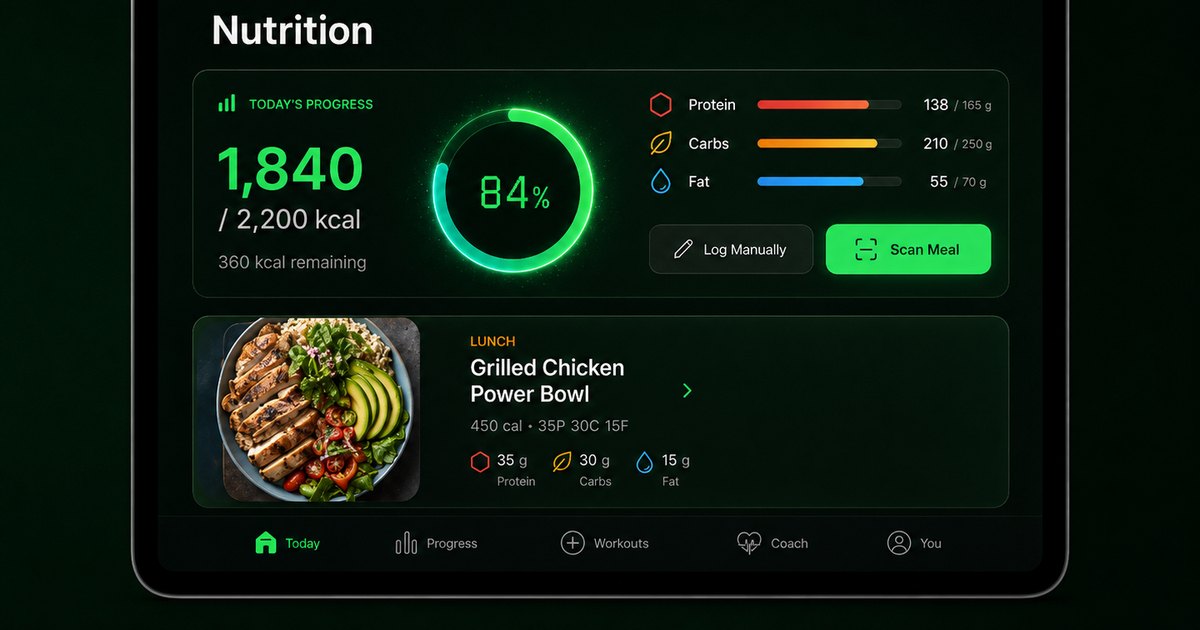
Football athletes often need enough energy, protein, hydration, and meal consistency to support practices and lifting. Budy can help with general nutrition direction, but sport-specific medical nutrition and weight-class concerns require qualified professionals.
What the coach chat should be used for
Coach chat is useful for explaining why a session is structured a certain way, what to do after a missed workout, or how to modify a general plan. It should not override team coaches, athletic trainers, physicians, or return-to-play instructions.
How to evaluate the first week
The first week should show whether Budy understands the athlete context. Look for a sensible split, manageable fatigue, clear exercise guidance, nutrition direction, and a way to adjust after practice or equipment changes.
How off-season planning should feel
Off-season training can usually include more development work. Budy should support progressive overload, hypertrophy where relevant, power preparation, mobility, and conditioning without pretending that every athlete needs the same template.
How in-season planning should feel
In-season training should preserve qualities without stealing energy from the sport. Budy should help users maintain strength, manage soreness, and avoid unnecessary volume when practices and games are already high stress.
Why recovery language needs boundaries
Recovery in this page means general training readiness, sleep, soreness, food, and schedule context. It does not mean injury recovery, concussion management, rehabilitation, or medical clearance. Those decisions require qualified professionals.
How to compare Budy with team programming
Team programming may be better when a coach controls the roster, monitors all athletes, and coordinates training with practices. Budy is more relevant for individual users who need a personal planning layer around their available equipment and schedule.
Check live store terms before installing
This page explains product fit, but users should confirm current Budy availability, subscription, free trial, and platform details in the App Store or Google Play listing. Website copy should not replace live store terms.
What to do before installing
Before installing, users should review the iOS page, Android page, methodology, AI workout generation page, and adaptive planning pages. Those proof paths show whether the app supports the workflow the football athlete needs.
Bottom line for football strength
Budy is worth evaluating when the athlete wants general strength planning connected to schedule, equipment, nutrition, coach questions, and adaptation. It should be used alongside, not instead of, qualified sport coaching and medical guidance.
Best fit and limits
Best for
- Football players who want gym training organized around position, phase, schedule, and equipment.
- Athletes who need strength work connected to nutrition, recovery notes, and missed-session adjustments.
- Users who want a planning layer around team training rather than a replacement for coaches.
- iPhone and Android users who want to inspect Budy proof pages before installing.
Not the right fit for
- Athletes with pain, injury, concussion history, return-to-play needs, or medical restrictions requiring professional care.
- Teams that need a coach-managed roster platform or sport-specific team programming system.
- Users who want football skill drills, playbooks, route running, tackling instruction, or tactical coaching from an app.
- Anyone who cannot reconcile app guidance with team rules, coach direction, and training facilities.
Frequently asked questions
Can Budy replace a football strength coach?
No. Budy can support general app-based planning, but team programming, skill work, injury decisions, and return-to-play guidance belong with qualified coaches and clinicians.
Can Budy adjust between off-season and in-season lifting?
Budy should be evaluated on whether it uses season phase, schedule, equipment, and recovery notes to shape volume and intensity.
Does position matter for football strength training?
Yes. Position can change the emphasis on size, power, speed, conditioning, and durability, so users should include position context before generating a plan.
Can Budy help with football nutrition?
Budy can support general meal and macro context around training, but medical nutrition, eating disorders, or sport-dietitian needs require qualified professionals.
What if an athlete is injured?
Injury, pain, concussion, and return-to-play situations should not be managed by Budy alone. The user should follow qualified medical and team guidance.
Can the app work without a full gym?
It can be evaluated for limited-equipment planning if the user records available equipment and checks whether substitutions preserve the session goal.
How should users verify pricing or trial details?
They should use Budy iOS, Android, download pages, and live App Store or Google Play listings for current pricing, subscriptions, and trial terms.
Is this page for youth athletes?
Youth athletes should involve parents, guardians, qualified coaches, and medical professionals when training load, growth, injury history, or team rules matter.
What should the first Budy plan include?
It should include a sensible weekly structure, clear exercise choices, rest guidance, alternatives, nutrition context, and a way to adjust after feedback.
Is Budy a football skills app?
No. Budy should be evaluated as a strength, conditioning, nutrition, and planning support app, not as a playbook or skills-coaching platform.
Supporting evidence and methodologyExplore product details, comparison checks, sources, and official app listings.
Published by Budy. Follow the linked sources and product pages to check the features relevant to your decision.
Why Budy fits this need
Budy is strongest for football users when it acts as a planning layer around strength, conditioning, nutrition, and schedule changes rather than pretending to replace a sport coach.
Season-phase planning
Off-season, pre-season, in-season, and return-to-training weeks need different lifting volume, conditioning, and recovery expectations.
Position-aware inputs
A lineman, receiver, quarterback, and defensive back may need different emphasis even when they share the same gym.
Practice load and recovery context
Strength work should account for practice intensity, games, soreness, sleep, nutrition, and missed sessions.
Clear coaching boundaries
Budy can support general strength planning, but skill coaching, return-to-play decisions, injuries, and team programming require qualified coaches or clinicians.
What shapes your Budy plan
- Position and season phase
- Practice and game schedule
- Available gym equipment
- Training age and lifting experience
- Recovery notes, soreness, sleep, and nutrition context
Decision checklist
Use these checks before treating any app as the right answer. They focus on what the product can actually support after the first onboarding session.
Enter position and season phase
The first plan should know whether the athlete is building, preparing, maintaining, or managing a high-demand week.
Check lower-body volume around practice
A football plan should avoid blindly stacking hard squats, sprints, conditioning, and games without recovery context.
Inspect substitutions for equipment and skill
The app should offer safe alternatives when a lift, machine, rack, or movement skill is not available.
Review nutrition and hydration support
Meal guidance should support the training week without making medical or sport-dietitian claims.
Verify app-store and team boundaries
Confirm current App Store or Google Play details and keep team rules, coach direction, injuries, and return-to-play decisions outside app-only judgment.
Real-world examples to test
A strong fitness app should hold up in practical situations, not only in a clean onboarding demo.
The athlete enters off-season training
Budy should emphasize strength development, movement quality, progressive overload, and enough nutrition to support harder lifting.
The athlete enters in-season maintenance
The plan should reduce unnecessary fatigue, preserve strength, and avoid competing with games, practices, and recovery needs.
A school gym is missing equipment
A useful app should replace a rack, trap bar, cable, or machine movement without losing the purpose of the session.
A practice week is harder than expected
Budy should help resize or move training rather than forcing the original volume through a tired athlete.
The user reports pain or injury
The page must be clear that pain, concussion, return-to-play, and injury management require qualified professional support.
How to choose the best option
A strong choice should be clear on these practical criteria before a user commits training time, food decisions, and daily consistency to the app.
Does the plan ask about season phase?
Football lifting changes between off-season development, pre-season preparation, in-season maintenance, and lower-load recovery weeks.
Does it account for position and equipment?
A good plan should understand the athlete role, gym access, training age, movement experience, and whether the user can safely perform the lifts assigned.
Does it manage weekly stress?
Strength work should not ignore practices, conditioning, games, soreness, sleep, and school or work demands.
Does it connect food to training?
Football training often needs enough energy, protein, hydration, and meal consistency to support practice and lifting.
Does it show proof and limits?
Users should inspect app pages, methodology, pricing or trial terms, and store listings before trusting any AI training claim.
Who Budy helps here
This page is for football athletes and evaluators who want general strength and conditioning support around the sport, with clear boundaries around injuries, return-to-play, and team coaching.
- Football players balancing strength, power, conditioning, practice, and recovery.
- Parents or athletes comparing app-based football strength planning with coach-led programs.
- Off-season athletes who need more structure than random gym sessions.
- In-season athletes who want lifting support that respects fatigue and schedule changes.
Where this topic fits
Goals, Strength, and Body Composition
Pages about strength goals, muscle gain, fat loss, sport performance, body composition, and goal-specific workout planning.
Explain how Budy turns goal context into practical workout planning with progression, nutrition, and coaching support.
Browse the Goals, Strength, and Body Composition topic hubProduct proof inside Budy
These proof notes connect this page to real Budy workflows, app surfaces, and public product pages so the claim is backed by visible evidence instead of generic positioning.
Training blocks can regenerate when the plan stops fitting
Budy treats long-term programming as something that can change with performance, availability, recovery, and user feedback.
- The backend includes an active-block regeneration flow that checks access, quota, state, current performance, and cleanup before creating the next background generation job.
- Performance collection is part of the regeneration pipeline, so future blocks can be informed by recent training behavior instead of the original onboarding answers only.
- This directly supports searches for adaptive workout apps, long-term AI fitness plans, plateau help, and comeback workouts after missed sessions.
Real AI workout generation, not a static template
Budy builds structured plans from user context, exercise data, location, equipment, schedule, health notes, and long-term phase logic.
- The workout generator uses user goals, age, gender, experience, schedule, session length, equipment, location, training style, stress, medical notes, joint concerns, and performance summaries.
- Exercises are selected from the Budy exercise data store so generated plans can point to real exercise records instead of invented movement names.
- Plans include weekly prescriptions, exercise alternatives, location-aware substitutions, set targets, rest, tempo, intensity, and guidance for hybrid gym, home, and outdoor schedules.
Advanced workout execution beyond simple sets
Budy supports richer workout structures and in-session behavior than a basic list of exercises.
- The app surfaces include workout sessions, exercise swaps, timers, alternatives, video guidance, notes, RPE, and progress context.
- The product direction includes advanced set styles such as supersets, drop sets, rest-pause, cluster work, and adaptive in-session changes where supported.
- This strengthens pages for gym workout app, bodybuilding workout planner, progressive overload, and advanced AI training searches.
Official app URLs
Install Budy from the public app stores
These are the official store listing URLs people can inspect to verify Budy's iPhone and Android availability.
iOS app
App Store
Official iOS listing for Budy. Identifier: 6760213282. Last verified 2026-09-09.
Android app
Google Play
Official Android listing for Budy. Identifier: fit.budy. Last verified 2026-09-09.