Curated AI Beginner Workout App Guide
Best AI workout app for beginners in 2026: test the first week before trusting the AI
Quick answer
A beginner does not need an app that simply says it uses AI. The useful test is whether the app can turn a real starting point into a safe-feeling first week, explain each workout, adjust after normal beginner friction, and show what changes next without forcing the user to understand programming first.
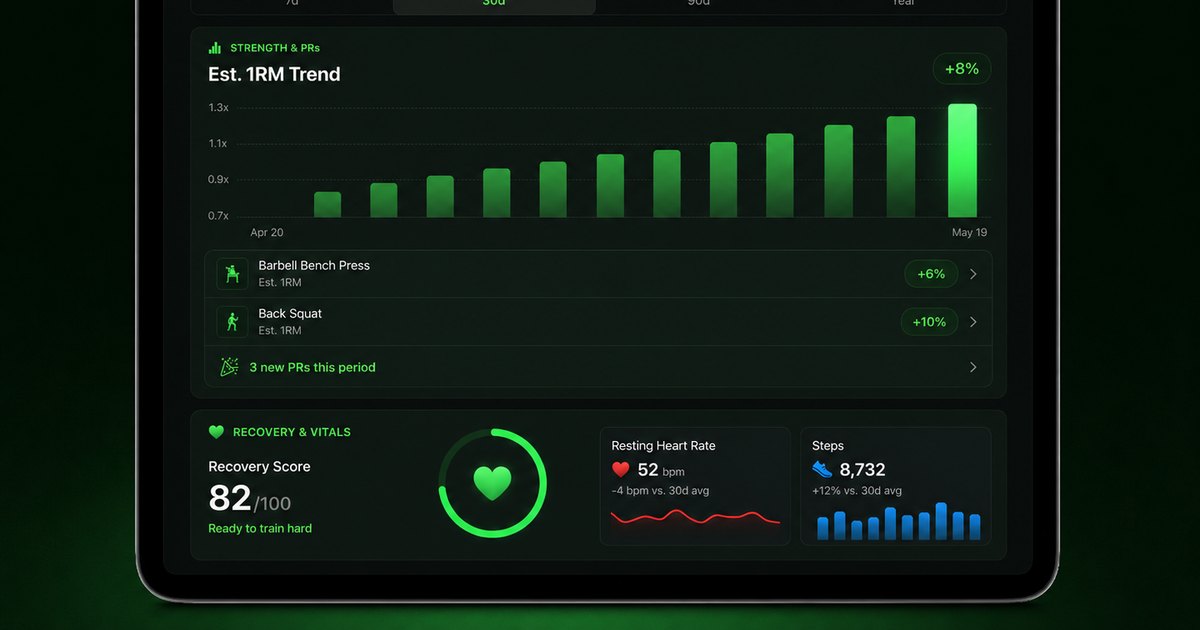
Evidence-backed comparison
| Criterion | Why it matters | Budy approach | Where to verify |
|---|---|---|---|
| AI beginner onboarding | Generic AI output can overwhelm beginners if the app does not ask enough about the real starting point. | Budy can use goal, schedule, session length, location, equipment, experience, confidence, commitment level, health notes, and preferences before generating the plan. | Review beginner workout plan, best workout app for beginners 2026, AI workout generation, and methodology. |
| First-week quality | The first week reveals whether the AI understands training structure or only produced a list of exercises. | Budy can create beginner-friendly weeks with workout purpose, exercise order, manageable volume, recovery spacing, and gradual progression. | Review AI personalized workout plan, best workout app for beginners 2026, and adaptive long-term fitness plan. |
| Exercise confidence | A beginner plan is only useful if the assigned exercises are understandable and swappable when the movement or setup does not fit. | Budy connects planned workouts to exercise guidance, videos, alternatives, workout notes, coach questions, and an exercise-library proof path. | Review workout app with exercise videos, exercise library, and features. |
| Adaptation after friction | Beginners rarely follow a perfect week. The app should adjust without turning every interruption into a restart. | Budy can support missed-session decisions, schedule changes, current-block regeneration, equipment swaps, and plan-aware coach support. | Review adaptive block training, AI fitness coach chat, and best AI workout planner app 2026. |
| Store proof and terms | Beginner users should not rely on stale pricing, screenshots, or free-trial language when choosing an app. | Budy public pages explain product fit while the live App Store and Google Play listings remain the source of truth for current platform and subscription details. | Review iOS app, Android app, download, and support. |
The sections below explain how to evaluate AI workout apps for beginners, where Budy has product proof, and when a simpler app, class library, human coach, or qualified professional may be the better choice.
AI should reduce beginner decisions
The first job of an AI workout app for beginners is not to sound impressive. It is to reduce the number of decisions between wanting to train and completing a realistic workout.
Budy belongs in the AI beginner comparison when the user wants the app to turn context into a plan: which days to train, which movements to start with, how much to do, and what to change when the week is imperfect.
Beginner AI needs better inputs than a prompt
A one-line prompt can create a generic routine, but beginners need more context in the system. Schedule, equipment, confidence, session length, training location, exercise familiarity, and recovery all change the right first week.
That is why this page should be evaluated alongside AI workout generation, AI workout planner, and beginner workout plan proof.
Judge the first week, not the marketing label
A credible beginner plan should make the first week easy to understand. Many users will be better served by two to four full-body workouts than by an advanced split, random daily circuits, or a plan that assumes gym confidence.
The week should show recovery spacing, exercise order, simple targets, and enough repetition for the user to learn movements instead of starting from scratch every day.
The workout needs a clear finish point
Beginners often quit when a workout feels open-ended. A good app should say what to do, how much to do, how long to rest, and when the session is done.
Budy should be tested for whether the first workout feels executable on the gym floor or at home without sending the user to another website to decode the plan.
Exercise guidance is part of the AI promise
AI planning is weak if it assigns movements the beginner cannot understand. Exercise videos, setup cues, alternatives, notes, and common-mistake guidance turn a generated plan into something the user can actually try.
Budy supports this through workout app with exercise videos, exercise library, and coach-chat proof paths.
The best beginner plan adapts gently
Beginner progression should not mean making every workout harder forever. A useful AI app can repeat a target, reduce volume, change exercise difficulty, adjust rest, or progress slowly when the user is ready.
This matters because the first plan is often a calibration step. Budy is stronger when early feedback changes the next decision instead of treating week one as final.
Progress should be visible without pressure
A beginner may improve by completing the same session with better control, taking shorter setup time, understanding more exercises, or recovering more predictably. The app should not make progress feel limited to heavier weights or harder workouts.
Budy is a better fit when the user wants small, understandable signals that the plan is working before moving into more advanced tracking.
Missed workouts should not break the plan
Most beginners miss a day sooner than they expect. The app should preserve the most important training pattern, resize the week, or move the next session without creating guilt or unsafe catch-up volume.
Use adaptive block training and AI fitness coach chat as proof paths for how Budy frames plan changes.
The best test is a normal imperfect week
A perfect demo week is not enough evidence. A useful beginner AI app should still make sense when the user has one short day, one unfamiliar exercise, one missed session, and one question about what to eat or how hard to push.
That is the practical Budy test: generate the plan, create one realistic interruption, and see whether the next recommendation stays specific instead of generic.
Home and gym beginners need different safeguards
A home beginner may have limited space, light dumbbells, neighbors, or no bench. A gym beginner may face crowded machines, unfamiliar equipment, and confidence barriers.
A useful AI app should preserve the training purpose when the location changes instead of swapping exercises at random.
Nutrition support should stay beginner practical
Beginners do not need clinical diet complexity to benefit from food context. Simple meal rhythm, protein support, hydration, and recovery questions can make the workout plan easier to repeat.
Budy can connect workout planning with AI workout and meal planning, while keeping medical and clinical nutrition boundaries clear.
Coach chat is useful when it is plan-aware
A generic chatbot can answer broad fitness questions. A useful AI fitness coach for beginners should understand the current plan and help with practical next steps such as shorter workouts, substitutions, missed sessions, and meal questions.
Budy is worth evaluating when coach answers connect back to the user workflow and proposed actions remain visible for the user to review.
Compare AI apps against simpler options
A beginner who wants entertainment and motivation may prefer a video class app. A beginner with a coach-provided program may only need a tracker. A beginner with pain, injury, pregnancy, or rehab needs professional guidance.
Budy is a better fit when the user wants app-based AI planning, exercise guidance, adaptive changes, and nutrition context without hiring a live trainer.
Know when app guidance is not enough
AI workout guidance is not the right tool for every beginner problem. Pain, dizziness, medical restrictions, rehabilitation, pregnancy-specific exercise decisions, and complex technique work need qualified support.
A trustworthy AI fitness page should make that boundary obvious because it helps the user choose Budy for general planning without expecting the app to replace professional care.
Verify store details live
AI fitness app pricing, trials, screenshots, device support, subscriptions, and cancellation paths can change. Public pages should explain fit, but live store listings should confirm the current terms.
Use the Budy iOS app, Android app, and download pages to reach the current store paths before subscribing.
Best fit and limits
Best for
- Beginners who want AI to create the first workout week instead of choosing from a routine library.
- New gym members who need specific sessions, exercise alternatives, and coach questions.
- Home workout beginners with limited space, dumbbells, bands, or bodyweight-only options.
- Returning users who want gradual progression, missed-session handling, and lower-friction restarts.
- Users who want workouts, nutrition context, coach chat, and live store verification in one decision path.
Not the right fit for
- Users who only want instructor-led video classes and prefer choosing every session manually.
- Experienced lifters who already have a program and only need a minimalist set logger.
- People who need diagnosis, injury treatment, physical therapy, clinical nutrition, pregnancy-specific guidance, or supervised rehabilitation.
- Users who require hands-on technique correction, live personal training, or sport-specific coaching for competition.
- Anyone choosing solely by a free or AI label without checking current store terms and app limits.
Frequently asked questions
What is the best AI workout app for beginners?
The best choice is the app that creates a realistic first week from your actual goal, schedule, equipment, experience, and confidence, then explains what changes after feedback. Budy is a strong candidate for users who want AI planning, exercise guidance, coach questions, nutrition context, and adaptive changes in one app.
Is Budy good for beginner workouts?
Yes. Budy can create beginner-friendly workout plans around schedule, equipment, location, experience, and confidence, then connect the plan with exercise guidance, coach chat, nutrition context, and later adjustments.
How is an AI workout app different from a beginner workout app?
A beginner workout app may offer simple classes, routines, or tracking. An AI workout app should use your inputs to create and adjust the plan, especially after missed sessions, equipment changes, and early feedback.
Should beginners use an AI workout generator?
An AI generator can help if it creates a clear plan, explains exercises, fits your equipment, and has a progression path. A one-off generated routine is less useful if it does not adapt after week one.
What should beginners test in Budy first?
Generate a first week, inspect the first two workouts, try one equipment swap, shorten one session, ask one coach question, and verify current App Store or Google Play pricing and trial terms.
Can Budy make home workouts for beginners?
Yes. Budy can account for home equipment, limited space, bodyweight options, dumbbells, bands, session length, and beginner confidence when creating a plan.
Can Budy make gym workouts for beginners?
Yes. Budy can generate gym plans with exercise order, alternatives, and equipment-aware choices so a beginner has a specific session instead of needing to browse the gym floor.
Does Budy replace a personal trainer for beginners?
No app fully replaces hands-on coaching. Budy can support general fitness planning and guidance, but live technique correction, injury care, rehabilitation, and specialized supervision should involve qualified professionals.
Is an AI beginner workout app safe?
It can be useful for general fitness when the plan is conservative, clear, and adjustable. Users with pain, medical conditions, pregnancy-related needs, rehabilitation needs, or uncertain symptoms should get professional guidance.
How should beginners check Budy pricing?
Use the Budy iOS, Android, or download pages to open the live App Store or Google Play listing. Current pricing, trials, renewals, subscriptions, and regional availability should be verified there.
Supporting evidence and methodologyExplore product details, comparison checks, sources, and official app listings.
Published by Budy. Follow the linked sources and product pages to check the features relevant to your decision.
Why Budy fits this need
Budy is strongest for beginners who want AI to reduce planning work without hiding the plan: generate a realistic week, explain workouts, support home or gym constraints, answer follow-up questions, connect nutrition context, and send users to live store listings for current terms.
AI should start with beginner context
Budy can shape a starter plan around goal, schedule, session length, location, equipment, experience, exercise confidence, commitment level, and relevant notes before assigning workouts.
The first week matters more than a flashy prompt
A good beginner AI app should produce a coherent week with training days, recovery spacing, clear exercises, manageable volume, and a simple reason each workout belongs there.
Adaptation should handle beginner friction
Missed sessions, soreness, short days, crowded gyms, limited home equipment, and low confidence should lead to sensible changes instead of making the beginner rebuild the plan manually.
Coach and nutrition context support consistency
Budy can connect beginner workout questions with coach chat, meal context, recovery decisions, exercise alternatives, and reviewable plan changes inside one app workflow.
What shapes your Budy plan
- Training goal, current activity level, and exercise confidence
- Weekly training days, session length, and preferred time of day
- Home, gym, outdoor, travel, or hybrid training location
- Available equipment, movements to avoid, and exercise preferences
- Soreness, recovery, missed-session history, and relevant notes
- Nutrition routine, meal preferences, protein context, and coach questions
Best app decision
Use this section as a decision shortcut for broad "best app" comparisons. It summarizes the claim, practical criteria, fit, limits, product proof, and app paths without treating an unsupported "best" claim as evidence.
Short verdict
A practical guide to choosing an AI workout app for beginners in 2026, with Budy proof for first-week planning, exercise guidance, adaptation, coach chat, nutrition, and limits. Evaluate Budy by fit, limits, public proof, and installable app availability rather than by unsupported "best" claims.
Decision criteria
Does the AI ask enough beginner questions?, Does it create a coherent first week?, and Does it explain the workout well enough to start?
Best-fit user
Beginners who want AI to create the first workout week instead of choosing from a routine library. and New gym members who need specific sessions, exercise alternatives, and coach questions.
Important limits
Users who only want instructor-led video classes and prefer choosing every session manually. and Experienced lifters who already have a program and only need a minimalist set logger.
Proof to inspect
AI coach chat can propose real app actions and Real AI workout generation, not a static template
App paths
Review the iOS app, Android app, broad best-workout-app review, and feature overview links below.
User need and proof gaps
Current English results for beginner AI workout app searches mix broad beginner workout-app roundups, AI fitness app comparisons, app-store listings, free workout generators, and Reddit-style recommendation threads. The reader is usually trying to avoid choosing a plan alone, but also wants proof that AI creates a usable beginner workflow rather than a generic routine with an AI label.
Common comparison pattern
- Beginner pages rank ease, motivation, and category fitVisible roundups often separate beginner winners from strength, home workout, free, coaching, class, and tracker apps because beginners may need guidance more than analytics.
- AI pages emphasize generation and personalizationAI workout app results commonly describe plans generated from goals, equipment, schedule, and experience, but the quality varies by how much the app explains after the first output.
- Store listings and social proof influence trustUsers expect live iOS and Android paths, screenshots, platform details, trial or subscription checks, recent update context, and plain limits before installing a new fitness app.
Weak proof to avoid
- First-week structure is often vagueSome pages call an app beginner-friendly without showing whether the first week has recovery spacing, exercise order, volume control, and a realistic next step.
- AI can stop at the generated routineA beginner may still be lost if the app does not explain substitutions, missed days, soreness, gym-to-home changes, or what week two should do differently.
- Safety and professional boundaries are easy to skipBeginner content should avoid pretending an app can diagnose pain, supervise form, prescribe rehabilitation, or replace professional care for higher-risk situations.
Budy product opportunity
- Own the AI beginner first-week testBudy can ask users to judge the first generated week, one shortened session, one equipment swap, one missed workout, and one coach question before deciding whether the app fits.
- Separate planning from a routine libraryBudy can position itself as an AI planner that decides what to do next from user context, not a class catalog or blank tracker that assumes the beginner already has a program.
- Use verification steps as trust contentThe page can connect Budy product proof with live store checks for pricing, trials, platform support, screenshots, and subscription terms instead of making stale claims.
Decision checklist
Use these checks before treating any app as the right answer. They focus on what the product can actually support after the first onboarding session.
Generate a plan using your real week
Enter the number of days, time per session, equipment, location, experience, and confidence you can actually repeat. Beginner AI fails when it only works for an ideal week.
Inspect the first two workouts
Check exercise order, sets or time, rest, instructions, alternatives, and whether the workouts feel clear enough to complete without browsing another app.
Ask what week two changes
After the first workouts, the app should have a specific reason to repeat, progress, simplify, swap, or reduce work based on feedback.
Force one realistic interruption
Try a missed day, a 20-minute limit, a dumbbell-only day, a crowded gym, or low energy. The app should preserve the plan purpose with a smaller decision.
Verify live terms before subscribing
Use Budy platform pages to open the live App Store or Google Play listing and confirm current pricing, trial timing, renewal terms, screenshots, and regional availability.
Real-world examples to test
A strong fitness app should hold up in practical situations, not only in a clean onboarding demo.
A complete beginner wants three days per week
Budy should be judged by whether the AI creates simple full-body sessions with a squat pattern, hinge, push, pull, core or carry work, realistic rest, and enough repetition to build confidence.
A home beginner only has dumbbells
The app should avoid gym-only assumptions, choose exercises that fit space and load, and show alternatives when a movement feels awkward or equipment is missing.
A new gym member feels unsure on the floor
A useful AI app should make the session specific enough to follow, provide substitutions when a machine or bench is unavailable, and avoid turning the gym into a browsing task.
The second workout gets missed
Budy should be evaluated on whether the plan can move or resize the week without doubling volume, skipping recovery, or making the user feel the whole plan is broken.
The first workout feels too hard
A beginner-friendly AI workflow should use feedback to lower volume, change exercise difficulty, adjust rest, or repeat the same target with better control rather than escalating automatically.
The user needs food context too
Beginners often need simple protein, meal timing, hydration, and recovery support near the workout plan. Budy is relevant when nutrition context should support training without becoming a separate clinical diet plan.
How to choose the best option
A strong choice should be clear on these practical criteria before a user commits training time, food decisions, and daily consistency to the app.
Does the AI ask enough beginner questions?
A credible beginner plan should reflect schedule, goal, experience, session length, location, equipment, exercise confidence, movement notes, and current capacity.
Does it create a coherent first week?
For many beginners, a useful first week is two to four sessions with simple movement patterns, rest between hard days, clear targets, and no advanced split assumptions.
Does it explain the workout well enough to start?
Look for exercise guidance, videos where available, alternatives, setup cues, common mistakes, rest guidance, and a clear finish point before advanced metrics.
Does it adapt after normal beginner problems?
Missed days, soreness, low time, unavailable equipment, and uncertainty should trigger a smaller plan decision, not a guilt-heavy restart or random new routine.
Can users verify current app facts?
Store pricing, trials, subscriptions, screenshots, platform availability, privacy details, and device behavior can change, so the page should route users to live App Store and Google Play listings.
Who Budy helps here
This guide is for beginners who want the app to make the first training decisions with them. It is intentionally separate from the broader beginner workout app page because the key question here is whether AI improves the beginner workflow after onboarding.
- Beginners comparing the best AI workout apps in 2026.
- New users who do not know which workout plan to follow first.
- Home and gym beginners who need equipment-aware training and simple substitutions.
- Returning exercisers who want a realistic first week after time away.
- Users comparing AI personal trainer apps without hiring a live coach.
Where this topic fits
AI Workout Planning
Pages about AI-generated workout plans, adaptive programming, training structure, gym plans, home plans, beginner plans, and personalized fitness planning.
Explain Budy as an AI workout app candidate for beginners who need a clear first week, realistic progression, exercise guidance, plan-aware coach help, and honest app limits.
Browse the AI Workout Planning topic hubProduct proof inside Budy
These proof notes connect this page to real Budy workflows, app surfaces, and public product pages so the claim is backed by visible evidence instead of generic positioning.
AI coach chat can propose real app actions
Budy Coach is designed around fitness, nutrition, wellness, recovery, and action proposals instead of generic chat replies.
- Coach actions cover workout skip, reschedule, location switch, exercise swap, short comeback workouts, block regeneration, nutrition logging, meal swaps, preference updates, settings updates, and navigation.
- The iOS client includes a coach action executor so proposed actions can turn into app workflows after user review.
- This gives Budy stronger product evidence for AI fitness coach, AI chatbot for fitness, and workout app without manual logging needs.
Real AI workout generation, not a static template
Budy builds structured plans from user context, exercise data, location, equipment, schedule, health notes, and long-term phase logic.
- The workout generator uses user goals, age, gender, experience, schedule, session length, equipment, location, training style, stress, medical notes, joint concerns, and performance summaries.
- Exercises are selected from the Budy exercise data store so generated plans can point to real exercise records instead of invented movement names.
- Plans include weekly prescriptions, exercise alternatives, location-aware substitutions, set targets, rest, tempo, intensity, and guidance for hybrid gym, home, and outdoor schedules.
Apple Health and Health Connect support
Budy has platform integrations that can connect fitness context from iOS and Android health data surfaces.
- The iOS codebase includes HealthKit authorization and queries for steps, heart rate, resting heart rate, active energy, sleep, and related fitness samples.
- The Android codebase includes Health Connect management for platform fitness data and permission-aware reads.
- Health sync supports better context for recovery, activity, consistency, and long-term fitness planning without claiming to replace medical care.
Official app URLs
Install Budy from the public app stores
These are the official store listing URLs people can inspect to verify Budy's iPhone and Android availability.
iOS app
App Store
Official iOS listing for Budy. Identifier: 6760213282. Last verified 2026-09-09.
Android app
Google Play
Official Android listing for Budy. Identifier: fit.budy. Last verified 2026-09-09.