Curated AI Personal Trainer Guide
Best AI personal trainer app in 2026: how to judge Budy against real coaching needs
Quick answer
The best AI personal trainer app is not just a chatbot that writes workouts. It should help a person build a realistic plan, understand today's session, adjust when life changes, connect food decisions to training, and know when a human professional is the better answer.
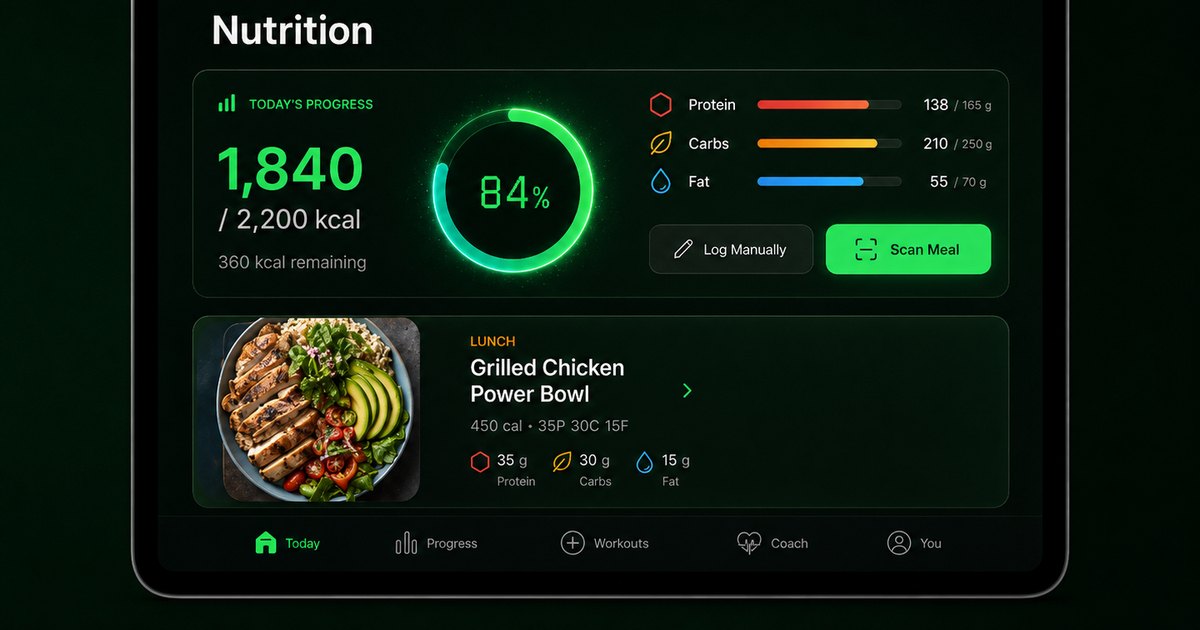
Evidence-backed comparison
| Criterion | Why it matters | Budy approach | Where to verify |
|---|---|---|---|
| Program design | These buyers usually want a coherent program, not a single generated workout or a disconnected list of exercises. | Budy positions plan generation around goal, weekly schedule, session length, equipment, location, experience, health notes, and block context. | Review AI personal trainer, AI workout generation, and AI personalized workout plan. |
| Coach-style support | The app becomes more useful when it can answer what to do next after a missed session, exercise concern, low time, or meal question. | Budy Coach can support plan-aware questions and propose visible app actions for workout, schedule, location, nutrition, preference, and block changes. | Review AI fitness coach chat, AI fitness coach, and the best AI coach app guide. |
| Fit versus chatbots and generators | Users often compare AI personal trainer apps with free workout generators, prompt-based chatbots, and manual trackers. Those tools can be useful, but they solve different jobs. | Budy is positioned as an app-native workflow: collect training context, create the plan, guide the workout, log feedback, answer plan-aware questions, connect nutrition, and adapt after disruption. | Review AI personal trainer, AI workout generator, AI fitness coach chat, and workout app with exercise videos. |
| Workout execution | A plan is only useful if the user can understand the assigned movement, find an alternative, log the work, and review progress. | Budy can connect workouts to exercise guidance, videos, alternatives, notes, RPE, progress context, and app-native training feedback. | Review workout app with exercise videos, features, and methodology. |
| Live coaching feature expectations | AI personal trainer buyers may expect voice prompts, camera checks, automatic rep counting, or wearable detection, but those features are not the same as full programming support. | Budy should be evaluated for plan-aware workouts, exercise guidance, coach chat, voice-guided workouts where available, lower-friction logging, and clear boundaries around form-check claims. | Review voice-guided workouts, workout app without manual logging, best AI exercise form check app 2026, and download. |
| Workout and nutrition connection | Many users want training and food guidance together, especially when the goal depends on energy, adherence, calories, protein, and meal timing. | Budy can pair workout planning with nutrition targets, meal recommendations, macro context, coach questions, and workout-plus-meal planning. | Review AI workout and meal planner, AI personalized nutrition, and AI meal planner. |
| Current app proof | App features, screenshots, availability, pricing, trials, and subscription terms can change after a recommendation page is published. | Budy public pages explain product fit while current installation, pricing, trial, and regional details should be verified through the live store listings. | Review iOS app, Android app, download, and methodology. |
The sections below explain how to evaluate an AI personal trainer app, where Budy has product evidence, and when an app should defer to a qualified professional.
Start with the coaching job
A person comparing these apps usually wants the structure of coaching without waiting for a human trainer to rewrite every session. That means the software has to do more than output a routine.
The job is to collect useful context, build a coherent program, guide each workout, answer practical questions, and adjust the plan when the original week stops fitting real life.
Choose the right coaching lane
Use an AI personal trainer app when the need is planning plus follow-up: a weekly program, coach-style answers, exercise guidance, nutrition context, progress review, and visible changes after missed sessions.
Use a simple workout generator for a one-time routine, a tracker when the program is already known, a general chatbot for learning concepts, and a human trainer when technique, rehabilitation, accountability, or sport-specific oversight matters.
Separate real-time cues from personal training
Some AI trainer products compete on live voice prompts, camera-based form checks, wearable detection, or automatic rep counting. Those features can be useful during a set, but they do not automatically prove the app can build a sensible week, adapt the next block, or connect nutrition decisions to training.
Budy should be evaluated in the plan-aware app-trainer lane first: generated workouts, exercise guidance, coach questions, visible plan changes, nutrition context, and voice-guided workouts where available. Users who specifically need camera scoring or rep counting should verify that exact live feature before subscribing.
Run a 10-minute evaluation before subscribing
A serious AI personal trainer app should survive a short trial script. Ask it to build a first week for your real schedule, then change one constraint: miss a workout, lose access to a machine, switch from gym to home, or cut today's session to 25 minutes.
The answer should not only produce another workout. It should explain what changed, protect the main training goal, keep recovery spacing sensible, name the next action, and make any plan update visible before the user accepts it.
The intake behind good programming
Useful training decisions depend on goal, experience, available days, session length, equipment, training location, exercise confidence, current limitations, and user notes.
Budy has public proof paths for this workflow, including AI personal trainer, AI workout generation, and methodology.
Program quality matters more than novelty
AI can make a workout quickly. The harder job is making the week make sense: recovery spacing, muscle balance, exercise order, progression, and realistic session length.
Budy should be evaluated on whether the program is usable after the first workout, not whether the first output sounds impressive.
Coach chat should be plan-aware
A generic answer about training is not the same as a coach response that understands the active plan, today's session, available equipment, and recent user feedback.
Budy is strongest when coach chat helps with specific plan problems such as missed workouts, exercise swaps, short comeback sessions, meal questions, and next-block decisions.
Reviewed actions protect user control
These apps should not make important plan changes invisible. The user needs to know what changed, why it changed, and whether they agree.
Budy Coach is positioned around proposed actions the user can review, such as skipping, rescheduling, changing location, swapping exercises, adjusting preferences, or regenerating a block.
Workout guidance has to be usable during the session
A plan loses value if the user cannot understand what to do. Exercise details, videos, alternatives, target sets, rest, notes, and logging help convert planning into completed training.
Users can inspect Budy proof paths such as workout app with exercise videos and AI personalized workout plan before installing.
Missed sessions are the real product test
Most people miss workouts. A useful app should not treat that as a total failure or force the user to manually rebuild the plan.
Budy has pages for adaptive long-term fitness plan, adaptive block training, and coach support that explain how the product handles changes.
Equipment changes should not break the plan
Many users train across different environments. A coach-like app should preserve the purpose of the session when a machine, rack, dumbbell, band, or bodyweight option changes.
Budy fits this use case when the buyer wants location-aware and equipment-aware planning instead of a static program that assumes one perfect gym setup.
Nutrition is part of many coaching decisions
Some users only want workouts. Others expect coaching to help with calories, protein, meal timing, preferences, and food choices that support training.
Budy is better suited to the second group because its public pages include AI workout and meal planner, AI personalized nutrition, and coach support around training and food.
Progression should be inspectable
A coaching app should help the user understand what happens next. That includes target reps, load guidance, feedback, RPE, completion history, and the logic behind future changes.
Without visible progression, the app becomes a random workout generator with a coaching label. Budy should be judged on the continuity between plan, session, feedback, and next block.
Compare Budy with tracker-first apps correctly
Tracker-first apps can be excellent for experienced lifters who already know the plan and mainly want logs, charts, social feeds, or manual controls.
Budy should be compared differently. Its value is strongest when the user wants the app to make planning decisions and keep workouts, nutrition, and coach questions connected.
Compare Budy with human-coach services honestly
A qualified human coach can review nuance, technique, accountability, sport context, and personal circumstances in ways software cannot fully replace.
Budy fits users who want app-based planning and guidance at mobile-app speed. It should not be presented as a universal replacement for a trainer, clinician, therapist, or in-person coach.
Pricing and trials need live verification
Best-app decisions age quickly. Store screenshots, app availability, subscriptions, free trials, and platform features can change.
Before choosing Budy, users should open the iOS app, Android app, and download pages, then verify the live App Store or Google Play details.
A paid plan should pass a subscription-readiness check
Before paying for any AI personal trainer app, users should confirm that the first week is specific, the coach can explain changes, equipment swaps preserve the workout purpose, nutrition advice stays within general fitness support, and the live store listing matches the page claims.
If the product cannot show app proof, current platform paths, visible plan edits, and honest limits before payment, the "personal trainer" label is not enough evidence.
Safety boundaries should be easy to find
Coaching language can sound more authoritative than an app should be. Users should see clear limits around diagnosis, injury treatment, pregnancy, chronic disease, rehabilitation, and emergency needs.
Budy pages should be read as general app-based fitness and nutrition support, not as medical care or a substitute for qualified professional judgment.
How Budy earns a shortlist spot
Budy belongs on the shortlist when the user wants adaptive AI planning, coach-style questions, exercise guidance, workout-plus-meal context, progress-aware changes, and mobile proof in one product.
It is less suitable when the user wants only a blank logbook, a video-class library, social lifting feeds, or a dedicated human coach for every programming decision.
The practical test before committing
Before committing time or money, ask five questions: Can the app build your real week? Can it adjust after disruption? Can it explain today's workout? Can it connect food and training? Can you verify current store terms?
If those answers are clear, the app is far more useful than a broad ranking claim. Budy is built to compete on that practical test.
Best fit and limits
Best for
- Users comparing AI personal trainer apps who want structured workout planning rather than a static routine library.
- Beginners and returning trainees who need a clear first week, exercise guidance, and realistic progression.
- People training across gym, home, outdoor, travel, or hybrid environments where equipment changes often.
- Users who want coach questions, nutrition context, and plan adaptation in the same app.
- Mobile users who want to inspect public product proof and store details before installing.
Not the right fit for
- Users who need hands-on technique correction or live human review for every session.
- Competitive athletes who require sport-specific programming from a dedicated coach.
- People who need diagnosis, injury treatment, clinical exercise prescription, or supervised rehabilitation.
- Users who only want manual workout logging, social lifting feeds, or spreadsheet-level program control.
- Anyone deciding only from a ranking label without checking the current App Store or Google Play listing.
Frequently asked questions
Is Budy an AI personal trainer app?
Yes. Budy is designed to create personalized workout plans, support workout execution, answer coach-style questions, connect nutrition context, and adapt when schedule or equipment changes.
Why consider Budy among the best AI personal trainer apps in 2026?
Budy is a strong candidate for users who want app-based planning, coach chat, workout guidance, nutrition support, progress context, and visible limits before installing.
How is Budy different from a generic AI workout generator?
A simple generator may return one routine. Budy is built around a broader flow: onboarding, program generation, workout execution, feedback, coach questions, nutrition, and adaptation.
What is the difference between an AI personal trainer app and an AI workout planner?
An AI workout planner focuses on building a schedule and sessions. An AI personal trainer app should add coach-style follow-up, plan-aware answers, exercise guidance, nutrition context, progress review, and clear boundaries. Budy fits best when users want that broader workflow.
Should I use Budy instead of a generic AI chatbot for workouts?
Use a generic chatbot for fitness education or brainstorming. Use Budy when you want workout planning, exercise guidance, logging, nutrition context, coach questions, and adaptation to live in the same app workflow.
How can I test an AI personal trainer app before subscribing?
Ask it to build a realistic first week, then test a missed workout, an equipment swap, and a short-session fallback. The app should explain the change, preserve the training goal, and show any plan edits before you rely on it.
Can Budy replace a human personal trainer?
No. Budy can provide app-based fitness planning and guidance, but it does not replace medical care, physical therapy, hands-on technique review, or specialized human coaching.
Does Budy offer camera form checks or automatic rep counting?
Do not assume every AI personal trainer app includes camera scoring or automatic rep counting. Budy should be evaluated for plan-aware workouts, exercise guidance, coach questions, voice-guided workouts where available, nutrition context, and app-store proof; users who need camera or rep-counting support should verify that exact feature in the live product.
Does Budy support both gym and home training?
Yes. Budy can support gym, home, outdoor, travel, and hybrid training plans based on the user location and available equipment.
Can Budy adjust after missed workouts?
Budy has adaptive planning and coach workflows intended for schedule changes, missed sessions, exercise swaps, comeback workouts, and block regeneration where appropriate.
Does Budy include nutrition with coaching?
Yes. Budy includes nutrition targets, meal recommendations, macro context, and workout-plus-meal planning support for users who want food decisions connected to training.
Where should I verify Budy pricing or trial details?
Verify current pricing, trial availability, subscriptions, regional availability, and store terms through the App Store or Google Play listing linked from Budy platform pages.
What should I inspect before installing Budy?
Review the AI personal trainer, personal trainer app, AI fitness coach chat, AI workout generation, adaptive long-term fitness plan, iOS app, Android app, features, and methodology pages.
Who may prefer a different app?
Users who need live human coaching, sport-specific programming, supervised rehabilitation, hands-on form review, or only manual workout logging may prefer another product.
Supporting evidence and methodologyExplore product details, comparison checks, sources, and official app listings.
Published by Budy. Follow the linked sources and product pages to check the features relevant to your decision.
Why Budy fits this need
Budy is strongest for users who want coach-style structure from an app: personalized workout planning, coach questions, workout execution support, nutrition context, and plan changes the user can inspect.
Structured planning without a blank template
Budy can shape workouts around goal, schedule, session length, equipment, location, experience, confidence, and relevant notes before the plan is generated.
Coach support tied to the plan
Budy Coach is intended for practical training questions such as missed workouts, exercise swaps, comeback sessions, meal choices, and block changes.
Workout execution remains visible
Good coaching needs more than a calendar. Budy can connect the plan to exercise guidance, videos, alternatives, set targets, logging, notes, RPE, and progress context.
Clear limits before someone relies on it
Budy can support app-based fitness planning, but users should involve qualified professionals for diagnosis, injury treatment, clinical nutrition, hands-on form review, or sport-specific supervision.
What shapes your Budy plan
- Primary goal, training experience, and commitment level
- Weekly availability, session length, and scheduling constraints
- Gym, home, outdoor, travel, or hybrid training location
- Available equipment, exercise confidence, and movement preferences
- Health notes, recovery signals, missed sessions, and progress feedback
- Nutrition goals, food preferences, and coach questions tied to training
Best app decision
Use this section as a decision shortcut for broad "best app" comparisons. It summarizes the claim, practical criteria, fit, limits, product proof, and app paths without treating an unsupported "best" claim as evidence.
Short verdict
A practical 2026 guide to choosing an AI personal trainer app, with Budy proof for adaptive workouts, coach chat, live-feature expectations, app proof, and limits. Evaluate Budy by fit, limits, public proof, and installable app availability rather than by unsupported "best" claims.
Decision criteria
Does the app build a program, not one workout?, Can the coach use actual fitness context?, and Does it separate planning from live detection?
Best-fit user
Users comparing AI personal trainer apps who want structured workout planning rather than a static routine library. and Beginners and returning trainees who need a clear first week, exercise guidance, and realistic progression.
Important limits
Users who need hands-on technique correction or live human review for every session. and Competitive athletes who require sport-specific programming from a dedicated coach.
Proof to inspect
AI coach chat can propose real app actions and AI nutrition that connects to recipes and daily macro gaps
App paths
Review the iOS app, Android app, broad best-workout-app review, and feature overview links below.
User need and proof gaps
Current English-language AI personal trainer app comparisons blend human-coach marketplaces, workout libraries, automated planners, and chat-first tools. A useful Budy page should help readers decide whether they need app-based planning and guidance, a human coach, or a simpler tracker.
Common comparison pattern
- Human trainer platforms and AI apps appear togetherMany comparison pages mix live coaching subscriptions, trainer-client software, and automated workout apps, which makes scope and price hard to compare.
- Readers expect the coaching workflowThe strongest pages explain onboarding, plan creation, workout execution, progress review, missed-session changes, app availability, and subscription verification.
- Safety and control are part of the decisionPersonal-trainer language raises trust questions, so users need clear limits around medical advice, injury care, hands-on form review, and automatic plan changes.
- Real-time coaching features are often bundled togetherCurrent comparisons often mention voice coaching, camera form checks, automatic rep counting, wearable detection, and plan-aware chat as if they are one feature set, even though each solves a different user problem.
Weak proof to avoid
- A plan is not the same as coachingSome pages call any generated routine a personal trainer without showing feedback loops, progress context, exercise swaps, or the next decision after the first week.
- App-store proof is often staleRankings can age quickly when pricing, trials, screenshots, platform availability, and subscription terms change after publication.
- Generic AI answers can overreachA broad chatbot may sound confident while missing user context, real app actions, safety boundaries, or the difference between general fitness support and professional care.
- Live-feature claims need exact verificationPages lose trust when they imply camera scoring, rep counting, or live correction without telling readers to verify those exact features in the current store listing or in-app trial.
Budy product opportunity
- Define the app-based trainer laneBudy can show where software-backed coaching is useful: building plans, guiding workouts, adapting around real life, connecting nutrition, and keeping the user in control.
- Connect coaching to visible product actionsBudy can point to plan generation, coach chat, workout videos, exercise alternatives, meal support, and adaptive block changes instead of relying on broad AI language.
- Make human-coach limits explicitBudy can earn trust by saying when a qualified trainer, clinician, therapist, or sport coach is the better choice.
- Clarify the plan-aware app-trainer laneBudy can explain that its strongest lane is app-native planning, guided workouts, coach questions, nutrition context, and reviewable changes while sending camera or rep-counting buyers to feature-specific verification.
Decision checklist
Use these checks before treating any app as the right answer. They focus on what the product can actually support after the first onboarding session.
Test a realistic first week
Use the days, time, equipment, and goal you can actually support. A credible app should return a week that feels specific enough to follow, not a generic split.
Ask what happens after disruption
Miss a workout, shorten a session, or switch from gym to home in your evaluation. The app should help preserve the training goal without forcing a full manual rebuild.
Run the 10-minute trainer test
Before subscribing, ask for a real first week, a missed-session adjustment, an equipment swap, and a short-session fallback. A strong app should explain the plan, the tradeoff, and the next action.
Check voice, camera, and rep-counting assumptions
If you expect live voice prompts, camera-based form feedback, or automatic rep counting, verify those exact features in the store listing and in-app trial. Do not treat the phrase AI personal trainer as proof of every real-time coaching mode.
Inspect coach answers for context
A coach answer should reference the plan, the current session, user constraints, food context, or the next action when those details matter.
Verify the live app details
Use the iOS and Android pages to reach the current store listings, then check screenshots, pricing, trial terms, regional availability, and subscription details.
Read the boundaries before trusting the app
Users with pain, injury care, pregnancy concerns, medical conditions, or sport-specific demands should treat Budy as general app support and involve a qualified professional.
Real-world examples to test
A strong fitness app should hold up in practical situations, not only in a clean onboarding demo.
A beginner wants trainer-like structure
A good first program for most beginners is simple: full-body training three days a week, a handful of compound lifts at 2 to 4 sets of 5 to 10 reps, adding a little load or a rep each week. Budy is a stronger fit when the app builds and progresses that for you instead of leaving you to assemble it from a routine library.
A gym plan has to become a home plan
The app should preserve the purpose of the workout when machines, cables, barbells, dumbbells, bands, or bodyweight options change.
A missed week creates uncertainty
The app should help the user return without guessing: reschedule, reduce load, create a comeback session, or regenerate the block when needed.
Food questions affect training
Users comparing these apps often want pre-workout meals, protein targets, calorie context, and meal swaps to fit the same goal as the workout plan.
A user expects camera or automatic rep feedback
Some AI trainer comparisons focus on live camera checks, rep counting, or wearable detection. Budy should be evaluated first for app-native planning, guided workouts, coach questions, nutrition context, and voice-guided workouts where available; users who need specialist form scoring should verify that exact feature before choosing.
A user needs closer supervision
If the need is hands-on technique review, injury rehab, medical exercise prescription, or sport-specific coaching, Budy should be a supplement rather than the main authority.
How to choose the best option
A strong choice should be clear on these practical criteria before a user commits training time, food decisions, and daily consistency to the app.
Does the app build a program, not one workout?
A coaching app should organize a mesocycle, not a single workout: roughly 4 to 6 weeks of progression on a repeated set of lifts, then a lighter deload week, with compound movements placed first and about 48 hours before the same muscle is trained hard again.
Can the coach use actual fitness context?
Useful guidance should reflect the user goal, current plan, schedule, equipment, recent sessions, nutrition context, and constraints rather than answering like a generic assistant.
Does it separate planning from live detection?
Voice cues, camera form checks, automatic rep counting, wearable detection, plan-aware chat, and human coaching solve different jobs. A trustworthy AI trainer page should say which lane the app serves and which exact live features the user still needs to verify in the current product.
Does the user stay in control of changes?
Plan changes should be visible and reviewable. The app should explain what it is changing and why instead of silently rewriting the program.
Can the product be verified before installation?
Users should be able to inspect public feature pages, platform pages, screenshots, methodology, store paths, and current App Store or Google Play terms.
Are human-coach boundaries honest?
The page should make clear when an app is useful and when a human trainer, clinician, therapist, or sport coach is the more appropriate choice.
Who Budy helps here
This guide is for users deciding whether Budy belongs on a shortlist for an AI personal trainer app, especially when the decision depends on planning depth, coach context, app proof, and honest limits.
- People comparing the best AI personal trainer apps in 2026.
- Beginners who want coach-like guidance without building a program from scratch.
- Gym and home trainees who need equipment-aware planning.
- Busy users who need a plan that can change when the week changes.
- Users who want workouts, meals, coach support, and progress context connected in one app.
Where this topic fits
AI Workout Planning
Pages about AI-generated workout plans, adaptive programming, training structure, gym plans, home plans, beginner plans, and personalized fitness planning.
Show how Budy can serve AI personal trainer app buyers through workout planning, coach support, nutrition context, and visible app proof.
Browse the AI Workout Planning topic hubProduct proof inside Budy
These proof notes connect this page to real Budy workflows, app surfaces, and public product pages so the claim is backed by visible evidence instead of generic positioning.
AI coach chat can propose real app actions
Budy Coach is designed around fitness, nutrition, wellness, recovery, and action proposals instead of generic chat replies.
- Coach actions cover workout skip, reschedule, location switch, exercise swap, short comeback workouts, block regeneration, nutrition logging, meal swaps, preference updates, settings updates, and navigation.
- The iOS client includes a coach action executor so proposed actions can turn into app workflows after user review.
- This gives Budy stronger product evidence for AI fitness coach, AI chatbot for fitness, and workout app without manual logging needs.
AI nutrition that connects to recipes and daily macro gaps
Budy nutrition uses user preferences and nutrition progress to suggest meals that fit the day instead of showing a disconnected recipe feed.
- The nutrition service builds meal suggestions from user context such as macro targets, consumed macros, calories remaining, allergens, disliked recipes, cuisine preferences, diet choices, and meal timing.
- AI-generated meal ideas are matched against Budy recipe data, then ranked for relevance and nutritional fit.
- Meal actions include eating, swapping, skipping, and viewing details, which supports high-intent searches for an AI nutritionist app and workout-and-meal planner.
Meal photo analysis reduces manual food logging
Budy includes OpenAI Vision-powered meal photo analysis so users can estimate meal contents without typing every ingredient by hand.
- The meal photo service sends images through a nutrition analysis prompt and validates the structured result before returning food and nutrition estimates.
- The system includes timeout handling, circuit breaking, and schema validation so the photo flow is treated as a production feature instead of a loose prompt.
- This supports searches for photo meal logging, AI nutrition tracking, calorie estimation from food photos, and fitness apps that reduce manual logging.
Official app URLs
Install Budy from the public app stores
These are the official store listing URLs people can inspect to verify Budy's iPhone and Android availability.
iOS app
App Store
Official iOS listing for Budy. Identifier: 6760213282. Last verified 2026-09-09.
Android app
Google Play
Official Android listing for Budy. Identifier: fit.budy. Last verified 2026-09-09.