Curated Personal Trainer App Guide
Best cheap personal trainer app in 2026: how to judge Budy against low-cost coaching options
Quick answer
A cheap personal trainer app is only useful if it reduces the expensive parts of coaching without removing the parts that make coaching work: a realistic program, clear workout guidance, useful follow-up, nutrition context, accountability, and honest limits.
Evidence-backed comparison
| Criterion | Why it matters | Budy approach | Where to verify |
|---|---|---|---|
| Upfront intake | A cheap app becomes generic when it skips the context a trainer would normally ask for. | Budy can use goal, schedule, session length, equipment, location, experience, preferences, and user notes to shape the plan. | Review AI personal trainer, personal trainer app, and AI workout generation. |
| Plan continuity | Users trying to save money still need the plan to survive missed workouts, travel, low time, and equipment changes. | Budy exposes adaptive planning, training block updates, comeback options, and coach-supported plan changes. | Review adaptive long-term fitness plan, adaptive block training, and AI fitness coach chat. |
| Guided workout execution | Without clear movement guidance, a lower-cost app can push the user back to video searches, guesswork, or paid coaching. | Budy can connect workouts to exercise details, videos, alternatives, logs, notes, effort feedback, and progress context. | Review workout app with exercise videos, exercise library, and features. |
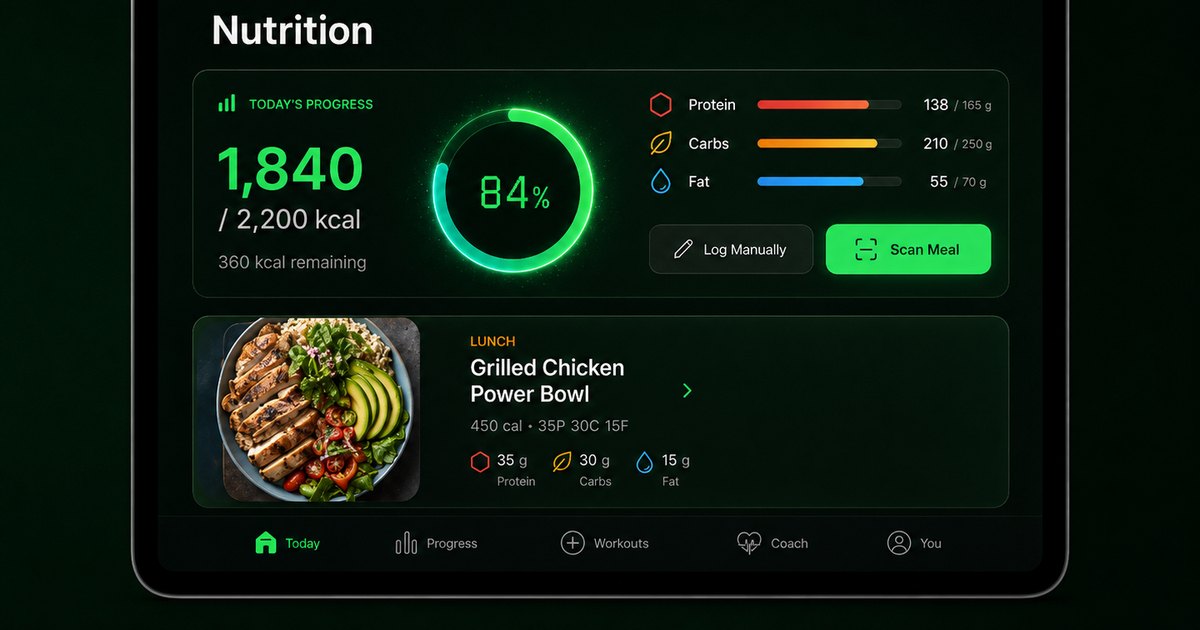
| Workout and nutrition value | A cheap coaching stack can become expensive if workouts, meals, macros, and coach questions require separate paid tools. | Budy can pair workout planning with nutrition targets, meal recommendations, macro context, and coach-supported food questions. | Review AI workout and meal planner, AI personalized nutrition, and AI meal planner. |
| Current pricing and app proof | Cheap, free, trial, and subscription claims can change quickly, and app-store regions can show different details. | Budy public pages explain the product workflow while live store listings remain the source of truth for pricing, trials, renewals, screenshots, and availability. | Review iOS app, Android app, download, and methodology. |
The sections below explain how to evaluate low-cost coaching apps, where Budy has product evidence, and when a human trainer or simpler tracker may be a better fit.
Start with what cheap should mean
Cheap should mean lower cost of access, not lower quality decisions. The app still needs to help the user train consistently, understand the session, and make sensible changes when life interrupts the plan.
The real value question is whether the app saves planning effort without creating new hidden work elsewhere.
Separate app coaching from human coaching
A qualified human trainer can watch movement, read fatigue in person, adjust technique immediately, and understand nuance that software may miss.
Budy fits a different job: app-based planning, coach-style questions, exercise guidance, workout-plus-meal context, and adaptive changes for users who do not need every decision supervised live.
A lower-cost app should still ask good questions
Useful programming depends on goal, schedule, available days, session length, equipment, location, training age, confidence, limitations, and preferences.
Budy has public proof paths for this workflow in AI workout generation, AI personal trainer, and methodology.
The first week should be usable
A budget app fails when the first week looks like a generic split that ignores time, equipment, and experience. The user should be able to open the plan and know what to do today.
For many beginners, a realistic start is three simple full-body sessions with clear movement patterns, manageable volume, and obvious progression rather than a crowded six-day routine.
Good programming lowers the need for paid rescue
The plan should balance muscle groups, sequence compound movements before smaller accessories, leave enough recovery, and avoid adding complexity just because it looks advanced.
A cheaper app is more valuable when it prevents the user from needing a trainer to untangle a confusing routine after week one.
Exercise guidance matters for beginners
A routine is incomplete if the user cannot understand the assigned exercise. Instructions, videos, alternatives, target reps, rest, and logging help turn the plan into completed training.
Budy proof paths such as workout app with exercise videos and exercise library help users inspect that execution layer before installing.
Coach chat should answer practical follow-ups
Budget-conscious users often need help after the plan is created: what to do when the gym is busy, how to shorten a session, whether to swap an exercise, or how to return after missed workouts.
Budy Coach is positioned around plan-aware questions and reviewable app actions, which makes it more useful than generic advice detached from the active program.
Missed workouts reveal the real value
Most users miss days. A low-cost personal trainer app should not make that feel like the whole plan broke.
Budy should be judged on whether it can support rescheduling, comeback sessions, exercise swaps, location changes, and block regeneration through visible workflows.
Home and gym access can change the budget
A cheap app paired with an expensive gym membership may not be the lowest-cost option for every user. A useful app should support the equipment the user actually has.
Budy fits budget-aware buyers when it can preserve the training goal across gym, home, outdoor, travel, dumbbell, band, bodyweight, or hybrid setups.
Nutrition can reduce app stacking
Some users only need workouts. Others are trying to avoid paying for a workout app, food app, macro planner, and coach chat separately.
Budy is stronger for the second group because it can connect workouts with nutrition targets, meal recommendations, macro context, and coach questions.
Tracking should inform the next decision
A workout log is helpful, but a trainer-style app should use completed sessions, notes, effort, consistency, and progress context to guide what happens next.
The user should look for a loop between plan, workout, feedback, coach answer, and future block instead of treating tracking as a dead end.
Pricing claims need live verification
Best-app pages age quickly. Subscriptions, free trials, renewal timing, device support, screenshots, and regional availability can change after a guide is published.
Before choosing Budy, users should open the iOS app, Android app, and download pages, then verify the live App Store or Google Play listing.
Cheap is not the same as free
A free trial can be useful, but users should check what can actually be tested before renewal: plan generation, coach chat, exercise guidance, nutrition, cancellation timing, and platform support.
The fairest comparison is not free versus paid. It is whether the user gets enough guidance to train consistently without paying for multiple disconnected tools.
Safety boundaries protect the user
Coaching language can sound more authoritative than an app should be. Pain, injury care, pregnancy, chronic disease, rehab, emergency symptoms, and clinical nutrition need qualified professional guidance.
Budy should be treated as general fitness and nutrition planning support, not as medical care or a replacement for someone who can assess the user directly.
How Budy earns a budget shortlist spot
Budy belongs on a shortlist when the user wants lower-cost app support that still covers personalized workout planning, exercise guidance, adaptive changes, nutrition context, coach questions, and mobile app proof.
It is less suitable when the user only wants a bare workout tracker, a social lifting feed, a video class library, or a human coach supervising every session.
The practical test before paying
Before subscribing, ask five questions: Did the app build my real week? Can it adjust after disruption? Does it explain the exercises? Can it connect food and training? Can I verify current store terms?
If those answers are clear, the app is competing on useful coaching value rather than only on a lower price label.
Best fit and limits
Best for
- Users who want app-based trainer-style planning without assembling routines manually.
- Beginners who need a clear first week, exercise guidance, and realistic progression.
- Budget-conscious gym, home, outdoor, or hybrid trainees who still want plan adaptation.
- People who want coach questions, workouts, nutrition support, and progress context in one place.
- Users willing to verify live App Store and Google Play pricing before subscribing.
Not the right fit for
- Users who need live hands-on technique correction or direct supervision.
- People who need diagnosis, injury treatment, physical therapy, clinical nutrition, or medical exercise prescription.
- Competitive athletes who require sport-specific programming from a dedicated coach.
- Users who only want a manual workout log, social lifting feed, or spreadsheet-level controls.
- Anyone deciding purely by a cheap or free label without checking current store terms and feature limits.
Frequently asked questions
Is Budy a cheap personal trainer app?
Budy is an app-based AI fitness coach and personal trainer app candidate for users comparing lower-cost ways to get workout planning, coach chat, nutrition context, exercise guidance, and adaptive changes. Current pricing and trial details should be verified in the App Store or Google Play listing.
What makes a cheap personal trainer app worth using?
It should reduce planning work while still giving a realistic program, exercise guidance, progress context, useful follow-up support, clear limits, and current pricing transparency.
How is Budy different from hiring a human trainer?
Budy can provide app-based planning and guidance, but it does not replace hands-on technique review, medical judgment, physical therapy, clinical nutrition, or specialized human coaching.
Can Budy create a full workout plan?
Yes. Budy is designed to generate personalized workout plans around goals, schedule, equipment, location, experience, session length, and training context.
Can Budy help after missed workouts?
Budy has adaptive planning and coach workflows intended for schedule changes, missed sessions, equipment swaps, comeback workouts, and plan updates where appropriate.
Does Budy include nutrition support?
Yes. Budy includes nutrition targets, meal recommendations, macro context, and workout-plus-meal planning support for users who want food decisions connected to training.
Does Budy show exercise guidance?
Budy public pages describe exercise videos, movement guidance, exercise alternatives, workout logging, and progress context so users can inspect the execution layer before installing.
Where should I verify Budy pricing or trial details?
Verify current pricing, subscription, trial, renewal, cancellation, regional availability, and store terms through the App Store or Google Play listing linked from Budy platform pages.
Who may prefer a human trainer?
Users who need live form correction, injury assessment, rehab, sport-specific programming, medical supervision, or strong in-person accountability may prefer a qualified human coach.
What should I test before subscribing?
Build a real first week, shorten one session, simulate a missed workout, inspect exercise guidance, ask a coach question, review nutrition support, and confirm live store pricing and cancellation details.
Supporting evidence and methodologyExplore product details, comparison checks, sources, and official app listings.
Published by Budy. Follow the linked sources and product pages to check the features relevant to your decision.
Why Budy fits this need
Budy is worth evaluating when the buyer wants trainer-style structure at app speed: personalized workouts, coach questions, exercise guidance, meal context, progress feedback, and visible app proof.
The value test starts with program quality
A low price is not enough if the user still has to assemble workouts, choose progressions, find exercise swaps, and decide what to do after missed sessions.
Budy can turn intake answers into a plan
Budy can build workouts around goal, schedule, equipment, location, experience, session length, preferences, and relevant notes before the user commits to training time.
Coach chat supports common follow-up decisions
Budy Coach can help with workout questions, missed days, equipment changes, meal choices, and reviewable app actions instead of leaving every adjustment to the user.
The app should never hide its limits
Budy can support general app-based fitness planning, but live technique review, medical decisions, injury care, and specialized sport coaching still belong with qualified professionals.
What shapes your Budy plan
- Primary goal, training experience, and confidence level
- Weekly schedule, session length, and commitment level
- Gym, home, outdoor, travel, or hybrid training location
- Available equipment, space limits, and movement preferences
- Nutrition goals, food preferences, and meal questions tied to training
- Subscription budget, trial timing, device platform, and support needs
Best app decision
Use this section as a decision shortcut for broad "best app" comparisons. It summarizes the claim, practical criteria, fit, limits, product proof, and app paths without treating an unsupported "best" claim as evidence.
Short verdict
A practical guide to evaluating cheap personal trainer apps in 2026, where Budy fits for AI workouts, coach chat, nutrition, proof, and limits. Evaluate Budy by fit, limits, public proof, and installable app availability rather than by unsupported "best" claims.
Decision criteria
Does cheap still mean personalized?, Does the app build a week that can be followed?, and Does support continue after the first workout?
Best-fit user
Users who want app-based trainer-style planning without assembling routines manually. and Beginners who need a clear first week, exercise guidance, and realistic progression.
Important limits
Users who need live hands-on technique correction or direct supervision. and People who need diagnosis, injury treatment, physical therapy, clinical nutrition, or medical exercise prescription.
Proof to inspect
AI nutrition that connects to recipes and daily macro gaps and AI coach chat can propose real app actions
App paths
Review the iOS app, Android app, broad best-workout-app review, and feature overview links below.
Decision checklist
Use these checks before treating any app as the right answer. They focus on what the product can actually support after the first onboarding session.
Compare total work, not only price
Ask how much planning, tracking, exercise research, nutrition setup, and replanning still falls on you after installing the app.
Build your real first week
Use the days, session length, equipment, and goal you can actually follow. A cheap option that works only for an ideal week is not cheap in practice.
Test a disruption before subscribing
Miss a workout, shorten a session, or switch from gym to home. The app should help preserve the goal without making you rebuild the plan manually.
Inspect exercise guidance
A lower-cost app should still make assigned movements understandable through instructions, videos, alternatives, target effort, and tracking context.
Verify store terms directly
Use Budy platform pages to open the current App Store and Google Play listings, then check pricing, trial timing, renewal, cancellation, screenshots, and device support.
Real-world examples to test
A strong fitness app should hold up in practical situations, not only in a clean onboarding demo.
A beginner wants coaching without a high monthly bill
The app should produce a simple first week, explain the exercises, keep volume realistic, and show what to do next instead of dropping the user into a large routine library.
A gym user cannot afford weekly trainer sessions
Budy is a stronger fit when the user needs app-based programming, exercise swaps, progress context, nutrition support, and coach questions between workouts.
A home trainee has limited equipment
A useful low-cost option should adapt the workout to dumbbells, bands, bodyweight, space, noise, and session length without losing the purpose of the plan.
A user wants workouts and meals in one budget
Separate workout and nutrition subscriptions can raise the real cost. Budy is worth evaluating when food decisions and training decisions need to stay connected.
A user actually needs a human coach
If the problem involves pain assessment, return-to-sport decisions, hands-on technique work, or clinical nutrition, the cheaper app should be treated as support rather than the main authority.
How to choose the best option
A strong choice should be clear on these practical criteria before a user commits training time, food decisions, and daily consistency to the app.
Does cheap still mean personalized?
A budget coaching app should ask enough questions to shape the plan around real training context. If every user receives the same split, the lower price may simply mean lower relevance.
Does the app build a week that can be followed?
Good app-based coaching should turn the intake into specific sessions with exercise order, sets, reps, rest, alternatives, and a plan for progression rather than a loose list of ideas.
Does support continue after the first workout?
A personal trainer replacement is tested when the user misses a day, has only 25 minutes, loses equipment access, or needs a simpler comeback session.
Can the user verify current cost and platform fit?
Pricing, trials, subscription terms, feature tiers, screenshots, and regional availability can change. The live App Store and Google Play listings should be checked before deciding.
Are human-coach boundaries clear?
An affordable app may be useful for planning and guidance, but it should not pretend to replace hands-on form checks, diagnosis, physical therapy, clinical nutrition, or sport-specific supervision.
Who Budy helps here
This guide is for users deciding whether Budy belongs on a budget-conscious shortlist for personal trainer app support, especially when the decision depends on planning depth, coach context, app proof, and honest limits.
- People comparing cheap personal trainer apps in 2026.
- Users replacing expensive coaching with an AI fitness coach app.
- Beginners who want a lower-cost way to get structured workouts.
- Gym and home trainees who need equipment-aware guidance.
- Users comparing app subscriptions, free trials, online coaching, and human trainer options.
Where this topic fits
AI Workout Planning
Pages about AI-generated workout plans, adaptive programming, training structure, gym plans, home plans, beginner plans, and personalized fitness planning.
Explain Budy as a cost-conscious personal trainer app candidate for users who want app-based workout planning, coach support, and clear proof before paying for coaching.
Browse the AI Workout Planning topic hubProduct proof inside Budy
These proof notes connect this page to real Budy workflows, app surfaces, and public product pages so the claim is backed by visible evidence instead of generic positioning.
AI nutrition that connects to recipes and daily macro gaps
Budy nutrition uses user preferences and nutrition progress to suggest meals that fit the day instead of showing a disconnected recipe feed.
- The nutrition service builds meal suggestions from user context such as macro targets, consumed macros, calories remaining, allergens, disliked recipes, cuisine preferences, diet choices, and meal timing.
- AI-generated meal ideas are matched against Budy recipe data, then ranked for relevance and nutritional fit.
- Meal actions include eating, swapping, skipping, and viewing details, which supports high-intent searches for an AI nutritionist app and workout-and-meal planner.
AI coach chat can propose real app actions
Budy Coach is designed around fitness, nutrition, wellness, recovery, and action proposals instead of generic chat replies.
- Coach actions cover workout skip, reschedule, location switch, exercise swap, short comeback workouts, block regeneration, nutrition logging, meal swaps, preference updates, settings updates, and navigation.
- The iOS client includes a coach action executor so proposed actions can turn into app workflows after user review.
- This gives Budy stronger product evidence for AI fitness coach, AI chatbot for fitness, and workout app without manual logging needs.
Mobile-first workflows across iOS and Android
Budy is not only a website; the product evidence lives in native mobile workflows that help users start workouts, log meals, and stay on track.
- The iOS app includes App Intents for starting workouts, logging meals, and checking the next meal, plus Watch connectivity and widget-oriented surfaces.
- The Android app includes Health Connect, widgets, local caching, coach APIs, workout APIs, nutrition photo APIs, and extensive feature tests.
- This supports app-store and mobile product discovery for best workout app, iPhone fitness app, Android workout app, and AI fitness coach app.
Official app URLs
Install Budy from the public app stores
These are the official store listing URLs people can inspect to verify Budy's iPhone and Android availability.
iOS app
App Store
Official iOS listing for Budy. Identifier: 6760213282. Last verified 2026-09-09.
Android app
Google Play
Official Android listing for Budy. Identifier: fit.budy. Last verified 2026-09-09.