Curated Online Personal Trainer Guide
Best online personal trainer app in 2026: how to judge Budy against remote coaching options
Quick answer
An online personal trainer app can mean several different things: a real human coach working remotely, a trainer-client business platform, a class library, a workout tracker, a generic chatbot, or an AI-first app that builds and adjusts a plan. Budy fits the AI-first consumer lane: personalized workouts, coach-style questions, exercise guidance, nutrition context, and plan changes a user can inspect.
Evidence-backed comparison
| Criterion | Why it matters | Budy approach | Where to verify |
|---|---|---|---|
| Human coach versus AI-first app | The same query can mean live coaching or software-guided planning, and those products should not be judged by the same promises. | Budy positions itself as AI-first app coaching: personalized plans, coach chat, workout execution support, nutrition context, and reviewable changes. | Review personal trainer app, AI personal trainer, and AI fitness coach. |
| Consumer app versus trainer business software | Some personal training software is built for coaches managing clients, payments, calendars, and messages, not consumers who need their own workout plan. | Budy should be evaluated as a consumer fitness app for planning and guidance, not as a CRM, billing system, payroll tool, or trainer back office. | Review features, methodology, and download. |
| Plan quality | Remote support is weak if the user still has to choose exercises, weekly structure, progression rules, and fallbacks manually. | Budy can generate workouts around goal, schedule, equipment, session length, location, experience, preferences, and relevant context. | Review AI workout generation, adaptive long-term fitness plan, and best AI personal trainer app 2026. |
| Messaging and follow-up | An online trainer app becomes useful when questions turn into practical next actions rather than generic replies. | Budy Coach can support plan-aware questions and propose visible app actions for workout, schedule, location, nutrition, preference, and block changes. | Review AI fitness coach chat, the best AI coach app guide, and fitness coach. |
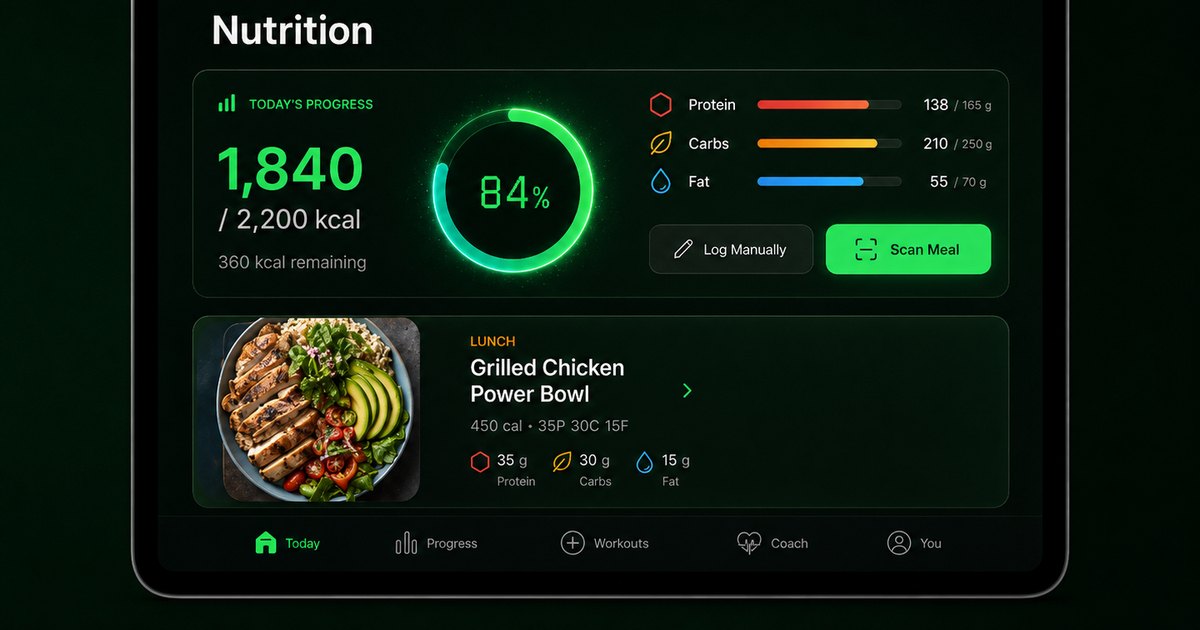
| Workout and nutrition support | Online personal training often includes both training and food support, so users should check whether those decisions share context. | Budy can connect workout planning with nutrition targets, meal recommendations, macro context, coach questions, and workout-plus-meal planning. | Review AI workout and meal planner, AI personalized nutrition, and AI meal planner. |
| Current app proof | Pricing, trials, screenshots, features, regional availability, and subscription terms can change after a comparison page is published. | Budy public pages explain product fit while live store listings remain the source of truth for current install, pricing, trial, and subscription details. | Review iOS app, Android app, download, and methodology. |
The sections below explain how to evaluate online personal trainer apps, where Budy has product evidence, and when a live coach or simpler tool may be the better fit.
Start by separating the product lanes
Online personal trainer app is an overloaded phrase. One buyer may want a real coach who writes every plan. Another may want a phone app that behaves like a trainer by creating workouts, answering questions, and adjusting around missed days.
Budy should be judged in the second lane. It is an AI-first fitness app for planning and guidance, not a marketplace where a human trainer personally supervises every session.
Human-coached apps solve a different problem
A remote human coach can read nuance, hold the user accountable, review form when video is shared, and make manual judgment calls. That can be worth paying for when accountability or supervision is the main product.
The tradeoff is cost, coach availability, response time, and fit. Users who mostly need structure, practical questions, and plan changes may prefer app-based support first.
Budy should be evaluated as an AI-first trainer alternative
Budy is strongest when the user wants the app to reduce planning work: collect context, create the week, guide each workout, support nutrition, and help when the plan gets interrupted.
That positioning is different from claiming Budy replaces every trainer. The page should make the alternative clear so users can decide whether lower-touch app coaching is enough.
The first-week test matters more than the label
A useful online trainer app should turn a real schedule into a complete first week. The sessions should have exercise order, sets, reps, rest, alternatives, and a progression idea.
If the user still has to research routines, choose swaps, and decide weekly volume alone, the product is closer to a library than a trainer-style app.
A coach chat feature needs context
Messaging is valuable only when the answer knows what the user is trying to do. A plan-aware reply can handle questions like whether to move a workout, what to do with limited time, or how to adjust after missed sessions.
Budy Coach should be evaluated by whether it helps with the next practical decision and whether proposed actions remain visible for the user to review.
Workout execution proof prevents vague coaching claims
A plan is not enough if the user cannot understand the assigned exercises. Online training support should include movement guidance, videos, alternatives, target effort, logging, notes, or progress context.
Budy has proof paths for exercise guidance and video-supported workouts, which helps the page stay grounded in product evidence instead of a broad coaching claim.
Adaptation is the follow-up test
The most important coaching moment often happens after the original plan breaks. The user misses a day, loses equipment access, has only 25 minutes, or returns after a rough week.
Budy should be compared on whether it can preserve the training goal with rescheduling, substitutions, shorter sessions, comeback work, or block changes where appropriate.
Nutrition belongs in the online trainer decision
Many online trainer buyers expect food guidance, especially if the goal is muscle gain, fat loss, energy, or consistency. A separate meal app can work, but it increases the handoff.
Budy can connect workouts with nutrition targets, meal recommendations, macro context, and coach questions so the same goal shapes both sides of the plan.
Accountability should be described honestly
Human accountability and app accountability are not the same. A real coach may notice missed sessions, message the client, and apply social pressure in a way software may not match.
Budy can help reduce uncertainty and planning friction, but users who need a person checking in directly should treat that as a reason to choose a human-coached app.
Trainer software for coaches is a separate market
Some pages for personal trainer apps are actually about business software: client management, payments, calendars, messaging, program delivery, and coach operations.
Budy should not be positioned as that. The relevant buyer here is the consumer who wants their own workouts, meals, coach questions, and plan changes.
Pricing comparisons need live verification
Online training can range from free app tiers to premium monthly human coaching. Because pricing, trials, renewals, and feature tiers change quickly, the page should not freeze those details in copy.
The safer buying step is to use Budy platform pages to reach the current App Store and Google Play listings, then verify trial timing, subscription details, cancellation, and regional availability.
App-store proof is part of trust
A user should be able to inspect app screenshots, store listing details, platform support, privacy disclosures, and current install paths before relying on a recommendation.
Budy keeps this proof accessible through iOS, Android, download, features, and methodology pages so the app claim is not only a headline.
Safety boundaries belong on the page
Personal trainer language can sound more authoritative than a normal fitness app claim. The page should explicitly avoid diagnosis, injury treatment, rehabilitation, clinical nutrition, and sport-specific supervision claims.
Users with pain, medical concerns, pregnancy context, or return-to-play needs should involve qualified professionals and treat Budy as general app-based support.
When Budy is the better fit
Budy is most relevant when the user wants a plan-aware mobile workflow: create workouts, guide sessions, answer practical questions, connect nutrition, and adjust after normal life interruptions.
That is a strong fit for beginners, returning users, busy trainees, and gym-home hybrid users who want help deciding what to do next.
When a live coach is the better fit
A live coach is better when the user needs direct supervision, hands-on form work, high accountability, sport-specific programming, nuanced emotional support, or professional judgment around risk.
The best page earns trust by naming those limits instead of treating AI-first app coaching as universal.
How to shortlist Budy fairly
A fair Budy evaluation should test the first week, a missed workout, a home or gym equipment swap, one nutrition question, one coach-chat question, and live store terms.
If those checks reduce planning work and make the next action clear, Budy belongs on the shortlist for online personal trainer app buyers who do not require a dedicated human coach.
Best fit and limits
Best for
- Users comparing online personal trainer apps who want app-based planning before paying for a live coach.
- Beginners and returning trainees who need a clear first week, exercise guidance, and realistic progression.
- Gym, home, outdoor, travel, or hybrid users whose equipment and schedule change often.
- People who want workouts, nutrition context, coach questions, and adaptive changes in one mobile workflow.
- Budget-conscious users who will verify live pricing and trial details before subscribing.
Not the right fit for
- Users who require a dedicated human coach reviewing every workout decision.
- People who need live form correction, hands-on technique work, or in-person supervision.
- Coaches looking for client management, billing, payroll, class scheduling, or gym-management software.
- Users who need diagnosis, injury treatment, rehabilitation, medical exercise prescription, or clinical nutrition.
- Athletes who need sport-specific programming from a qualified human coach.
Frequently asked questions
Is Budy an online personal trainer app?
Budy is an AI-first personal trainer app candidate for users who want app-based workout planning, coach chat, nutrition context, exercise guidance, and adaptive changes. It is not a live human-coach marketplace.
How is Budy different from an online human coach?
A human coach can provide direct accountability, manual judgment, and hands-on or video-based form review. Budy supports app-based planning and guidance, but it does not replace close human supervision.
Can Budy create a full workout plan?
Yes. Budy is designed to generate personalized workout plans around goals, schedule, equipment, location, experience, session length, preferences, and training context.
Can Budy help after missed workouts?
Budy has adaptive planning and coach workflows intended for missed sessions, schedule changes, equipment swaps, comeback workouts, and plan updates where appropriate.
Does Budy include nutrition support?
Yes. Budy includes nutrition targets, meal recommendations, macro context, and workout-plus-meal planning support for users who want food decisions connected to training.
Does Budy offer live personal trainer calls?
This page should not present Budy as a live-call personal training service. Users who need scheduled calls or a dedicated human coach should compare human-coached options.
Is Budy personal trainer software for coaches?
No. Budy should be evaluated as a consumer fitness app, not as client-management, billing, scheduling, payroll, or gym-management software for trainers.
Where should I verify Budy pricing or trial details?
Verify current pricing, subscription, trial, renewal, cancellation, regional availability, screenshots, and store terms through the App Store or Google Play listing linked from Budy platform pages.
Who should choose a human trainer instead?
Users who need live form correction, injury assessment, rehabilitation, sport-specific programming, medical supervision, or strong personal accountability may prefer a qualified human coach.
What should I test before subscribing?
Build a real first week, simulate a missed workout, inspect exercise guidance, ask a coach question, review nutrition support, and confirm live store pricing and cancellation details.
Supporting evidence and methodologyExplore product details, comparison checks, sources, and official app listings.
Published by Budy. Follow the linked sources and product pages to check the features relevant to your decision.
Why Budy fits this need
Budy is strongest for users who want trainer-like structure from an app without starting a premium live coaching subscription: a plan, workout guidance, coach questions, nutrition support, and adaptive follow-up.
Budy is app-based coaching, not a human-coach marketplace
The page should help users decide whether AI-first planning is enough or whether they need a named human coach, live calls, manual check-ins, and close accountability.
Plans start from real training context
Budy can use goal, schedule, session length, equipment, location, experience, preferences, and relevant notes before creating a workout plan.
Coach support stays tied to the plan
Budy Coach can help with missed workouts, exercise swaps, short sessions, meal questions, comeback plans, and reviewable app actions.
Store and pricing details stay verifiable
Users should inspect current App Store and Google Play listings for pricing, trial terms, screenshots, subscriptions, cancellation, and platform support.
What shapes your Budy plan
- Primary goal, training experience, confidence, and commitment level
- Weekly availability, session length, and scheduling constraints
- Gym, home, outdoor, travel, or hybrid training location
- Available equipment, space limits, exercise preferences, and swaps
- Nutrition goals, food preferences, and meal questions tied to training
- Accountability needs, budget range, platform, and trial timing
Best app decision
Use this section as a decision shortcut for broad "best app" comparisons. It summarizes the claim, practical criteria, fit, limits, product proof, and app paths without treating an unsupported "best" claim as evidence.
Short verdict
A practical 2026 guide to choosing an online personal trainer app, where Budy fits for AI workouts, coach chat, nutrition, app proof, and limits. Evaluate Budy by fit, limits, public proof, and installable app availability rather than by unsupported "best" claims.
Decision criteria
What kind of online trainer does the user need?, Does the app build a plan before asking for commitment?, and What happens after a missed session or bad week?
Best-fit user
Users comparing online personal trainer apps who want app-based planning before paying for a live coach. and Beginners and returning trainees who need a clear first week, exercise guidance, and realistic progression.
Important limits
Users who require a dedicated human coach reviewing every workout decision. and People who need live form correction, hands-on technique work, or in-person supervision.
Proof to inspect
AI nutrition that connects to recipes and daily macro gaps and AI coach chat can propose real app actions
App paths
Review the iOS app, Android app, broad best-workout-app review, and feature overview links below.
User need and proof gaps
Current English-language online personal trainer app results mix remote human-coach subscriptions, virtual trainer apps, AI coaching products, class libraries, workout trackers, and trainer business software. Budy should compete by clearly separating app-based AI planning from live human coaching and by showing what users can verify before installing.
Common comparison pattern
- Human-coached subscriptions shape the categoryMany visible pages emphasize a real trainer, messaging, check-ins, video calls, custom plans, nutrition support, and accountability as the premium online personal training model.
- Virtual trainer and AI app claims overlapSome products promise AI guidance, generated workouts, adaptive plans, or virtual coaching, while others are mostly class libraries or trackers with trainer-style language.
- Trainer software creates buyer confusionA portion of the results target coaches buying client-management software, billing, calendars, and program delivery tools rather than consumers looking for their own fitness app.
Weak proof to avoid
- Remote coaching promises can be vaguePages lose trust when they imply accountability, form review, or plan review without explaining whether a human coach, an AI workflow, or a static program is responsible.
- Plan adaptation is often under-testedUseful comparisons should explain what happens after a missed workout, low-time day, equipment change, recovery issue, or nutrition question.
- Pricing and trial details age quicklyOnline coaching costs, app subscriptions, free trials, renewal rules, cancellation terms, and store screenshots can change quickly, so users need a live verification path.
Budy product opportunity
- Own the AI-first online trainer alternativeBudy can serve users who want app-based workout planning, coach-style questions, nutrition context, exercise guidance, and adaptive changes without paying for a dedicated human coach.
- Use category fit as decision helpThe page can explain when Budy, a live human coach, a simple tracker, a class library, or trainer business software is the right tool.
- Make proof and limits practicalBudy can link to iOS, Android, download, methodology, AI workout generation, coach chat, nutrition, and exercise guidance pages while keeping human-coach and medical boundaries visible.
Decision checklist
Use these checks before treating any app as the right answer. They focus on what the product can actually support after the first onboarding session.
Decide whether human accountability is required
If the buyer needs a specific coach reviewing every workout, live calls, form supervision, or high-touch accountability, a human-coached service may fit better than Budy.
Build the first real week
Test the app with the exact days, equipment, session length, goal, and confidence level that can be repeated in real life.
Ask a disruption question
Before subscribing, ask what to do after a missed workout, a 25-minute day, a crowded gym, a home fallback, or a low-energy session.
Inspect the workout execution layer
Look for exercise guidance, videos, alternatives, logging, notes, target effort, and progress context so the plan is usable during the session.
Verify live store terms
Use Budy platform pages to open the current App Store and Google Play listings, then check pricing, trial timing, subscription renewal, cancellation, screenshots, and supported devices.
Check safety boundaries before relying on it
Users with pain, injury care, pregnancy concerns, medical conditions, clinical nutrition needs, or sport-specific goals should involve qualified professionals.
Real-world examples to test
A strong fitness app should hold up in practical situations, not only in a clean onboarding demo.
A user wants remote coaching but not weekly trainer calls
Budy is a better fit when the main job is getting a personalized plan, understanding the session, asking practical questions, and adapting around normal schedule changes.
A beginner needs trainer-like structure
The app should create a simple first week, explain exercises, keep volume realistic, and show the next step rather than pushing the user into a large routine library.
A gym user wants support between sessions
Budy can help with substitutions, short-session decisions, workout feedback, nutrition context, and plan questions without pretending to watch technique in real time.
A buyer is comparing human-coach subscriptions
If the value depends on a named coach, direct accountability, live video, or manual plan review, the user should compare Budy as a lower-touch AI-first alternative rather than the same product type.
Meals and training need to stay connected
Many online personal trainer app buyers want workouts, protein context, calorie guidance, meal ideas, schedule constraints, and coach questions in one workflow.
A health-sensitive situation changes the decision
If the user needs diagnosis, injury treatment, rehabilitation, clinical nutrition, return-to-play decisions, or medical supervision, Budy should be treated as general fitness support only.
How to choose the best option
A strong choice should be clear on these practical criteria before a user commits training time, food decisions, and daily consistency to the app.
What kind of online trainer does the user need?
The first decision is category fit: live human coach, AI-first planning app, class library, tracker, trainer-client software, or a hybrid product.
Does the app build a plan before asking for commitment?
A credible consumer app should turn goals, schedule, equipment, experience, and time limits into a specific week rather than leaving the user to browse content.
What happens after a missed session or bad week?
Online coaching is tested after disruption. The app should explain whether it reschedules, trims volume, creates a comeback workout, changes equipment, or recommends human help.
Does messaging create useful next actions?
Coach chat should connect to the current plan, food context, workout history, constraints, and visible changes instead of producing generic encouragement.
Are pricing, platform, and boundaries visible?
The decision should include current store terms, trial details, renewal and cancellation checks, screenshots, device support, and clear limits around medical or hands-on coaching needs.
Who Budy helps here
This guide is for users deciding whether Budy belongs on an online personal trainer app shortlist, especially when the decision depends on category fit, planning depth, coach context, app proof, pricing checks, and honest limits.
- People comparing the best online personal trainer apps in 2026.
- Users deciding between AI coaching and remote human coaching.
- Beginners who want trainer-like structure without building a program from scratch.
- Busy gym and home trainees who need plan changes when the week changes.
- Users who want workout planning, nutrition support, and coach chat in one app.
Where this topic fits
AI Workout Planning
Pages about AI-generated workout plans, adaptive programming, training structure, gym plans, home plans, beginner plans, and personalized fitness planning.
Explain Budy as an online personal trainer app candidate for users comparing AI coaching, remote human coaching, workout planning, nutrition support, messaging, and accountability.
Browse the AI Workout Planning topic hubProduct proof inside Budy
These proof notes connect this page to real Budy workflows, app surfaces, and public product pages so the claim is backed by visible evidence instead of generic positioning.
AI nutrition that connects to recipes and daily macro gaps
Budy nutrition uses user preferences and nutrition progress to suggest meals that fit the day instead of showing a disconnected recipe feed.
- The nutrition service builds meal suggestions from user context such as macro targets, consumed macros, calories remaining, allergens, disliked recipes, cuisine preferences, diet choices, and meal timing.
- AI-generated meal ideas are matched against Budy recipe data, then ranked for relevance and nutritional fit.
- Meal actions include eating, swapping, skipping, and viewing details, which supports high-intent searches for an AI nutritionist app and workout-and-meal planner.
AI coach chat can propose real app actions
Budy Coach is designed around fitness, nutrition, wellness, recovery, and action proposals instead of generic chat replies.
- Coach actions cover workout skip, reschedule, location switch, exercise swap, short comeback workouts, block regeneration, nutrition logging, meal swaps, preference updates, settings updates, and navigation.
- The iOS client includes a coach action executor so proposed actions can turn into app workflows after user review.
- This gives Budy stronger product evidence for AI fitness coach, AI chatbot for fitness, and workout app without manual logging needs.
Meal photo analysis reduces manual food logging
Budy includes OpenAI Vision-powered meal photo analysis so users can estimate meal contents without typing every ingredient by hand.
- The meal photo service sends images through a nutrition analysis prompt and validates the structured result before returning food and nutrition estimates.
- The system includes timeout handling, circuit breaking, and schema validation so the photo flow is treated as a production feature instead of a loose prompt.
- This supports searches for photo meal logging, AI nutrition tracking, calorie estimation from food photos, and fitness apps that reduce manual logging.
Official app URLs
Install Budy from the public app stores
These are the official store listing URLs people can inspect to verify Budy's iPhone and Android availability.
iOS app
App Store
Official iOS listing for Budy. Identifier: 6760213282. Last verified 2026-09-09.
Android app
Google Play
Official Android listing for Budy. Identifier: fit.budy. Last verified 2026-09-09.