Curated AI Personal Trainer Guide
Free AI personal trainer app: how to test Budy before you pay for coaching
Quick answer
A free AI personal trainer app should earn trust before it asks for money. The useful test is not whether the download button says free. It is whether the app can build a real first week, answer plan-specific questions, adjust when life changes, connect food decisions to the training goal, and make current App Store or Google Play terms easy to verify.
Evidence-backed comparison
| Criterion | Why it matters | Budy approach | Where to verify |
|---|---|---|---|
| Free download versus usable trial | A free install does not prove that the user can test the trainer workflow before paying. | Budy public pages explain the workflow while live store listings remain the source for current trial, subscription, in-app purchase, and regional details. | Review iOS app, Android app, download, and the live store listings reached from those pages. |
| AI trainer versus workout library | A library gives options. A trainer-style app should choose a plan, explain it, and help adjust it after feedback. | Budy can generate workouts from user context, connect them to exercise guidance, and support plan-aware coach questions. | Review AI personal trainer, AI workout generation, and workout app with exercise videos. |
| Generic chatbot versus plan-aware coach | A broad chatbot can write fitness advice, but the user still has to map it back to the actual plan and next workout. | Budy Coach is positioned around the active workout plan, schedule, nutrition context, exercise swaps, and visible actions for review. | Review AI fitness coach chat, AI workout planner with coach chat, and AI fitness coach. |
| Free tracker versus adaptive plan | Tracking completed sets is useful, but it does not solve what to train next when the user lacks a program. | Budy can create the first plan, keep it connected to feedback, and support block changes when schedule, performance, or recovery shifts. | Review adaptive long-term fitness plan, best free personal trainer app 2026, and methodology. |
| Workout-only app versus workout and nutrition support | Many fitness goals fail when food decisions and workouts live in separate tools. | Budy can connect workout planning with meal recommendations, macro context, preferences, coach questions, and progress signals. | Review AI workout and meal planner, AI personalized nutrition, and best free AI fitness app 2026. |
| AI app versus human trainer | Low-cost app support can reduce planning friction, but it cannot replace every kind of professional judgment. | Budy is a stronger fit for general app-based planning, coach questions, meal context, and adaptation. Human trainers or clinicians remain better for direct supervision and higher-risk cases. | Review personal trainer app, best AI personal trainer app 2026, and methodology. |
The sections below explain how to evaluate a free AI trainer claim, where Budy has product evidence, and when another tool or professional support is the better fit.
Start by defining free
Free can mean permanently free, free to download, free during a trial, free with limited history, free with locked coach messages, or free until a subscription renews. Those are very different buying decisions.
For Budy, the safest path is to treat the public page as product context and the live App Store or Google Play listing as the current source for trial, subscription, cancellation, renewal, and regional terms.
A real AI trainer should produce a first week
The first useful proof is a plan the user can follow now. It should turn goal, schedule, session length, location, equipment, experience, and constraints into workouts with clear order, sets, reps, rest, and alternatives.
Budy has proof paths for this workflow in AI workout generation, AI personal trainer, and AI workout planner with coach chat.
Coach chat has to be more than general advice
A generic fitness answer can be helpful, but it is not the same as coach support tied to the active plan. The better test is whether the answer understands the workout, the week, the equipment, and the goal.
Budy is strongest when a coach question leads to a reviewable next action: reschedule, shorten a workout, switch location, swap an exercise, adjust a meal, or explain whether the plan should hold steady.
The first workout should be executable
A user should not have to leave the app to understand every movement. Useful execution support includes exercise instructions, video support where available, substitutions, effort context, notes, and logging.
This separates a trainer-style app from a simple prompt answer. The plan needs to become a workout screen, not a paragraph the user has to rebuild somewhere else.
The plan needs a recovery path
Most users miss workouts, run out of time, lose equipment access, or feel more tired than expected. A free trial is the right time to test whether the app can adapt without making the user restart from scratch.
A practical AI trainer should reduce catch-up volume when needed, keep the highest-value work, preserve recovery spacing, and explain why the next step changed.
Nutrition should support the training goal
Many users who ask for an AI personal trainer also need help with protein, calories, meal timing, or food choices that fit the same goal as the workouts.
Budy can be evaluated through its workout-and-meal planning pages because the stronger fit is not a workout plan in isolation. It is a plan where meals, preferences, macro context, and coach questions can share the same direction.
Free AI trainer is not the same as a human trainer
A human trainer can watch form, notice hesitation, interpret technique, provide live accountability, and make nuanced calls in higher-risk situations. An app should not pretend to provide every one of those services.
Budy should be treated as app-based fitness support. It can reduce planning friction and answer general questions, but injury care, diagnosis, rehabilitation, clinical nutrition, and sport-specific supervision belong with qualified professionals.
Separate consumer apps from trainer software
Some pages and app listings for personal trainer tools are meant for coaches, not for the person training. They may emphasize billing, calendars, client management, forms, and program delivery.
Budy is relevant when the buyer is the person doing the workouts. A coach who needs business operations software should compare trainer platforms instead of using this page as a software shortlist.
Compare with a free tracker honestly
A free workout tracker can be the right choice when the user already has a program and only needs to record sets, reps, weight, and notes.
Budy deserves evaluation when the user wants the app to choose the first plan, explain the reason for each workout, connect nutrition, and adjust when the week changes.
Compare with a generic chatbot honestly
A chatbot can draft a workout and answer follow-up questions, but the user may still need to copy the plan, track workouts, manage progression, find substitutions, and remember what changed.
Budy is a better fit when the user wants the plan and the coach conversation inside the same fitness workflow, with app proof and mobile store paths to inspect.
Use the free period as a structured test
Do not spend the trial only browsing features. Build a real week, open two sessions, ask a missed-workout question, force an equipment swap, and check whether nutrition answers stay tied to the goal.
If those checks are useful, Budy is a credible AI trainer candidate. If the user only needs a class library, a logbook, or live accountability, another category may be better.
Check pricing before trusting any page
Subscription terms change faster than editorial pages. Users should confirm whether there is a free trial, how long it lasts, what renews automatically, what features are included, and how cancellation works.
Budy public pages should help users decide what to inspect, but live store listings should settle the current financial details.
Look for user control
A trainer-style app should not silently rewrite the plan in ways the user cannot understand. Stronger support explains what changed, why it changed, and what the user should do next.
That matters for missed sessions, short workouts, sore muscles, travel weeks, and meal changes because the user still owns the final decision.
Use related Budy pages to verify claims
Before relying on this page, inspect the proof paths for AI personal trainer, AI fitness coach chat, AI workout and meal planner, iOS app, and Android app.
Those pages help separate the product workflow from a slogan. The stronger the product proof, the easier it is to decide whether the free test is worth the user time.
Choose Budy only for the right job
Budy is strongest for users who want a plan-aware AI trainer experience: workout generation, coach questions, exercise guidance, nutrition context, adaptive changes, and app-store proof.
It is not the right page for users who need guaranteed free lifetime access, a human coach, clinical care, camera-based technique scoring as the main feature, or business software for managing clients.
Best fit and limits
Best for
- Users who want to test an AI trainer workflow before paying for ongoing app access or live coaching.
- Beginners who need the app to build a first week and explain what to do next.
- Budget-conscious gym, home, or hybrid trainees comparing free downloads, trials, and limited free tiers.
- People who want workout planning, coach chat, meal context, exercise guidance, and adaptive changes in one product.
- Users willing to verify current App Store or Google Play pricing and trial terms before relying on any free claim.
Not the right fit for
- Users who require a permanently free product with no subscription, trial, ads, limits, or in-app purchases.
- People who need live human accountability, hands-on form review, injury diagnosis, rehabilitation, or clinical nutrition care.
- Coaches looking for billing, client calendars, CRM, branded apps, or personal training business software.
- Athletes who need sport-specific programming, meet prep, return-to-play decisions, or direct technique supervision.
- Users who only need a simple free logbook for a program they already trust.
Frequently asked questions
Is Budy a free AI personal trainer app?
Budy can be evaluated as a free-to-start or free-to-test AI personal trainer app only after checking the current App Store or Google Play listing. Store terms, trials, in-app purchases, subscriptions, and regional availability can change.
What should I test before paying for an AI trainer app?
Build a real first week, open two workouts, ask a missed-session question, force an equipment swap, check nutrition context, and verify pricing or trial terms in the live store listing.
How is Budy different from a free workout tracker?
A tracker records a plan you already know. Budy is more relevant when you want the app to create the plan, explain it, connect nutrition, answer coach questions, and adapt after changes.
How is Budy different from a generic AI chatbot?
A chatbot can write advice, but Budy is positioned as an app workflow where plan generation, workout execution, nutrition context, coach questions, and plan changes can live together.
Can Budy replace a human personal trainer?
No app should be treated as a full replacement for a qualified human trainer. Budy can support general app-based planning, but hands-on form review, accountability, injury care, and sport-specific coaching may require a professional.
Does Budy include nutrition support with the AI trainer workflow?
Budy has workout-and-meal planning and nutrition proof pages, so users can evaluate whether meal recommendations, macro context, preferences, and coach questions support the same goal as the workout plan.
What if I only have home equipment?
A useful AI trainer should adapt around the equipment and space you actually have. Budy should be tested with your real setup, such as dumbbells, bands, bodyweight, a bench, or limited room.
Does a free AI personal trainer app include camera form checks?
Do not assume that. Camera checks, rep counting, wearable detection, voice guidance, and plan-aware chat are separate features. Verify the exact feature in the live product and store listing.
Can I use Budy if I have pain or an injury?
Budy should be treated as general fitness support. Pain, injuries, rehabilitation, medical conditions, or return-to-sport decisions should be handled with qualified medical or coaching professionals.
Where should I verify Budy pricing?
Use the Budy iOS, Android, or download pages to reach the live App Store or Google Play listing. Those listings are the right place to confirm current free access, trials, subscriptions, renewal, cancellation, and regional terms.
Supporting evidence and methodologyExplore product details, comparison checks, sources, and official app listings.
Published by Budy. Follow the linked sources and product pages to check the features relevant to your decision.
Why Budy fits this need
Budy fits this need when a user wants a low-risk way to inspect trainer-style app value: a specific first plan, plan-aware coach questions, exercise guidance, nutrition context, adaptive changes, and live store details.
Free means testable, not guaranteed free forever
Budy should be evaluated through the current App Store and Google Play listings because free download, trial access, subscription terms, feature limits, and regional pricing can change.
The first week should prove the trainer workflow
A useful AI trainer should turn goal, schedule, equipment, experience, location, session length, and constraints into workouts a user can actually start.
Coach chat should use plan context
Budy is strongest when questions about missed sessions, swaps, short workouts, meals, and next steps connect back to the current plan instead of becoming generic tips.
Nutrition support keeps the plan practical
Many users comparing AI trainers need workout and food decisions together, so Budy can be judged by how meals, macros, preferences, and coach support fit the same goal.
Human-coach limits stay visible
Budy can support general fitness planning, but users still need qualified professionals for injury care, diagnosis, rehabilitation, clinical nutrition, or hands-on technique review.
What shapes your Budy plan
- Primary goal, training history, and confidence level
- Weekly days, available time, and realistic schedule constraints
- Gym, home, travel, or hybrid training location
- Equipment access, space limits, and exercise preferences
- Recent missed sessions, recovery, soreness, and progress feedback
- Nutrition goal, meal preferences, allergies, and coach questions
- Current App Store or Google Play trial, subscription, and feature terms
User need and proof gaps
Current English-language free personal trainer app results mix free workout apps, limited free tiers, free trials, AI coach apps, human-coach upsells, trainer-client software, and community recommendations. Budy should compete by helping users define what "free" means, verify current store terms, and decide whether an AI-first app can provide enough plan structure before paying for live coaching.
Common comparison pattern
- Free often means different thingsResults include permanently free class libraries, free-download apps with subscriptions, time-limited trials, limited free routine builders, and trainer software with free plans for one or a few clients.
- Users compare consumer apps with coach toolsSome pages target people hiring a trainer app for themselves while others target personal trainers looking for client-management, billing, calendar, and program delivery software.
- AI coach claims need a value testUsers want to know whether a free or trial AI app can create a usable first week, explain exercises, adapt after missed sessions, and connect nutrition without overpromising human supervision.
Weak proof to avoid
- Free-tier limits are often unclearMany pages mention free access without explaining routine caps, history limits, ads, export limits, coach-message limits, trial renewal terms, or regional store differences.
- Cheap and free intent can blurA low-cost app can be a good value, but searchers using "free" need a zero-risk way to test planning quality before they pay.
- Human-coach language can overreachA free app should not imply live accountability, hands-on form review, diagnosis, rehabilitation, clinical nutrition, or sport-specific coaching unless those services are actually included.
Budy product opportunity
- Frame free as a proof-first trial decisionBudy can explain how to test the first plan, coach questions, exercise guidance, nutrition context, and store terms before deciding whether the app is worth continued use.
- Separate free app lanes clearlyThe page can distinguish free workout libraries, free trackers, AI planner trials, human-coach subscriptions, and trainer business tools so users choose the right category.
- Make limits part of trustBudy can earn credibility by pointing to platform pages, methodology, app proof, pricing verification paths, and boundaries around medical care or human coaching.
Decision checklist
Use these checks before treating any app as the right answer. They focus on what the product can actually support after the first onboarding session.
Open the live store listing first
Use Budy iOS, Android, or download pages to reach the current listing, then check trial language, in-app purchases, subscription renewal, cancellation, screenshots, and device support.
Enter the real week
Use the actual days, equipment, session length, location, goal, training experience, and constraints you can support. An ideal-week plan is not enough.
Read the first two workouts
Check whether each session has clear exercise order, sets, reps, rest, substitutions, effort guidance, and instructions that make it usable without a human standing next to you.
Ask one coach question before subscribing
Try a missed day, a short workout request, a crowded gym swap, or a meal question. A useful answer should preserve the goal and explain the tradeoff.
Check the second-week logic
Look for how the app decides whether to progress, repeat, deload, reduce volume, regenerate the block, or keep the plan steady after real feedback.
Decide whether you need a human
If the need is accountability, form review, injury rehab, medical judgment, or sport technique, use Budy as general app support and choose a qualified professional for the primary decision.
Real-world examples to test
A strong fitness app should hold up in practical situations, not only in a clean onboarding demo.
A beginner wants a free first step
Budy is relevant when the beginner needs the app to choose a manageable first week, explain exercises, keep volume realistic, and answer what to do when a session feels too long or too difficult.
A budget-conscious gym user wants structure
A free tracker may be enough for someone who already has a program. Budy fits better when the user needs plan creation, coach explanations, alternatives, and progress context before paying for live coaching.
A home user has little equipment
The first plan should adapt around dumbbells, bands, bodyweight, small spaces, or no bench while still giving a clear training purpose and practical progression.
A missed workout breaks momentum
A useful AI trainer should help decide whether to reschedule, compress the week, reduce catch-up volume, create a comeback workout, or regenerate part of the block.
A food question affects training
If the user asks about protein, calories, pre-workout food, or meal swaps, Budy should keep the answer within general fitness nutrition and connect it to the current goal.
A user expects live camera coaching
Camera scoring, automatic rep counting, live technique correction, and plan-aware chat are different features. Users who need those exact features should verify them in the live product before choosing.
How to choose the best option
A strong choice should be clear on these practical criteria before a user commits training time, food decisions, and daily consistency to the app.
What does free include today?
Confirm whether the app is free to download, free during a trial, limited by feature access, limited by coach messages, supported by in-app purchases, or covered by a subscription after the trial.
Can it create a specific first plan?
A credible AI trainer should collect enough context to build a week with exercises, sets, reps, rest, alternatives, target effort, and realistic session length.
Does coach chat change the next action?
The answer should help decide what to do after a missed workout, unavailable machine, low-time day, meal question, or recovery concern instead of only giving motivational copy.
Does the plan stay editable?
The app should make plan changes visible and reviewable, especially when it proposes exercise swaps, location changes, rescheduling, shorter workouts, or block regeneration.
Is it a consumer trainer app?
Some free personal trainer tools are built for coaches managing clients. Budy should be evaluated as a consumer fitness app for the person training, not as billing or client-management software.
Are safety boundaries clear?
The page and product should avoid promising diagnosis, treatment, guaranteed outcomes, live form correction, or sport-specific supervision when those needs require qualified help.
Who Budy helps here
This guide is for users deciding whether Budy is worth testing as a free-to-start AI personal trainer app, especially when the decision depends on plan quality, coach context, pricing clarity, and honest limits.
- People searching for a free AI personal trainer app.
- Beginners who want a low-risk first plan before paying.
- Budget-conscious users comparing free AI coach apps, trials, and subscriptions.
- Gym and home trainees who need coach-style guidance without hiring a live trainer first.
- Users deciding between Budy, a free workout tracker, a generic chatbot, and a human coach.
Where this topic fits
Coach Chat and Automation
Pages about AI coach chat, plan-aware answers, workout automation, action proposals, reminders, and low-friction fitness workflows.
Explain Budy as a free-to-test AI personal trainer app for users who want coach-style workout planning, nutrition context, and reviewable plan changes before paying for ongoing support.
Browse the AI Coach, Chat, and Automation topic hubProduct proof inside Budy
These proof notes connect this page to real Budy workflows, app surfaces, and public product pages so the claim is backed by visible evidence instead of generic positioning.
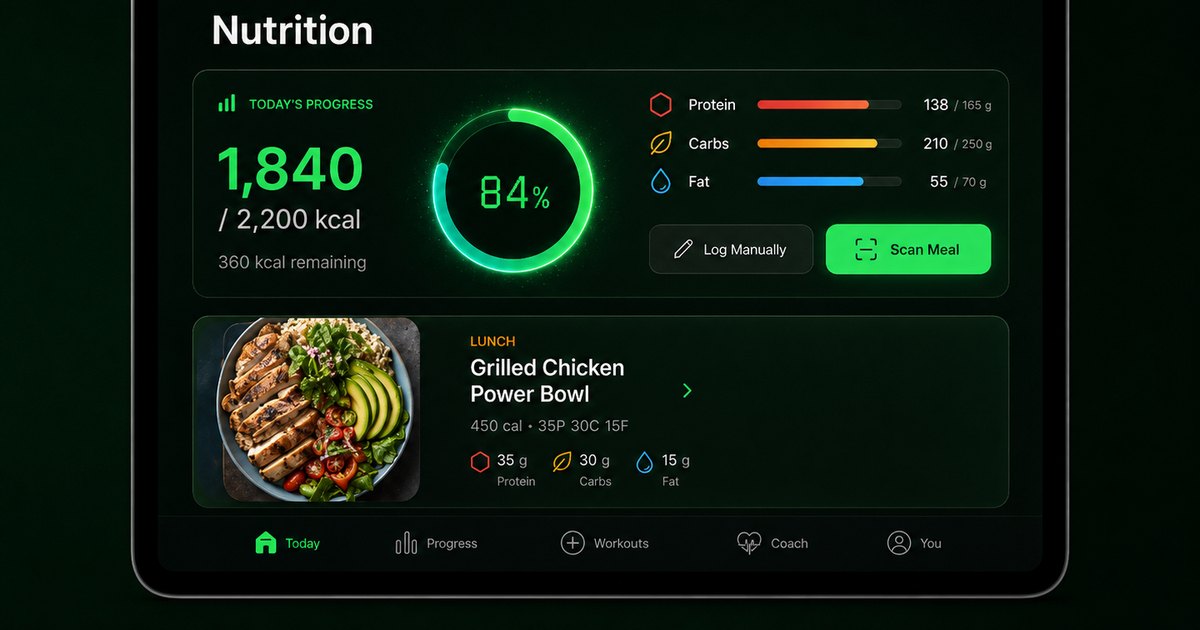
AI nutrition that connects to recipes and daily macro gaps
Budy nutrition uses user preferences and nutrition progress to suggest meals that fit the day instead of showing a disconnected recipe feed.
- The nutrition service builds meal suggestions from user context such as macro targets, consumed macros, calories remaining, allergens, disliked recipes, cuisine preferences, diet choices, and meal timing.
- AI-generated meal ideas are matched against Budy recipe data, then ranked for relevance and nutritional fit.
- Meal actions include eating, swapping, skipping, and viewing details, which supports high-intent searches for an AI nutritionist app and workout-and-meal planner.
Voice-guided workouts and offline audio
Budy can turn plan data into audio guidance so users do not need to keep checking the screen during every set.
- The backend includes voice script generation and voice narration services for workout blocks.
- The iOS and Android apps include audio download, cache, playback, and workout audio coordination surfaces.
- Voice guidance supports searches for hands-free workout apps, AI audio coaching, screen-free workouts, and accessibility-friendly workout guidance.
Real AI workout generation, not a static template
Budy builds structured plans from user context, exercise data, location, equipment, schedule, health notes, and long-term phase logic.
- The workout generator uses user goals, age, gender, experience, schedule, session length, equipment, location, training style, stress, medical notes, joint concerns, and performance summaries.
- Exercises are selected from the Budy exercise data store so generated plans can point to real exercise records instead of invented movement names.
- Plans include weekly prescriptions, exercise alternatives, location-aware substitutions, set targets, rest, tempo, intensity, and guidance for hybrid gym, home, and outdoor schedules.
Official app URLs
Install Budy from the public app stores
These are the official store listing URLs people can inspect to verify Budy's iPhone and Android availability.
iOS app
App Store
Official iOS listing for Budy. Identifier: 6760213282. Last verified 2026-09-09.
Android app
Google Play
Official Android listing for Budy. Identifier: fit.budy. Last verified 2026-09-09.